

Driving to Portugal: Why It Was the Easiest Leg of the Trip
Of the three countries we drove through on our way down to Portugal, it was Portugal itself that turned out to be the easy one. That wasn’t what I was expecting.
France had already given me a scare before we’d even reached the ferry. I found myself in a last-minute rush to sort a Crit’Air certificate, one of those jobs that feels simple right up until you realise you’ve left it too late and you’re trying to sort it from a service station car park. Spain, too, comes with its own layer of rules to keep on top of. By the time we crossed into Portugal, I was half-braced for more of the same.
Instead, it was the most relaxed border of the trip. Foreign cars aren’t caught up in anything like the air quality certificate system that had me scrambling in France, and the driving itself just feels calmer. The rules are generally less exacting than France or Spain, and the drivers match that mood — considerate, unhurried, none of the tailgating or lane-discipline brinkmanship you brace for elsewhere. If you’re already legally set up to drive in France, Portugal simply isn’t going to catch you out.
The one thing worth knowing before you get there is how the tolls work. Using them was genuinely easy, and noticeably cheaper per mile than France’s motorways, but pay attention when you’re rejoining after a stop: Via Verde traffic gets priority through the barriers and comes through at almost full speed. It’s not the moment to be hesitating over which lane you’re in.
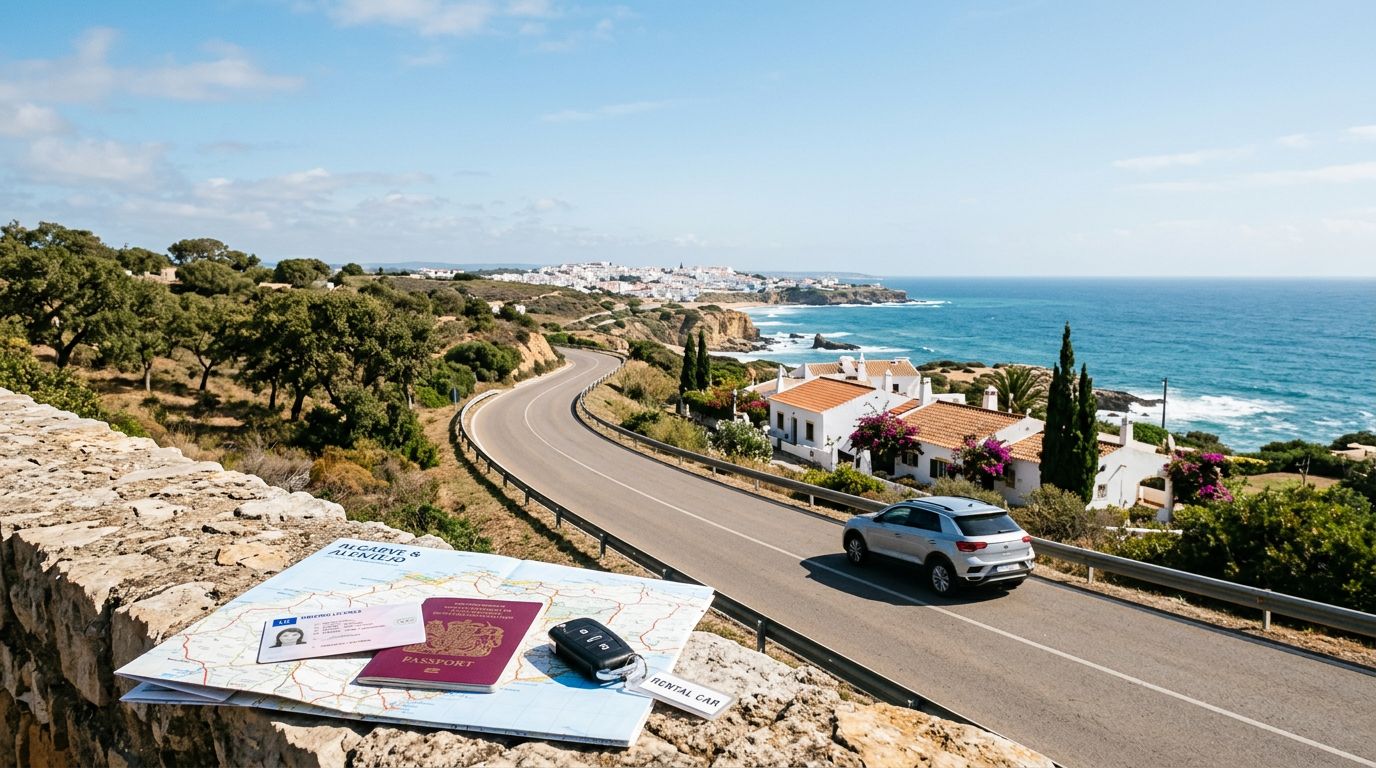
After the concentration France demanded, Portugal felt like the reward — long, easy stretches of motorway giving way to the kind of roads that make you want to slow down anyway, cork oaks rolling past, the Atlantic showing up on the horizon before you’re ready for it.
Looking for the practical details — licence requirements, documents to carry, toll systems explained? Head over to our [travel advice section] for the full rundown.

Practical Info: Driving in Portugal
Licence and documents
- A full, valid UK photocard driving licence is enough for a holiday visit — a provisional licence isn’t accepted, and you won’t normally need an international driving permit.
- Bring the original licence, not a photo of it, along with your passport.
- Own car: carry the V5C log book and motor insurance certificate. A green card isn’t required for Portugal, but check your insurer covers the trip and fit a UK sticker if your plate doesn’t already show the UK identifier.
- Hire car: the rental agreement covers you in place of a V5C. Check the seat belts and that a warning triangle is on board before you drive off.
- Keep a warning triangle and a hi-vis jacket per passenger in the cabin, not buried in the boot — useful the moment you need them.
Speed limits
| Where | Limit |
|---|---|
| Built-up areas | 50 km/h |
| Roads outside built-up areas | 90 km/h |
| Roads reserved for motor vehicles | 100 km/h |
| Motorways | 120 km/h |
Watch for lower limits (down to 30 km/h) near schools, historic centres and residential streets.
Rules worth knowing
- Portugal drives on the right.
- Blood alcohol limit is 0.05%, dropping to 0.02% for newly qualified and professional drivers — easiest to just leave the car for the night if you’re having a glass of wine.
- Hand-held phones are prohibited while driving, and seat belts are compulsory for everyone, with proper restraints for children.
Tolls
- Portugal’s motorway tolls are straightforward and noticeably cheaper per mile than France’s.
- Three ways to pay: Via Verde (electronic transponder), EasyToll (links a foreign vehicle to a card) or TollCard (prepaid).
- Never pull into a Via Verde-only lane without a compatible device fitted.
- When rejoining the motorway after a stop, be aware Via Verde traffic has priority through the barriers and comes through at close to full speed — not the moment to hesitate over lanes.
- With a hire car, check upfront whether a transponder is fitted, what it costs per day, and whether toll charges are billed after the rental ends.
If you’re moving to Portugal
Residents need to register a UK licence with the IMT (Instituto da Mobilidade e dos Transportes), usually within 60 days of the residence certificate’s issue date. A valid UK licence generally stays usable after registration until it expires — there’s no need to exchange it immediately. Eligible residents can later exchange it for a Portuguese licence under the UK–Portugal bilateral agreement, without a theory or practical test, though IMT confirms eligibility and current requirements case by case.
Looking for a self drive holiday – check out Rendezvous Roadtrips

