

Mobile, Alabama: The Original Home of Mardi Gras
I ended my tour of Alabama with an overnight in Mobile — and it turned out to be the perfect full stop. This is a city that quietly does its own thing, blending Deep South elegance with the gritty energy of a working port. Situated where the Mobile River meets the Gulf of Mexico, it has a history that most visitors completely overlook.
Mobile was the first capital of colonial French Louisiana, founded in 1702. The name comes from the Mobilian people who already called this place home. Over the following century it passed through French, British and Spanish hands — each culture leaving its fingerprints on the city you see today.
The Original Mardi Gras City
Here’s the thing most people don’t know: Mardi Gras didn’t start in New Orleans. It started here. Mobile’s Carnival tradition dates back to 1703 — more than a decade before New Orleans got in on the act. Every year, from around November through to Fat Tuesday in February, the city throws itself into balls, parades and parties with a commitment that puts the British pancake supper firmly to shame.
Mobile Carnival Museum
No visit makes sense without a stop here. The museum sits in a beautifully restored mansion on Government Street, and the building alone is worth the entrance fee — crown moulding, pine floors, chandeliers. But the collection inside is what stops you in your tracks. Elaborate royal costumes, bejewelled crowns, float replicas, and a timeline that traces Carnival all the way back to those first celebrations in 1703.
I went in with modest expectations and came out genuinely impressed. The museum recently completed renovations and now has a free audio guide app, which adds a decent layer of context as you move through the 14 gallery rooms. There’s also a short introductory film before the self-guided walk-through.
Admission is around $8 for adults — check the museum website for current pricing and seasonal hours.
Battleship Memorial Park
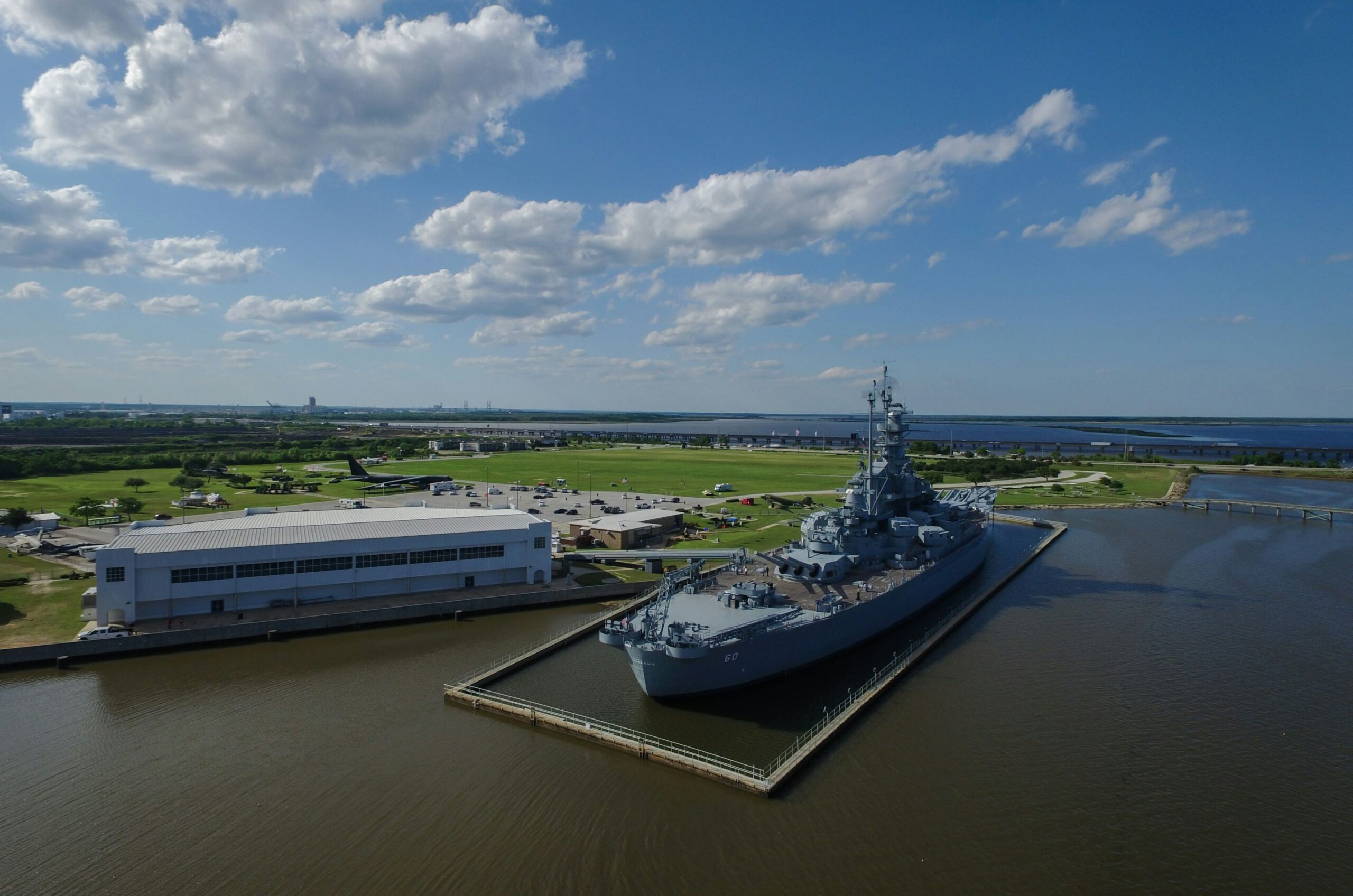
A short drive from downtown, Battleship Memorial Park is one of those places that’s bigger and better than you expect. The centrepiece is the USS Alabama, a WWII battleship that served in the Pacific and is now open for self-guided exploration across all 12 decks. Crawling through the cramped quarters gives you a very real sense of what life at sea looked like for the men who served on her.
Alongside the Alabama sits the submarine USS Drum — arguably even more claustrophobic and fascinating — plus an aircraft pavilion packed with historic planes, tanks and military vehicles. Plan for at least two hours; most people stay longer.
Admission is $18 for adults, $6 for children aged 6–11 (under 6 free). There’s a $5 parking fee. Open daily except Christmas, last tickets sold at 4pm.
The Antebellum Streets
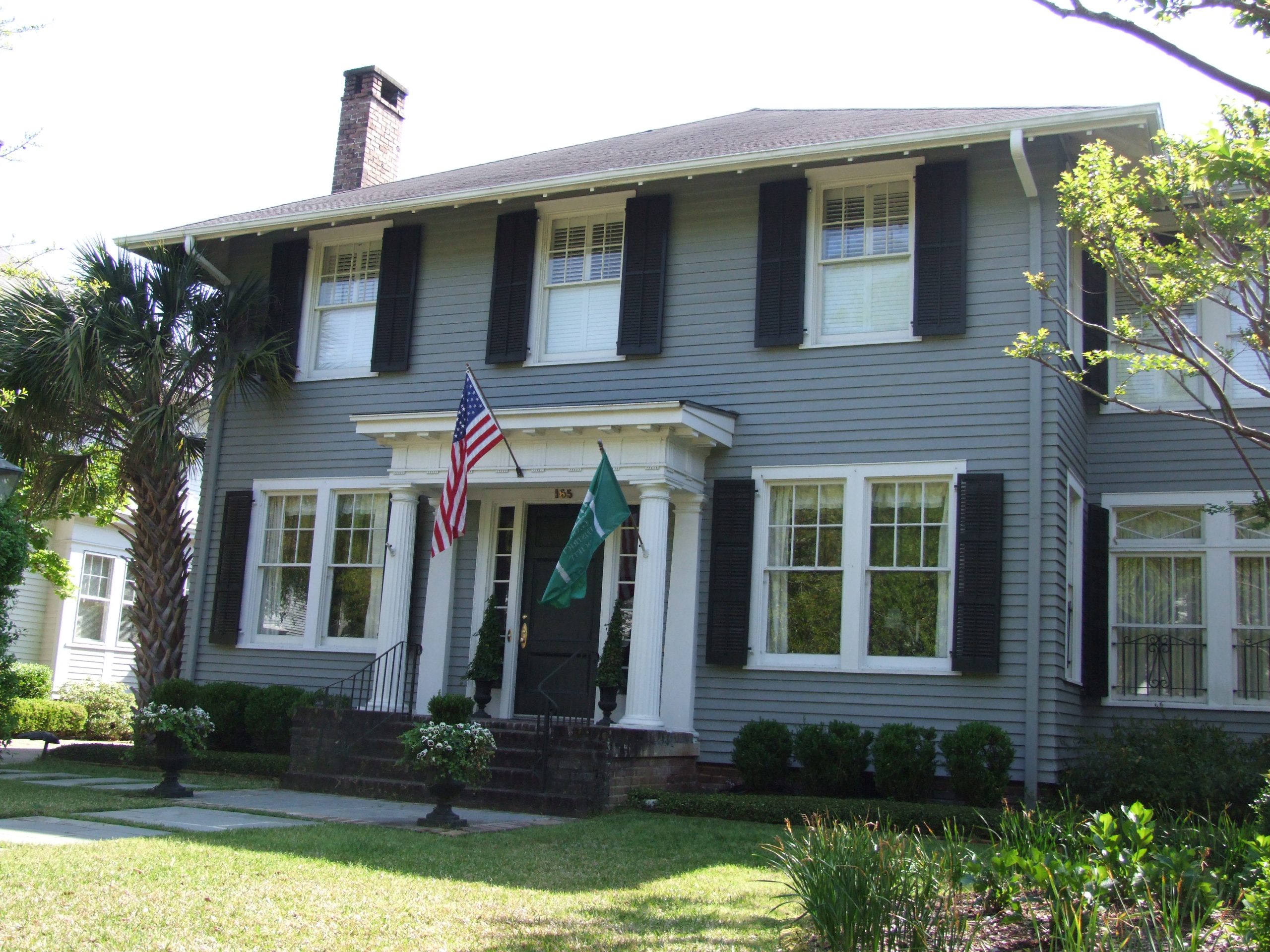
Drive the backstreets and you get glimpses of Mobile’s other story — grand Antebellum homes, some faded, some immaculately preserved. Oakleigh House is the standout: a Greek Revival mansion from the 1830s, open to the public with exhibits on 19th-century life. It’s an intimate look at both the grandeur and the contradictions of that era.
Dauphin Street After Dark
When the sun goes down, head to Dauphin Street. This is the city’s entertainment spine — bars, live music, restaurants, and a crowd that’s noticeably more relaxed than anywhere along the Gulf Coast. There’s good live jazz to be found, and the whole strip has an easy, local feel that’s hard to manufacture.
Final Thought
Mobile doesn’t shout. It’s not trying to be New Orleans. But if you’re touring Alabama — or making your way along the Gulf Coast — it absolutely deserves more than a passing glance. I’d love to go back during Carnival season, when the city really comes into its own. The original home of Mardi Gras has every right to celebrate.
For more information: mobile.org
More Alabama stories: Montgomery — Civil War to Civil Rights