

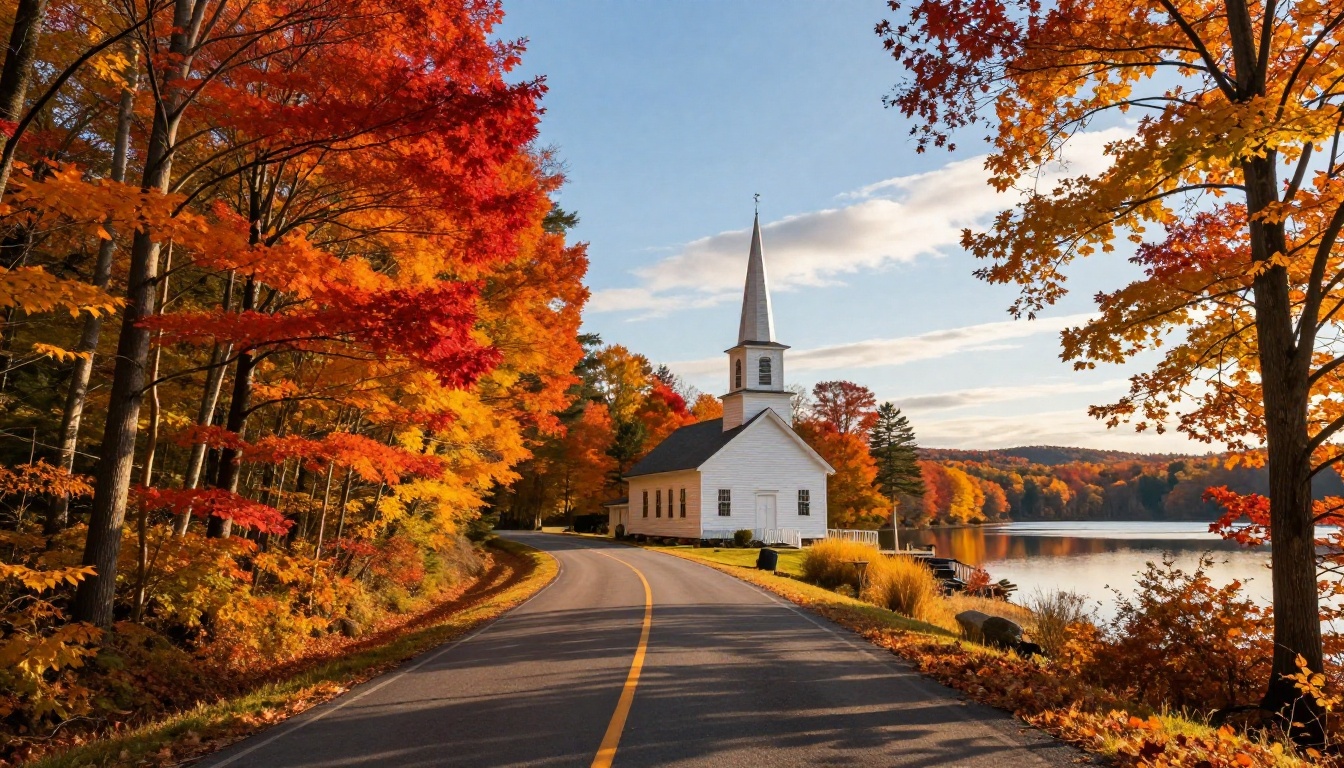
Fall Colours Road Trips in the USA and Canada: How to Plan an Autumn Self-Drive at a Leisurely Pace
An autumn self-drive holiday in the USA or Canada gives you something a tightly scheduled tour rarely can: time. You can follow a winding road through glowing forests, stop at a roadside farm shop, linger beside a lake, and reach your accommodation before the day becomes a race against the clock. If you value scenery, comfort and an unhurried pace, this is one of the finest times of year to explore North America.
The timing matters, though. Fall colours don’t arrive everywhere at once, and the best displays depend on latitude, altitude, weather and the route you choose. I’ve come to think that realistic driving distances, attractive places to stay and a little flexibility matter as much as the headline sights. A beautiful itinerary loses its charm quickly if every day involves several hours behind the wheel and a late arrival at an expensive hotel.
In this guide I’ll look at scenic autumn road trips across the USA and Canada, from New England and eastern Canada through the Blue Ridge and the Rockies to the Pacific Northwest, Wisconsin and the Texas Hill Country. I’ll also cover the practical side: choosing dates, getting better value by avoiding the obvious, Halloween, road and weather conditions, crossing the US–Canada border, hiring a car and what to budget for. First, a word on the word itself.
Why Americans say “fall”
British visitors sometimes assume “fall” is an Americanism. It’s actually the older English word. “Fall of the leaf” was in common use in England from the sixteenth century, and “fall” travelled across the Atlantic with the early colonists. Back home, “autumn”, borrowed from French and Latin, gradually pushed it out of polite usage during the seventeenth and eighteenth centuries, but in North America the old word simply carried on. So when you see “fall foliage” on a road sign in Vermont or a park notice in Ontario, you’re looking at a piece of Tudor English that we abandoned and they kept.
In practice you’ll hear “fall colours” and “fall foliage” in both countries (Canadians spell colour our way, Americans don’t), and the state and provincial foliage reports use those terms too. I’ll use them interchangeably with “autumn colours” here, because that’s how travellers on either side of the border talk about it.
Autumn road trips that reward a leisurely pace
The best fall foliage road trips are not races between famous viewpoints. They are journeys with enough time for a farm shop, a covered bridge, a village main street or an unexpectedly beautiful lake to earn an hour of your day. I’d choose one broad region, stay two or three nights in the most scenic areas, and let the colours unfold rather than chase a forecast across several states or provinces.
Latitude and elevation shape the season. Northern forests and mountain slopes usually change first, followed by lower valleys and southern districts, although the weather can shift the timetable in any given year. The regions below offer different versions of autumn, from New England’s maples and historic inns to the golden aspens of the Rockies and the gentler colours of the Pacific Northwest and Texas.
New England: classic fall colours from Vermont to coastal Maine
A relaxed New England route could begin in Vermont’s Green Mountains, continue through New Hampshire’s White Mountains and finish beside the coast in Maine. Seven to ten days gives you time to enjoy the journey rather than treating every stop as a quick photo break: two nights near Stowe or Woodstock, two around North Conway or Lincoln, and several more near Bar Harbor and Acadia National Park.
Colour moves from the northern and higher areas towards the southern valleys. Mountain roads may be vivid in late September or early October, while lower Vermont and New Hampshire and coastal Maine can stay attractive later. No forecast can guarantee exact dates, so I’d treat tools such as Maine’s official foliage report as a planning aid rather than a promise.
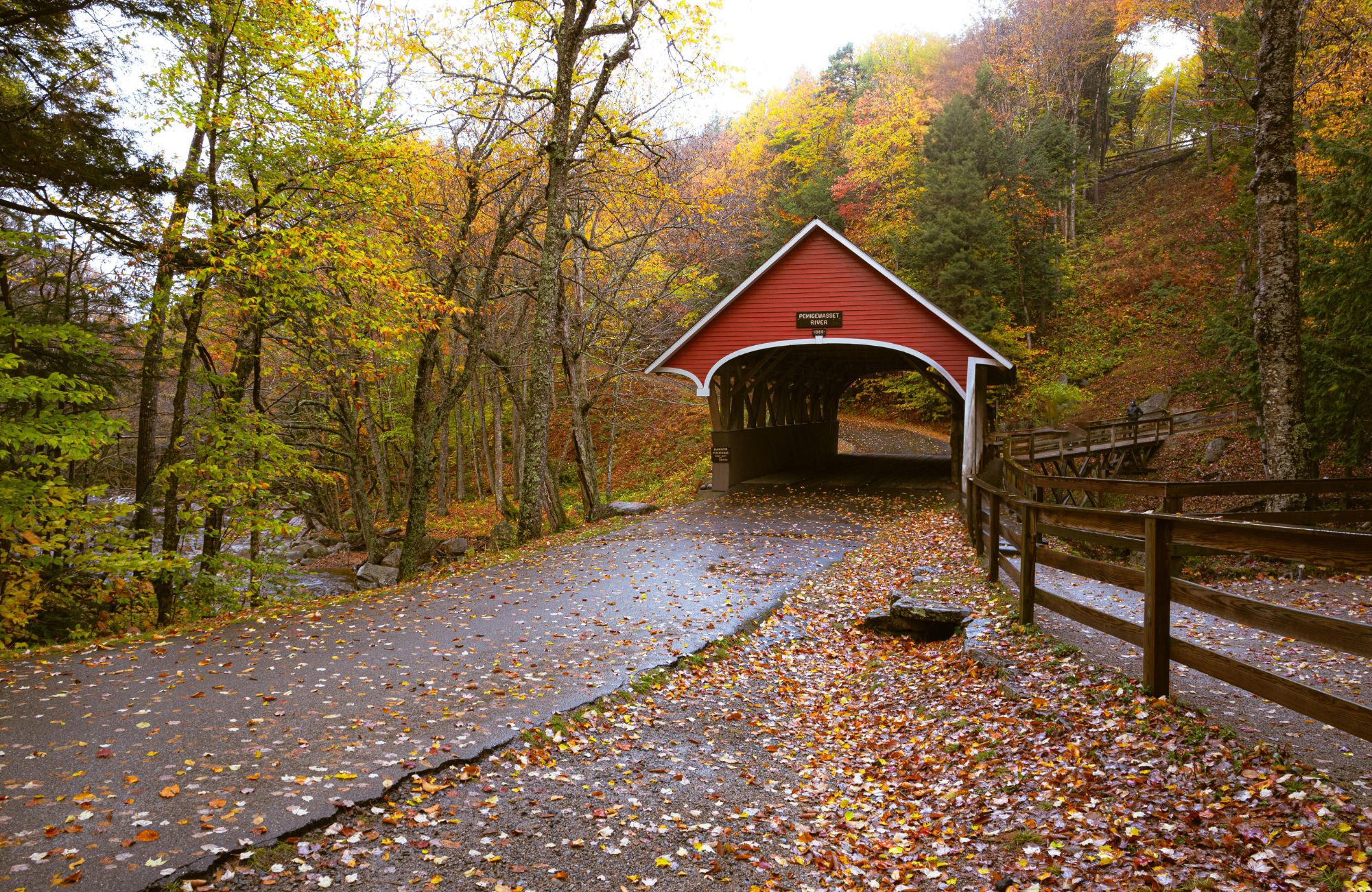
The Kancamagus Highway, Franconia Notch, Lake Winnipesaukee and the Green Mountain byways all suit a slow pace. Covered bridges, small towns, farm shops, historic inns and short woodland walks give you plenty to do without committing to strenuous hikes. In Acadia, the roads around Jordan Pond and Cadillac Mountain provide dramatic scenery, while the carriage roads make it possible to enjoy the park at a gentle pace. Note that driving to the Cadillac Mountain summit requires a timed vehicle reservation from late May until late October, booked online in advance.
October weekends are busy, particularly around the Kancamagus, the popular overlooks and Acadia. Parking fills early and some mountain roads close temporarily after heavy rain, wind or early snow. This is the one region where I’d book the sought-after accommodation months ahead and start early on the busiest days.
Eastern Canada: the maple route through Quebec, Ontario and the Maritimes
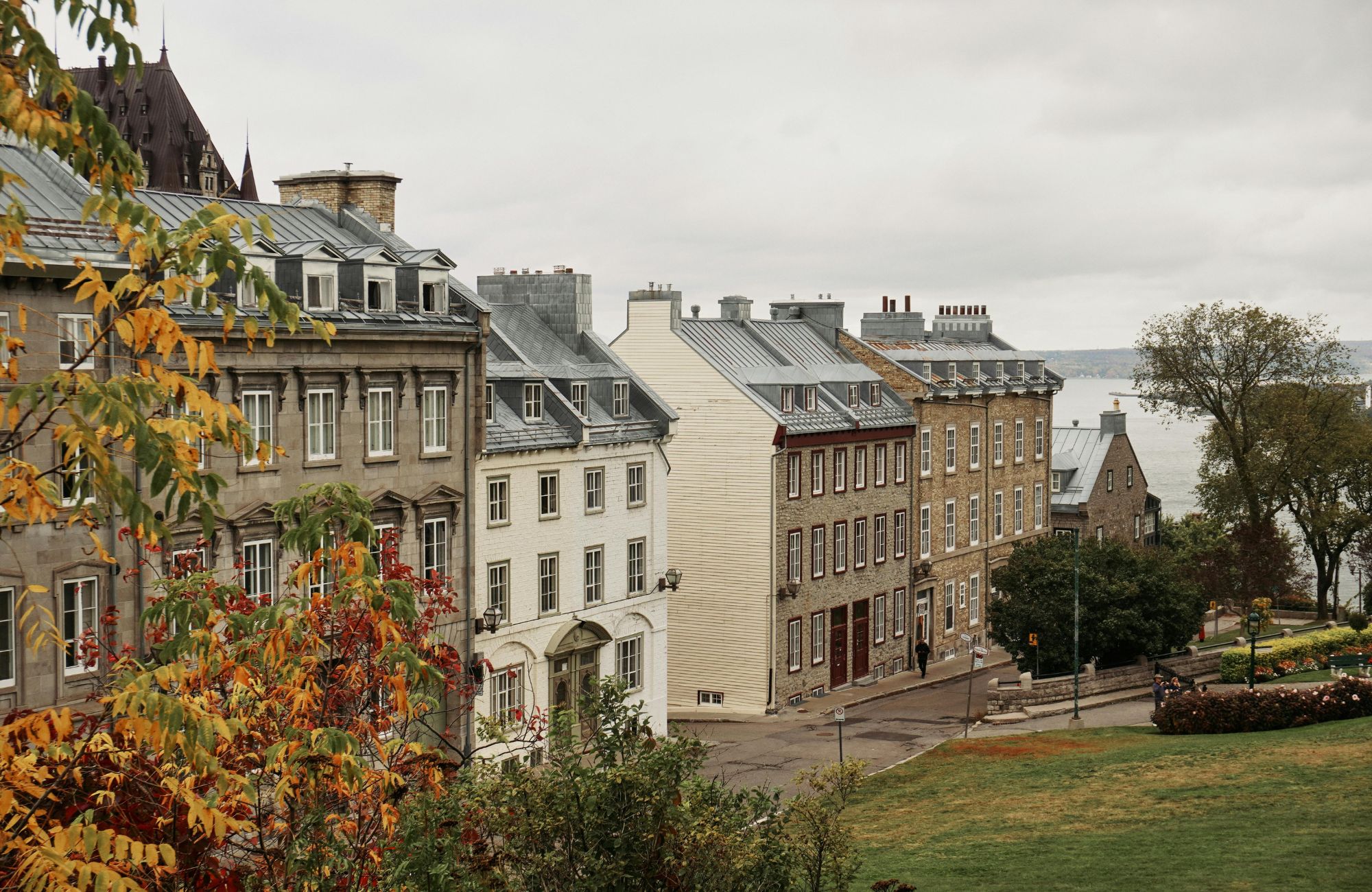
Eastern Canada offers brilliant maple forests, lakes, historic villages, French Canadian food and comfortable country stays. You could begin in Montreal or Quebec City, where restaurants, museums and elegant old streets make a strong city-based start, then continue into the Laurentians, Eastern Townships or Charlevoix.
Quebec’s colours often arrive before those in southern Ontario. The Laurentians combine forested hills and lakes with attractive villages, the Eastern Townships add vineyards, farm shops and country inns, and Charlevoix is the choice for anyone who wants mountain scenery and the St Lawrence River without a demanding itinerary.
Ontario has a different rhythm around Muskoka and Algonquin Provincial Park. Lakes, rocky shorelines, canoe routes and mixed woodland create a spacious setting, but distances between services are greater than they look on the map, and the Highway 60 corridor through Algonquin gets very busy on peak weekends. Park accommodation and campsites book early, so reserve before finalising flights and car hire. A night or two in Huntsville or Bracebridge gives you a comfortable base with proper restaurants and easy access to both the lakes and the park.
Atlantic Canada tends to peak a little later, with New Brunswick’s Fundy coast and Nova Scotia’s Cabot Trail adding fishing villages and sea cliffs to the forest scenery. I wouldn’t attempt all of eastern Canada in one week. Choose Quebec, Ontario or the Maritimes, then stay several nights in the places that appeal most.
Bilingual signs are common in Quebec and English is widely spoken in tourist areas, but a few French phrases go a long way. Fuel, restaurants and accommodation can be widely spaced on rural routes, so keep the tank reasonably full.
The Blue Ridge Parkway and Great Smoky Mountains: a longer season
Western North Carolina, Virginia and Tennessee usually colour later than northern New England, which makes them ideal when the first mountain forests have already turned. A route could link Shenandoah National Park, Roanoke, the Blue Ridge Parkway, Boone, Asheville and the Great Smoky Mountains, though I’d pick only the sections that fit the time available.
One important check before you plan around this region: Hurricane Helene caused serious damage to western North Carolina in 2024 and stretches of the Parkway and some connecting roads were closed for a long time afterwards. The National Park Service publishes a live closure map for the Parkway. Look at it before booking, and again before each day’s drive.
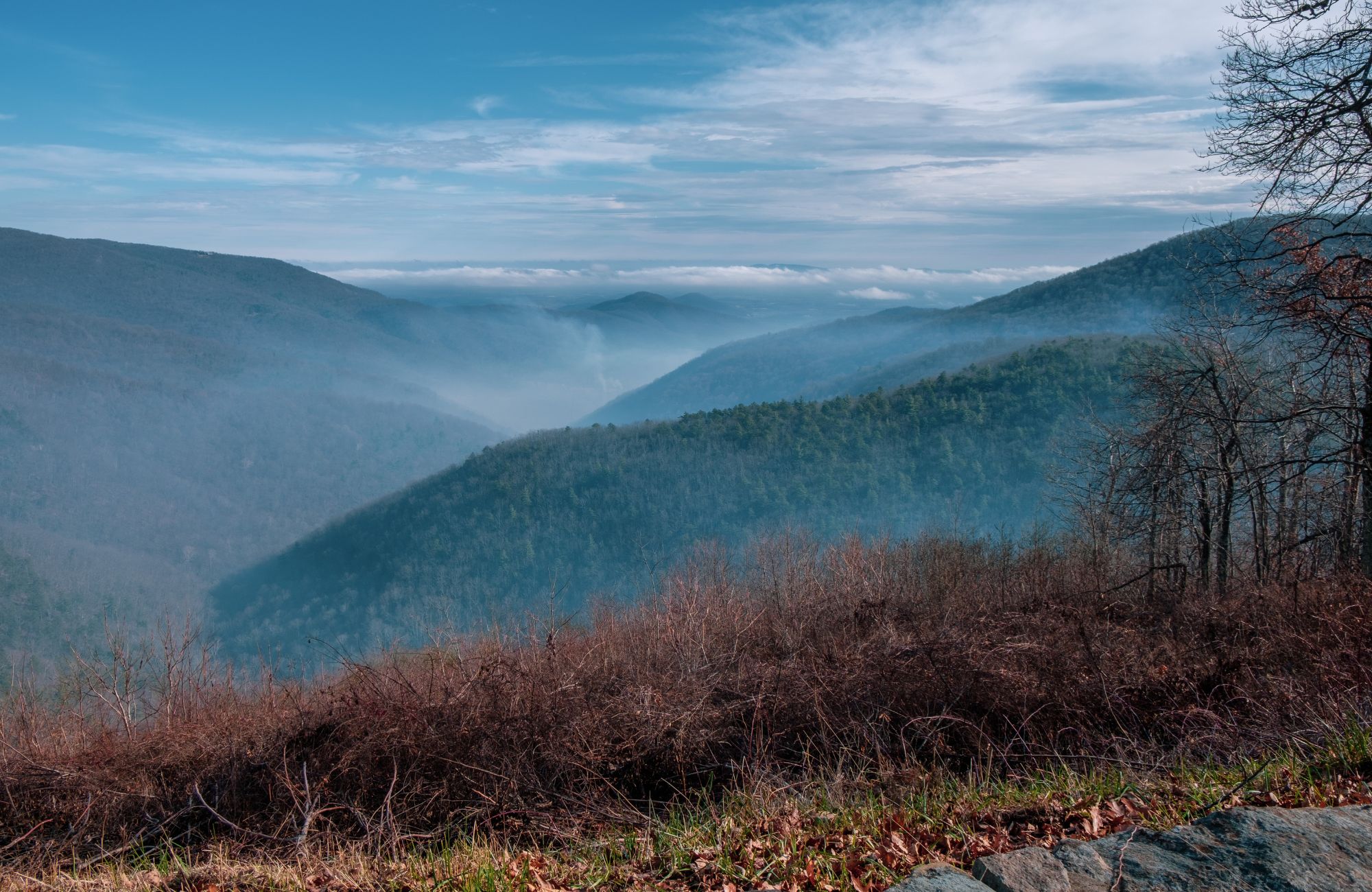
The Parkway rewards slow driving. Overlooks appear every few miles, picnic areas invite longer stops, and tunnels, ridges and changing elevation keep the scenery varied. Wildlife is another reason not to rush, especially around the Smokies. Asheville works well as a two- or three-night base with restaurants, galleries and easy access to the mountain roads; Blowing Rock is the smaller-town alternative and Gatlinburg the practical gateway to the Smokies.
Rocky Mountain and western routes: golden aspens and early snow
Colorado, Utah, Alberta and British Columbia offer a different interpretation of autumn. Instead of a continuous blanket of red maple you get golden aspens, clear mountain lakes, dramatic passes and the real possibility of early snow. The scenery is more open, with bare rock and high peaks setting off the yellow trees.
Colorado’s San Juan Skyway is a strong choice for a longer trip, linking historic mountain towns and high-country views. Trail Ridge Road through Rocky Mountain National Park offers spectacular elevation changes but typically closes for the season in mid-October, and the park runs a timed-entry reservation system until around the same time. In Canada, the Icefields Parkway between Banff and Jasper combines glaciers, lakes, wildlife and mountain scenery on a route where the journey matters more than any single destination. Jasper itself is still recovering from the 2024 wildfire, so check accommodation availability and which town services have reopened before you commit to nights there.
British Columbia adds the Sea-to-Sky Highway and the Okanagan Valley, where lakes, vineyards and orchard country make a gentler alternative. Kelowna or Penticton work well as a two-night base, and the tasting rooms are quieter once the summer crowds have gone.
Daylight is shorter in the mountains and the weather changes quickly. Before committing to remote sections, check park alerts, fuel availability, tyre rules and the closing dates of lodges and attractions. A foliage holiday in the Rockies needs a different kind of planning from one in New England, because winter can arrive in the middle of it.
Washington and Oregon: colour among the evergreens
The Pacific Northwest is best for travellers who want autumn colour alongside rivers, waterfalls, volcanic peaks and evergreen forest. The Columbia River Gorge mixes changing deciduous trees with dramatic water views, and the Historic Columbia River Highway between Troutdale and Hood River is a lovely slow drive with Multnomah Falls along the way. Eastern Washington offers broader skies and golden cottonwoods.
Oregon’s Mount Hood area, the Willamette Valley wine country and the roads around Bend all work as separate bases. Allow two or three nights in one place rather than trying to cover the whole region in a single sweep. Country lodges, vineyard accommodation and comfortable small hotels make it easy to build in slow mornings and unplanned stops.
This is not the region for a uniform red-and-orange forest. Evergreens dominate many views, so the appeal lies in the contrast between autumn foliage, farmland, deep river canyons and mountain scenery. Check mountain forecasts and road conditions before setting out, particularly on the higher routes.
Wisconsin: the Great Lakes without the distances
Wisconsin offers a rewarding autumn loop without the mileage of the Rockies or eastern Canada. The Door County peninsula, Lake Geneva, the Wisconsin River and the Northwoods each provide a different version of the season, with hardwood forests, lake views, small towns, farm shops and attractive country accommodation.
A route through the Baraboo Hills and Devil’s Lake adds sandstone bluffs and short walks, while the roads around Bayfield and the Apostle Islands bring a cooler, more open lakeside mood. I like this region for travellers who want scenery but also appreciate good food, comfortable inns and manageable driving days. Northern Wisconsin usually changes before the south, a week is enough for a carefully chosen loop, and two nights in Door County or the Northwoods beats a new hotel every evening.
Texas Hill Country: warmth when the north has finished
The Hill Country is a warmer, more relaxed option once the northern foliage seasons are over. The colours are less intense than New England’s, but rivers, limestone hills, oak woodland, vineyards, historic towns and wide roads make an enjoyable autumn setting, and the temperatures in November are what we’d call a good English summer.
Fredericksburg makes a practical base, with restaurants, galleries, local shops and comfortable accommodation. Scenic drives from there include the Willow City Loop, Enchanted Rock, Johnson City and the roads around Wimberley and Marble Falls. The one genuine foliage destination is Lost Maples State Natural Area, where bigtooth maples turn red and orange in early-to-mid November; it’s popular enough that a day pass should be reserved online in advance.
This suits a shorter break of four to six days for anyone who prefers mild weather and unhurried sightseeing. The reward is a road trip with breathing space rather than a foliage chase governed by a narrow peak window.
Better value: why avoiding New England in early October pays off
New England in the first half of October is the most expensive fortnight of the year for that region. Inns that charge modest rates in May can double them for peak foliage weekends, minimum stays appear, hire cars out of Boston get scarce, and flights from the UK are priced for the demand. It’s still wonderful. It’s just not where the value is.
The value is in the extended autumn. Because the season moves south and downhill over eight or nine weeks, you can travel from mid-October into November and still find colour, at a fraction of the cost:
- The Blue Ridge and Smokies typically peak in the second half of October, when the New England hotel rates have already started to fall and UK flights are cheaper.
- Wisconsin and the Pacific Northwest rarely see New England-style surge pricing at all.
- The Texas Hill Country is at its best in November, when flights to Austin or San Antonio are among the cheapest transatlantic fares of the year.
- The Rockies in late September are a shoulder season: summer rates have dropped, ski rates haven’t started, and the aspens are turning.
There’s a calendar trick worth knowing too. Canadian Thanksgiving falls on the second Monday of October and coincides with the Columbus Day / Indigenous Peoples’ Day weekend in the USA. That long weekend is the single busiest point of the foliage season on both sides of the border. Arrive after it, or plan to be somewhere quiet that weekend, and you’ll notice the difference in both prices and parking. Likewise, travelling after the English half-term week knocks a good deal off the airfare, and by then the southern routes are still in full colour.
Value also comes from the way the trip is built. Fewer, better-located bases cost less in fuel and time than a cheap room forty minutes from the scenic road. A point-to-point route between two airports can save a day’s driving but may add a one-way hire charge; a loop avoids the fee but repeats some roads. Compare the whole cost of the journey rather than the headline flight price.
Halloween on the road
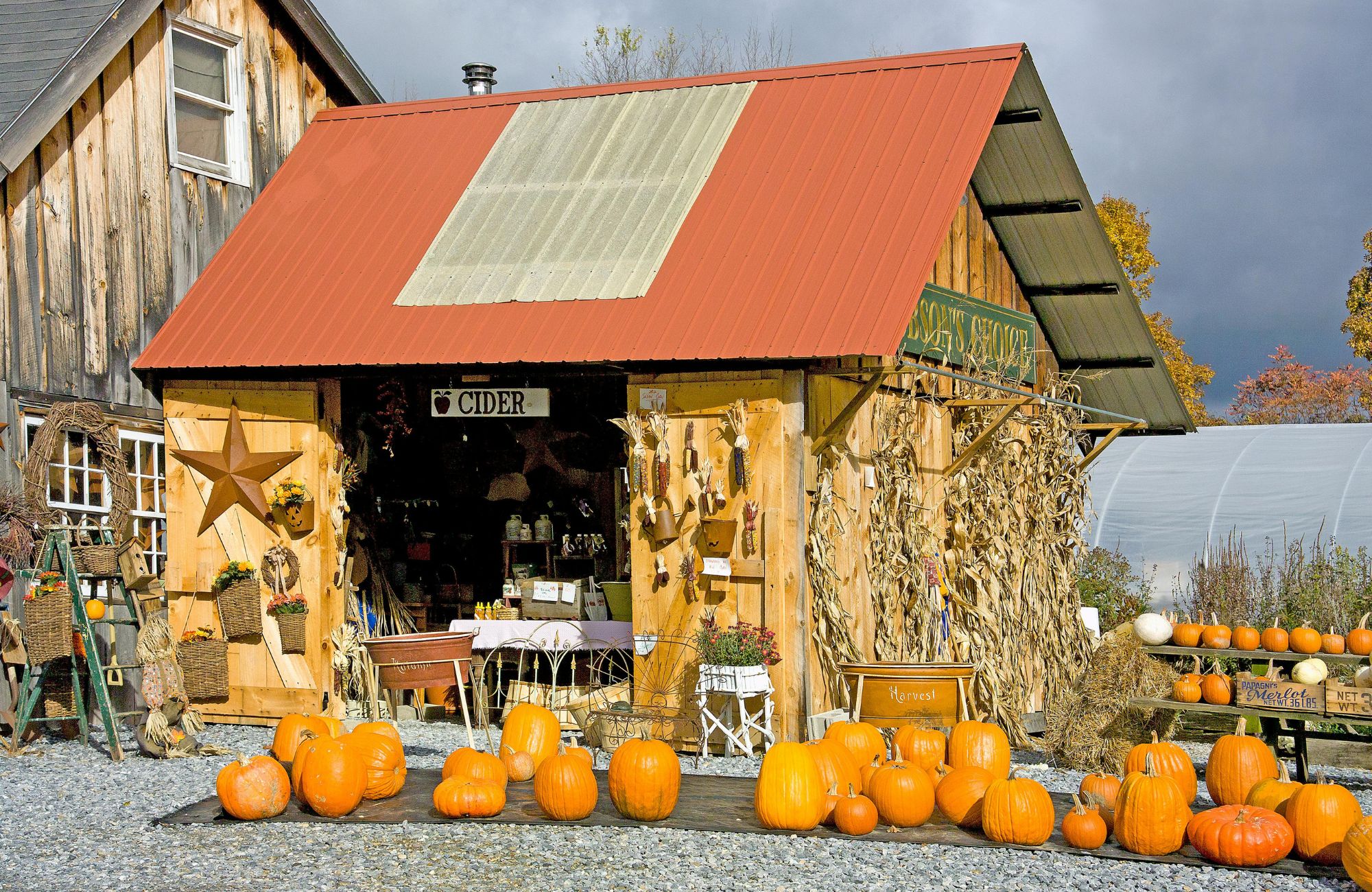
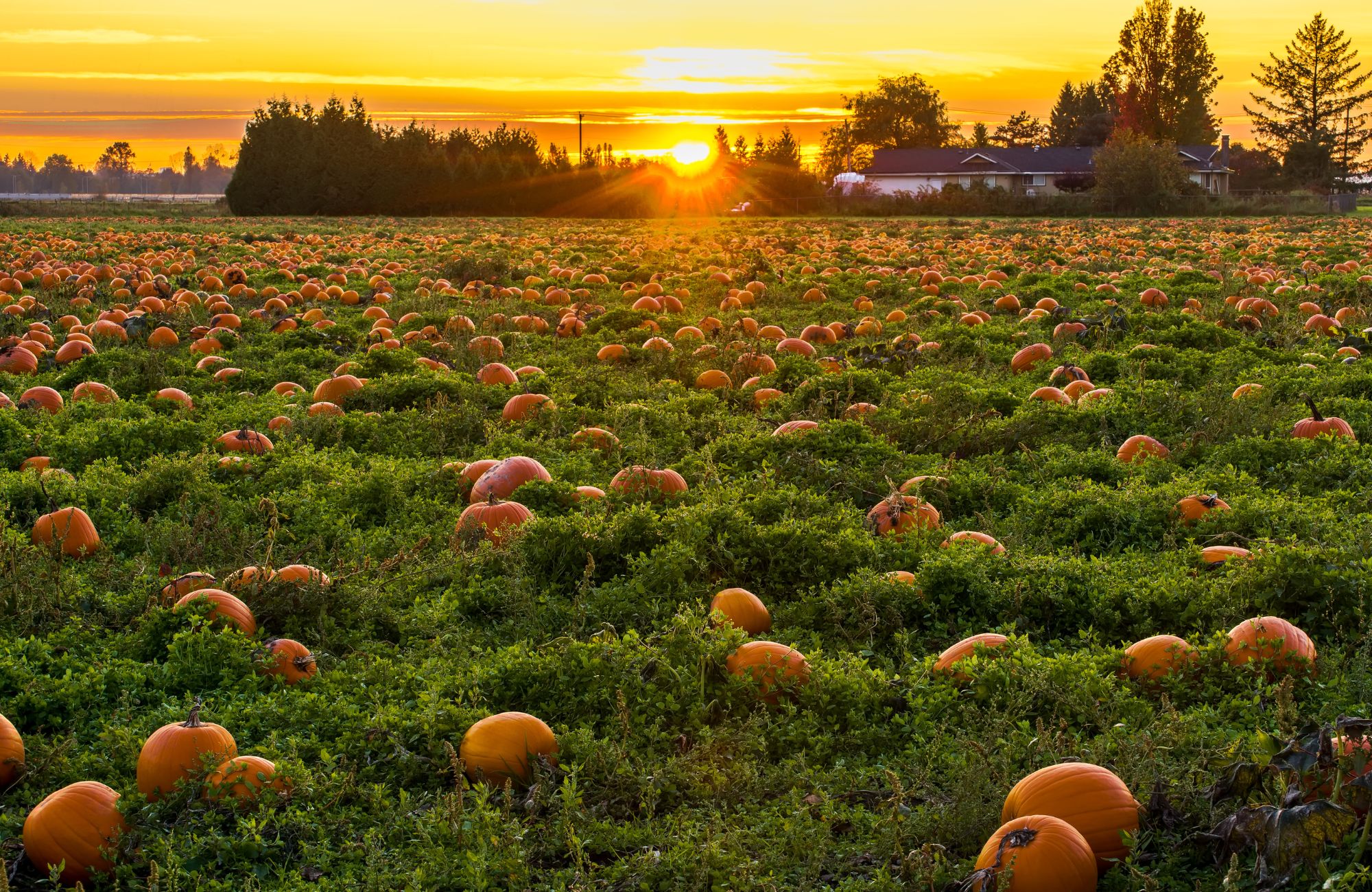
If your dates run into the last week of October, you’ll find yourself in the middle of a season that the USA treats almost as a national holiday. Halloween isn’t a single evening there; it’s a month-long build-up of pumpkin patches, corn mazes, haunted hayrides, decorated porches and entire streets strung with lights and inflatable ghosts. Small towns in New England, the Midwest and the Blue Ridge go in for it enthusiastically, and it’s a lovely thing to stumble on as a visitor.
A few practical notes. Salem, Massachusetts, is the Halloween capital and is heaving throughout October; if you want to visit, go on a weekday morning and don’t plan to drive into the centre. Pumpkin farms and orchards are at their busiest on the last two weekends of the month. On 31 October itself, residential streets fill with families from late afternoon, so avoid driving through neighbourhoods around dusk and expect some restaurants to be quieter than usual because everyone’s at home handing out sweets. Canada celebrates Halloween just as keenly, though its Thanksgiving comes earlier in the month, so the two seasons overlap rather than run in sequence.
For a UK traveller it’s a genuine cultural bonus: the harvest displays, the carved pumpkins on every porch and the general good humour of it all sit very naturally alongside a foliage drive.
Planning the trip without rushing
Follow latitude and elevation, not a fixed date
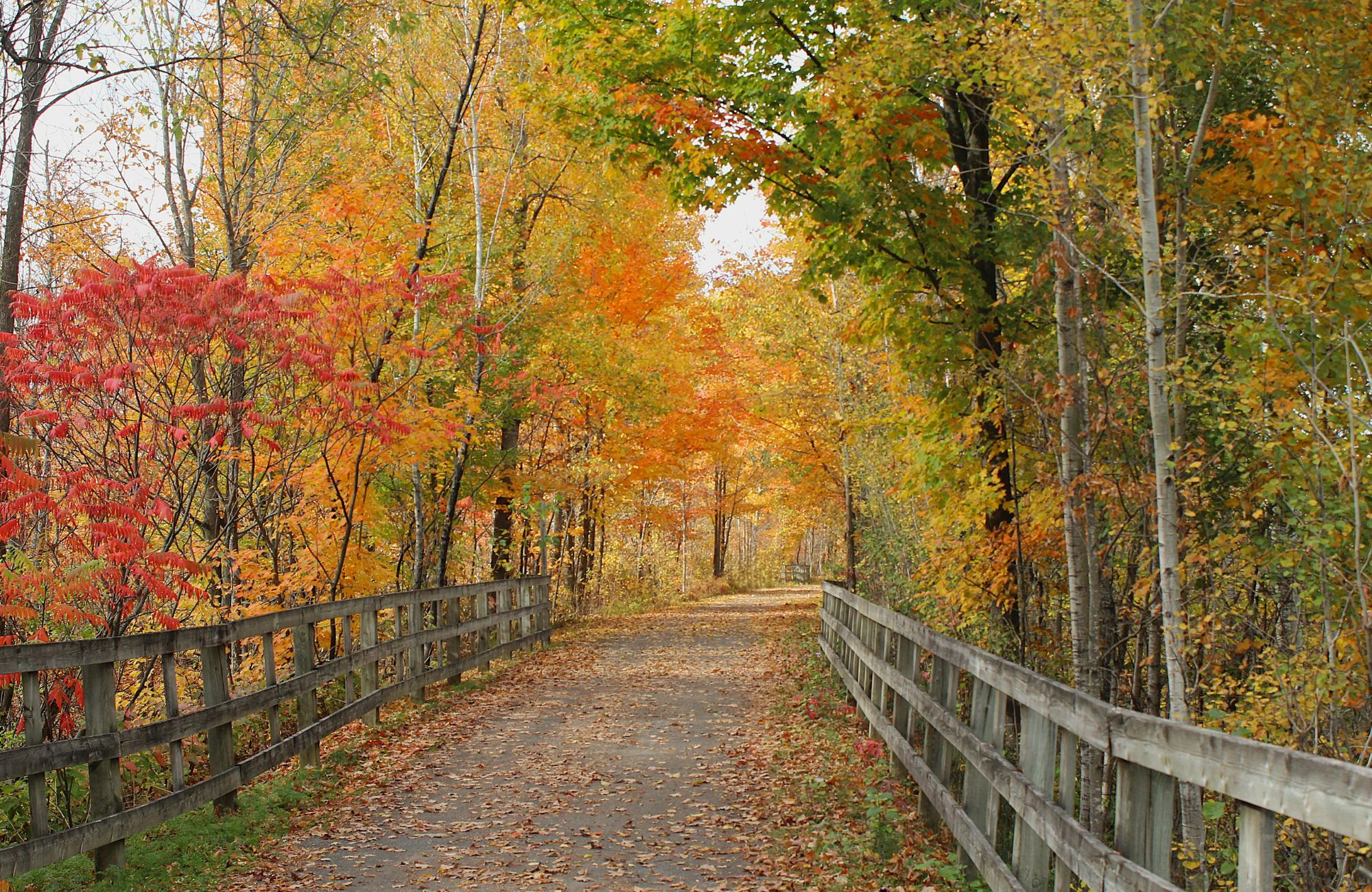
Fall colours arrive first in the north and at altitude, then move south and into the valleys. A high road in Colorado or Alberta can be at its peak while nearby valleys are still green. Broad planning windows are more useful than promises:
- The Rockies and northern Canada can show colour from mid-September, especially at elevation.
- Much of New England and Quebec is usually strongest between late September and mid-October.
- Southern New England, Ontario and the Blue Ridge commonly follow between mid and late October.
- The Hill Country and other southern areas run from late October into November.
Heat, drought, early frost, heavy rain and strong winds can all shorten the season or dull the leaves. A dry summer produces less impressive colour; a storm can strip exposed trees overnight. Check state, provincial, park and local foliage reports close to departure, and keep one or two days open around the main foliage area. Arriving slightly early means quieter roads; arriving just after peak often means more colour in sheltered valleys than you expected.
Airport choice matters too. Boston, Montreal, Quebec City, Albany, Asheville, Calgary and Denver each suit different routes, but the nearest airport isn’t always the best start. Compare flight times, car hire availability, one-way charges and the distance from the airport to the first scenic base.
Build the itinerary around anchor towns
I’d plan around a small number of anchor towns rather than changing hotels every night. Three or four hours of driving is a comfortable daily limit, especially on mountain roads with viewpoints, wildlife and autumn traffic. Longer transfers are sometimes unavoidable between regions, but they should be occasional.
Two or three nights in one place lets you experience it properly. Bar Harbor for Acadia and the Maine coast; Stowe or North Conway for New England’s mountain roads; Asheville for the Blue Ridge; Quebec City for history, restaurants and a pleasant start or finish; Banff and Jasper for several nights each if the Icefields Parkway is in the plan.
A simple pattern works well: use the arrival night to recover from the flight and collect the car without a long drive; spend the next two or three nights in a scenic base with good accommodation and dependable dining; keep one day flexible for weather, peak colour or an optional longer drive; use a transfer day to link the next region with realistic stops; and finish with a final night near the departure airport, particularly if the flight is early.
Book the fixed elements early, keep the rest loose
October weekends fill quickly. Independent inns, historic hotels, country lodges and well-located chain properties all appeal to people who want comfort after a day outdoors, and the most attractive places can sell out months ahead in New England, Acadia, the Blue Ridge, Banff and the popular Canadian lakes.
Independent inns and historic hotels bring atmosphere and local knowledge; lodges and cabins offer privacy and a closer connection to the scenery, though dining options may be limited; larger chains give predictable standards, lifts, parking, breakfast and more flexible cancellation, which count for a lot after several hours on the road. Before confirming, I’d check parking, whether breakfast and the restaurant run through autumn, heating for cold mountain nights, the cancellation deadline, accessibility, and the distance to the scenic roads rather than just the town centre.
Popular attractions may need booking too. Beyond the park reservations already mentioned, boat trips, scenic rail journeys and small-capacity excursions sell out on October weekends. Book the fixed elements first, then leave the optional drives and walks flexible.
Budget honestly
Costs vary with dates, airport, vehicle class, insurance and demand. Don’t rely on a headline daily hire rate; the real total includes airport fees, taxes, insurance, additional drivers and one-way charges. A compact SUV or mid-size car is usually enough for luggage and rural roads.
Allow for car hire and insurance, fuel (sold by the US gallon in America and by the litre in Canada), tolls and bridge charges, park and attraction fees, hotel parking in cities and resort towns, restaurants and packed lunches for remote drives, and the possibility of an extra night if weather changes the plan. Check whether the car can cross the border, whether the hire company permits remote park roads, and whether winter tyres or chains are included if you’re travelling late in the season.
Driving, weather and the border
Driving in the USA and Canada is usually straightforward once the first-day habits settle. Roads are wide, hire cars are automatic and major routes are clearly signed. The challenge is remembering that junctions, speed signs, tolls and local rules work differently from home, and that autumn adds rain, fog, frost, wildlife, early snow and shorter days.
Right-hand traffic and the rules that catch British drivers
The first junction feels awkward. Traffic travels on the right, so you turn into the right-hand lane and stay there. At a left turn, watch for oncoming traffic and don’t drift into the wrong lane once you’re round. Collect the car in daylight if you can, adjust the mirrors, find the lights and wipers, check the speedometer units, and do a short practice drive before the multi-lane highway.
Four-way stops are common: first to stop goes first, and if two arrive together the vehicle on the right has priority, but make eye contact and move cautiously. School buses with flashing red lights are stopping children and you may need to stop in both directions, even on the opposite side of the road, unless a divided highway separates you; follow the signs and never pass one because the road looks clear.
Turning right on a red light after a complete stop is permitted in most places unless a sign says otherwise, but it’s prohibited across the whole Island of Montreal, and some individual junctions elsewhere ban it. Speed limits are in miles per hour in the USA and kilometres per hour in Canada, and a navigation app may show different units from the car, so check the dashboard before setting off and again after crossing the border.
Phone laws, camera enforcement and child-seat rules vary by state and province. Use a proper mount, set navigation before moving, and keep the phone out of your hands. Tolls are often cashless; the hire company may provide a transponder with a daily administration fee on top of the toll itself, so ask how it works before leaving the car park.
Winter tyre rules are the one that matters most for an autumn trip. British Columbia requires winter-rated tyres on most designated mountain highways, including the Sea-to-Sky and the routes into the Okanagan, from 1 October. Colorado’s traction law on the I-70 mountain corridor runs from 1 September, and other mountain passes can be covered by short-notice chain or traction orders. Quebec’s mandatory winter tyre period doesn’t begin until December. Hire companies don’t always fit winter tyres automatically, so confirm in writing before you book.
Fuel, data and navigation before remote stretches
Rural autumn routes need more preparation than city driving. A scenic road through the Rockies, Algonquin or the Maritimes can pass long stretches without a petrol station, café or reliable signal. Fill up when the tank drops below half. UK bank cards sometimes fail at American pumps because the machine wants a ZIP code; pay inside at the till instead.
Have a backup for navigation: the car’s built-in system if the maps are current, a UK roaming plan or eSIM after checking the charges, and offline maps downloaded on hotel Wi-Fi with a paper overview map in the glovebox. A small kit of water, snacks, warm layers, a torch and a power bank makes an unexpected delay far more comfortable. Daylight goes earlier than you expect in the north and at altitude, so don’t plan a drive where the last viewpoint depends on arriving just before dark.
Rain, fog, frost, wildlife and early snow
Autumn roads change character within a few miles. Wet leaves are slippery on bends, frost lingers in shaded sections after the main road has dried, and mountain fog arrives without warning. Black ice looks like a damp road. Reduce speed before shaded bends, bridges and exposed sections, and leave more space than usual.
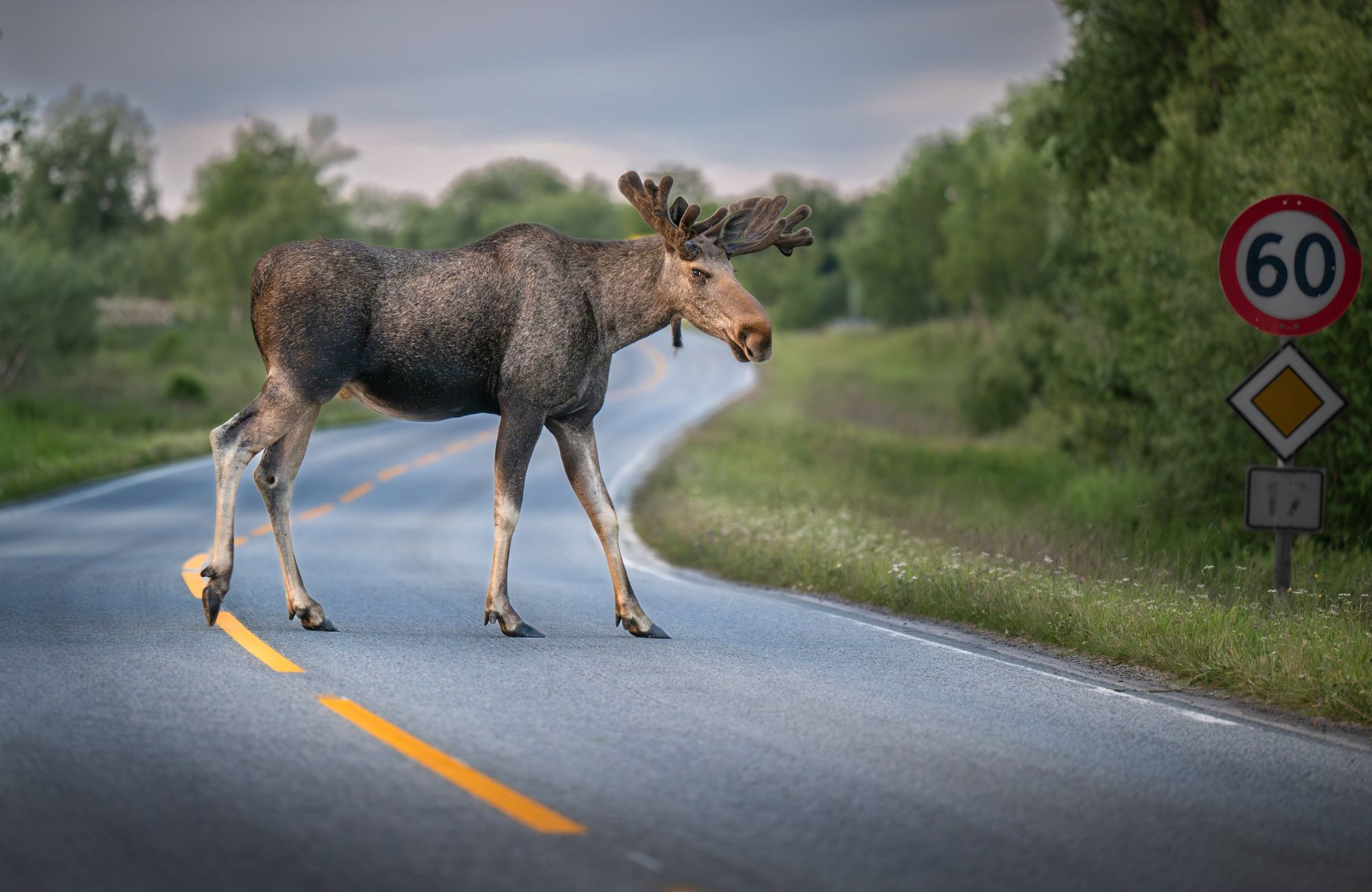
Deer, elk and moose are most active at dawn and dusk. Scan both verges, slow down at the warning signs, and remember that one animal is usually followed by others. If one steps out, brake firmly in a straight line rather than swerving.
Check road condition services, forecasts and park alerts each morning; conditions in town are no guide to the mountains. If a pass or park road closes, change the plan rather than trying to preserve the schedule. An attractive lower road or an extra night at the current base is a better choice than driving into worsening weather. Keep the waterproofs in the passenger compartment, not under the luggage.
Crossing the US–Canada border with a hire car
Every traveller needs a valid passport and must meet the entry requirements of each country. For UK citizens that means an ESTA for the United States and an eTA for Canada if you’re flying into Canada. If you enter Canada by land in a car, an eTA isn’t required, which is worth knowing for a route that flies into Boston or Seattle and crosses north by road. Rules change, so check the Canadian government’s travel pages and the US State Department guidance shortly before departure.
Hire-car permission is a separate matter. Ask the rental company in writing whether the car may cross the border, which documents must be carried, whether roadside assistance and the toll programme apply in both countries, whether they need advance notice, and whether the car must return to its original country. Crossing for a few days is common; a one-way return in the other country is rarer, and where it’s allowed it usually carries a substantial fee. Keep passports, the rental agreement and insurance paperwork within reach at the crossing, answer the officer’s questions plainly, and allow extra time on autumn weekends.
Making the journey memorable beyond the viewpoints
Food, farms and small-town culture
Autumn is harvest season, so food can become part of the route rather than something fitted in at the end of the day. Apple orchards, pumpkin displays, maple farms, farmers’ markets, cider houses, craft breweries and regional bakeries sit close to the roads you’ll want to drive.
In New England that means cider doughnuts, maple products, homemade pies and a hearty meal in a traditional diner, with farm-to-table restaurants in Vermont, New Hampshire and Maine changing their menus with the harvest. Quebec brings French Canadian cooking: local cheeses, tourtière, hearty stews and maple-based dishes that suit cooler days in the Laurentians and Charlevoix. Ontario’s lake country offers fish, farm produce and bakeries overlooking wooded shorelines. The southern mountains give a Blue Ridge journey barbecue, biscuits, apple dishes and cornbread; Alberta adds ranch culture and beef; the Okanagan adds vineyards and tasting rooms.
Independent owners know the local roads, weather and events better than any guidebook, and a short conversation may lead to a quiet lakeside pull-off or a bakery that wasn’t on the plan. Small towns may have only a few places to eat outside summer, so book dinner ahead in popular destinations and check opening days before assuming a restaurant will be available.
Easy walks and comfortable days outdoors
You don’t need to be a keen hiker. A good day can combine a viewpoint, a lakeside path, a short woodland trail and a historic site. Acadia’s carriage roads, the waterfront paths of Ontario’s lake towns and the short forest trails around Quebec’s lake districts all fit that description.
Check more than the distance on the map: elevation, parking, toilets, surface and seasonal closures all affect how a walk feels. Start early at famous viewpoints on October weekends, then return along quieter roads after a relaxed lunch. Waterproof layers beat a heavy coat, firm soles help on wet leaves and boardwalks, and a spare layer in the car is welcome once the sun goes.
Photographs without losing the day
Early morning and late afternoon bring softer light, and overcast weather makes the reds and oranges look particularly rich. Mist over a lake simplifies the scene; calm water gives reflections before the wind gets up. Look beyond the broad forest view too. Barns, covered bridges, boats, fences, pumpkins and farm stands often say more about a place than another hillside.
Stop only in marked pull-offs and car parks, never on a live carriageway or blind bend. If the light is beautiful but there’s nowhere safe, keep going; the road will offer another photograph. Check park rules before flying a drone, as many parks prohibit take-off and landing even when the wider airspace is open. And put the camera away for part of the day. Mist lifting from a lake doesn’t always need to exist on a memory card.
Travelling responsibly in the busiest season
Autumn brings welcome income to rural communities but also traffic, litter, illegal parking and pressure on small services. A narrow village road is used by school buses, farm vehicles and residents going about their day, so treat it as a living community rather than an attraction. Park only in marked areas, keep driveways clear, stay on established paths, carry rubbish out and never enter private land for a photograph. Give wildlife space and don’t block a road while photographing it. Follow local signs and treat Indigenous communities, cultural sites and sacred places with care; these landscapes have histories that go well beyond the season shown in a brochure.
The busiest roads feel better on weekdays and shoulder dates. A Tuesday morning in a smaller forest reserve often offers better walking and photography than a Saturday afternoon at a social-media-famous overlook, and buying lunch locally and staying in independent accommodation keeps the money in the places that make these journeys possible.
Conclusion
The best autumn road trips in the USA and Canada begin with choosing one region and letting the colour season guide the timing. New England and eastern Canada offer the classic maple display, the Blue Ridge provides a longer and better-value season, the Rockies bring golden aspens and dramatic scenery, and the Hill Country stretches autumn into November. Follow the changing leaves rather than forcing a rigid calendar onto a season that varies with latitude, elevation and weather, and if your dates run to the end of October, enjoy the Halloween season as the cultural bonus it is.
Comfort matters as much as scenery. Book well-located accommodation early where it’s genuinely scarce, keep driving days reasonable, and leave space for a slower morning or an unplanned stop. Before setting out, check current road and weather reports, park alerts and reservation requirements, border rules, and the hire company’s position on crossing between the two countries.
The finest fall colours journey isn’t the one with the most stops or the longest list of viewpoints. It’s the one that gives you enough time to enjoy a quiet road, a good meal and a view that wasn’t on the original plan. That breathing space is where the real character of an autumn road trip appears.

