

An Afternoon Underground: Grutas de Santo António, Central Portugal
Swapping the beach for a cave system in the Parque Natural das Serras de Aire e Candeeiros
We were based in São Martinho do Porto, which is a hard place to leave when the weather is behaving itself — that perfect horseshoe bay, the calm shallow water, the promenade cafés that seem designed to keep you sitting for another half hour. But after a few days of sand and salt we found ourselves wanting something different for an afternoon, something with a bit of exploration in it, so we pointed the car inland and headed for the Parque Natural das Serras de Aire e Candeeiros.
The drive there
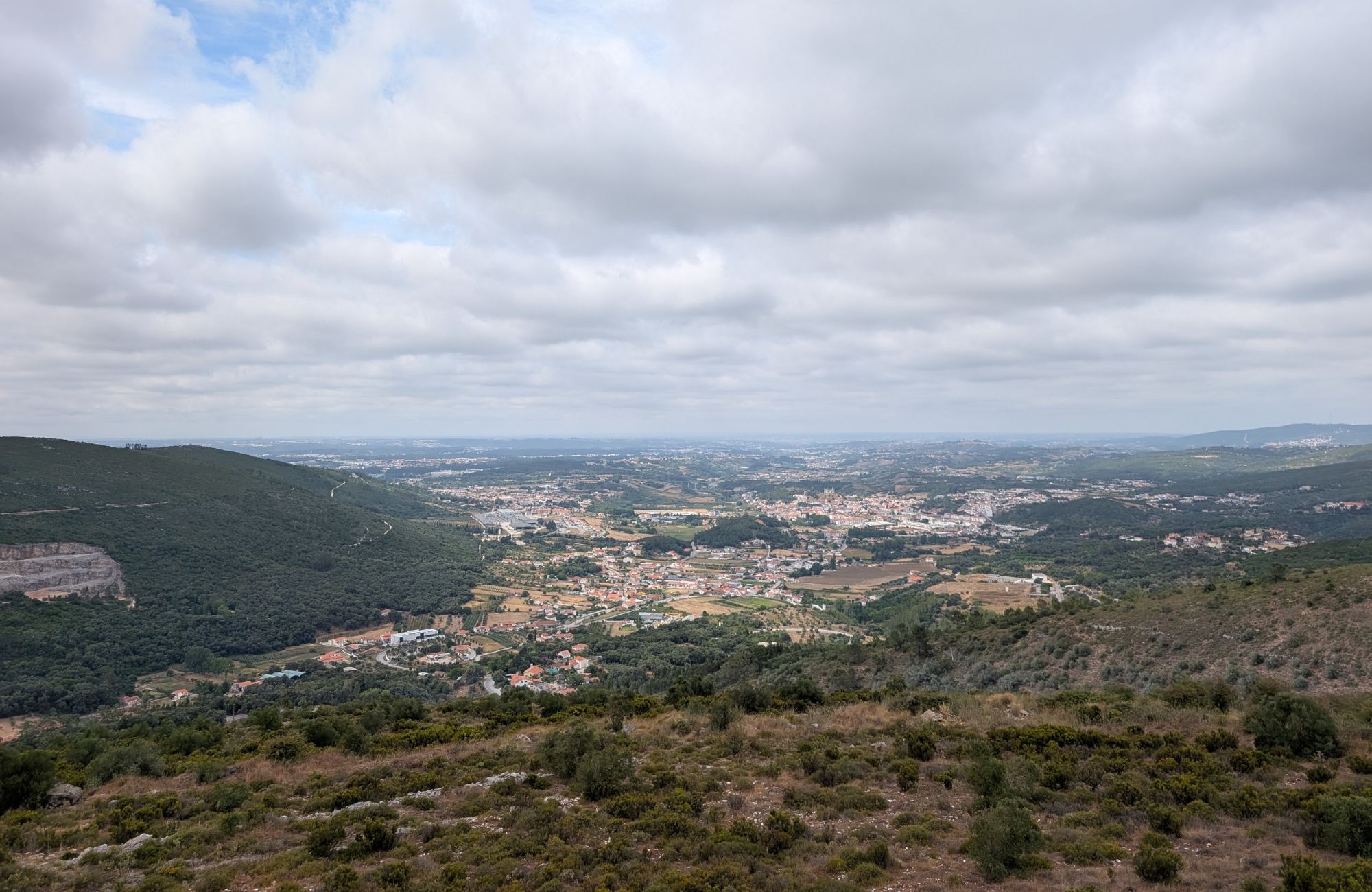
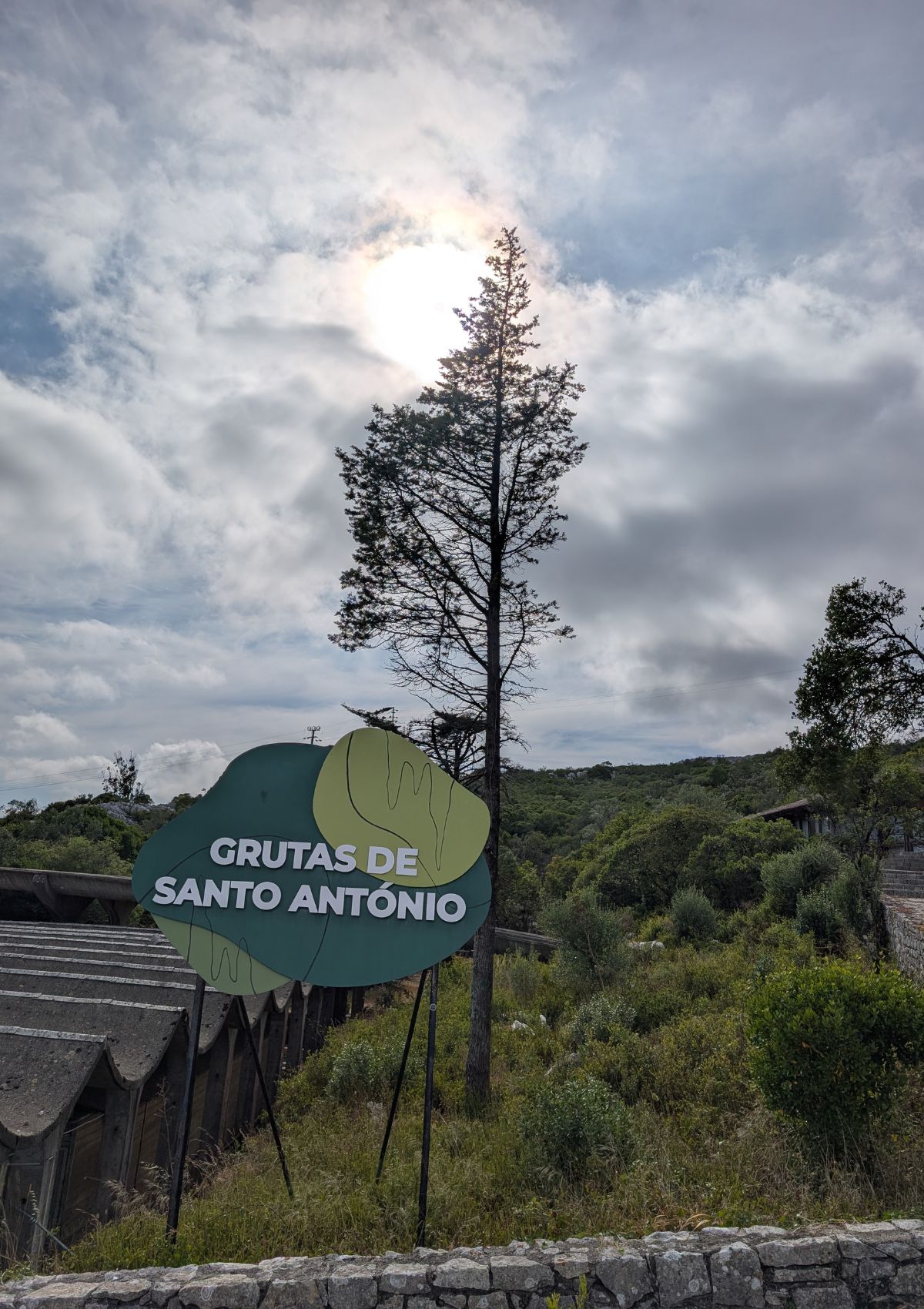
The journey turned out to be half the pleasure. The road climbs steadily away from the coast and into limestone country, a landscape of dry stone walls and olive groves where pale rock keeps breaking through the scrub, and there are some genuinely spectacular views on the way up — the sort that have you slowing down and looking for a layby. An hour after leaving São Martinho we pulled into the car park at Grutas de Santo António, near the village of Alvados.
First impressions, and why you should ignore them
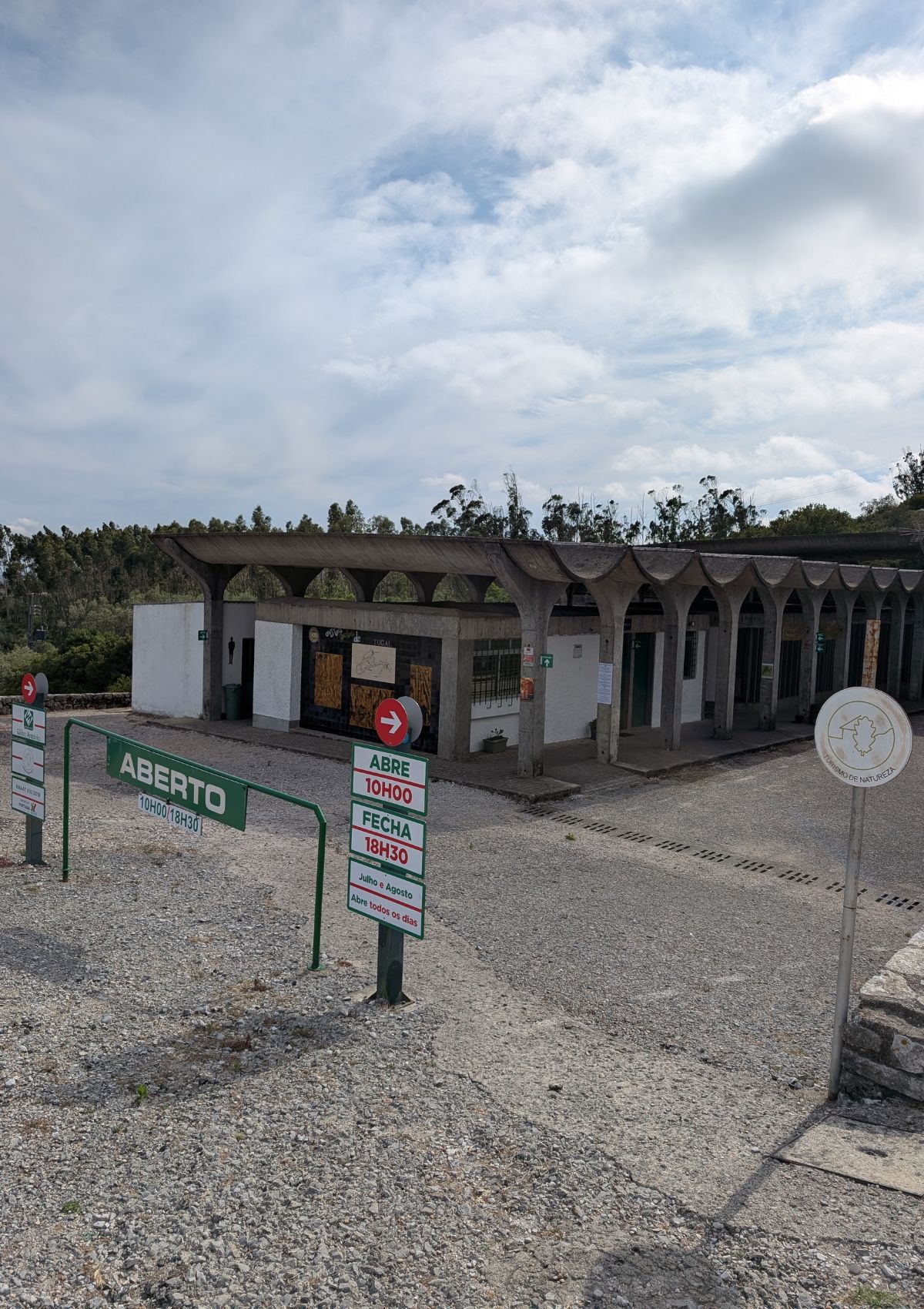
I’ll be honest: the first impression wasn’t great. The buildings look a little tired and run down, and for a moment I did wonder whether we’d made a mistake in driving all that way.
We hadn’t. The welcome at the visitor centre was warm and friendly, and within a few minutes we were booked onto the next English-language tour, which is worth knowing in itself — tours run in several languages, so it pays to ask at reception rather than assume you’ll be waiting hours for one in English. Entry was €8 per adult and €5.20 per child, which felt more than reasonable for what followed.
Into the hill
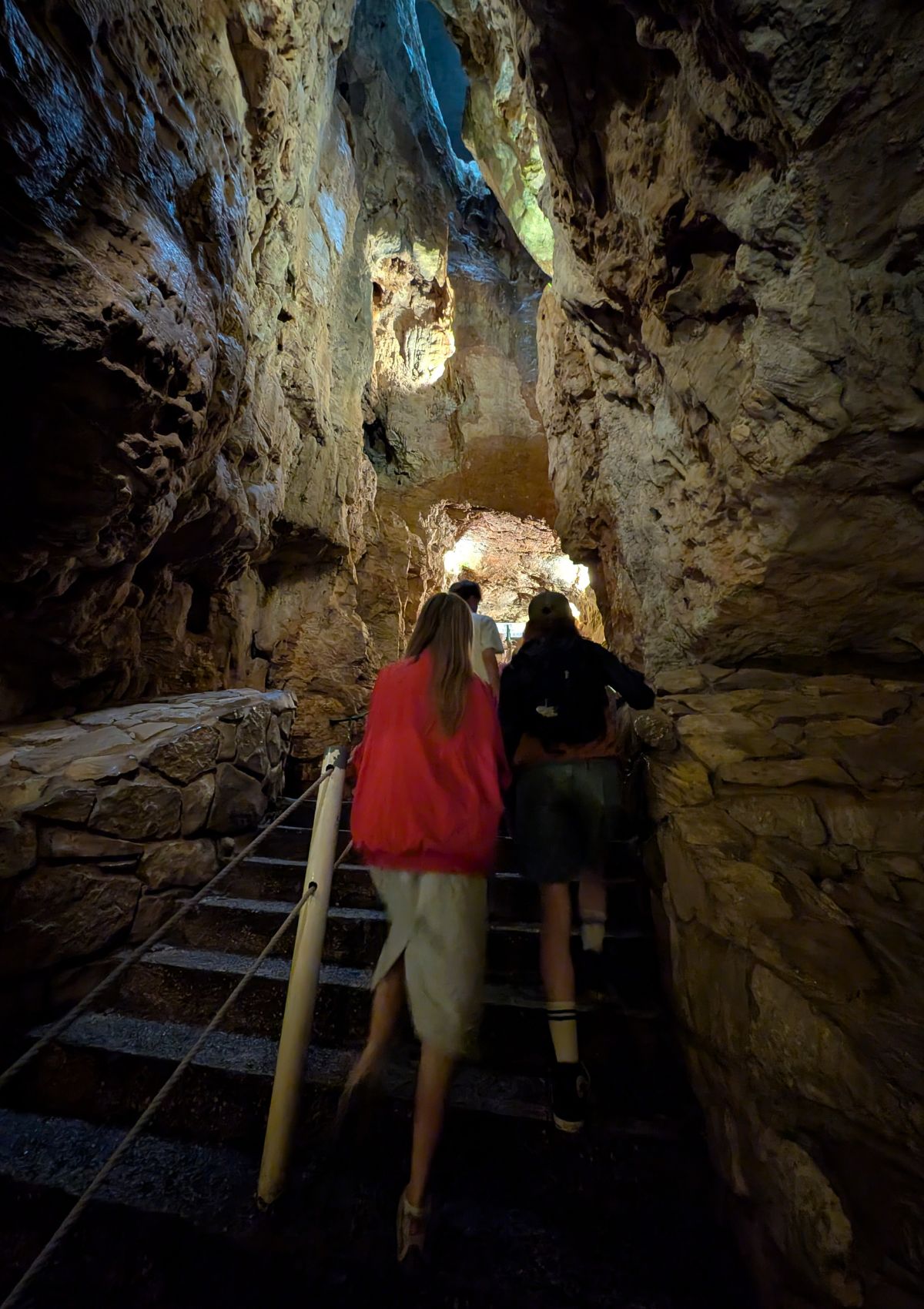
The entrance is a tunnel cut into the hillside, and the walk in is genuinely atmospheric, a long dungeon-like passageway that heads down into the rock and had our ten-year-old gripped before we’d even arrived at the cave proper.
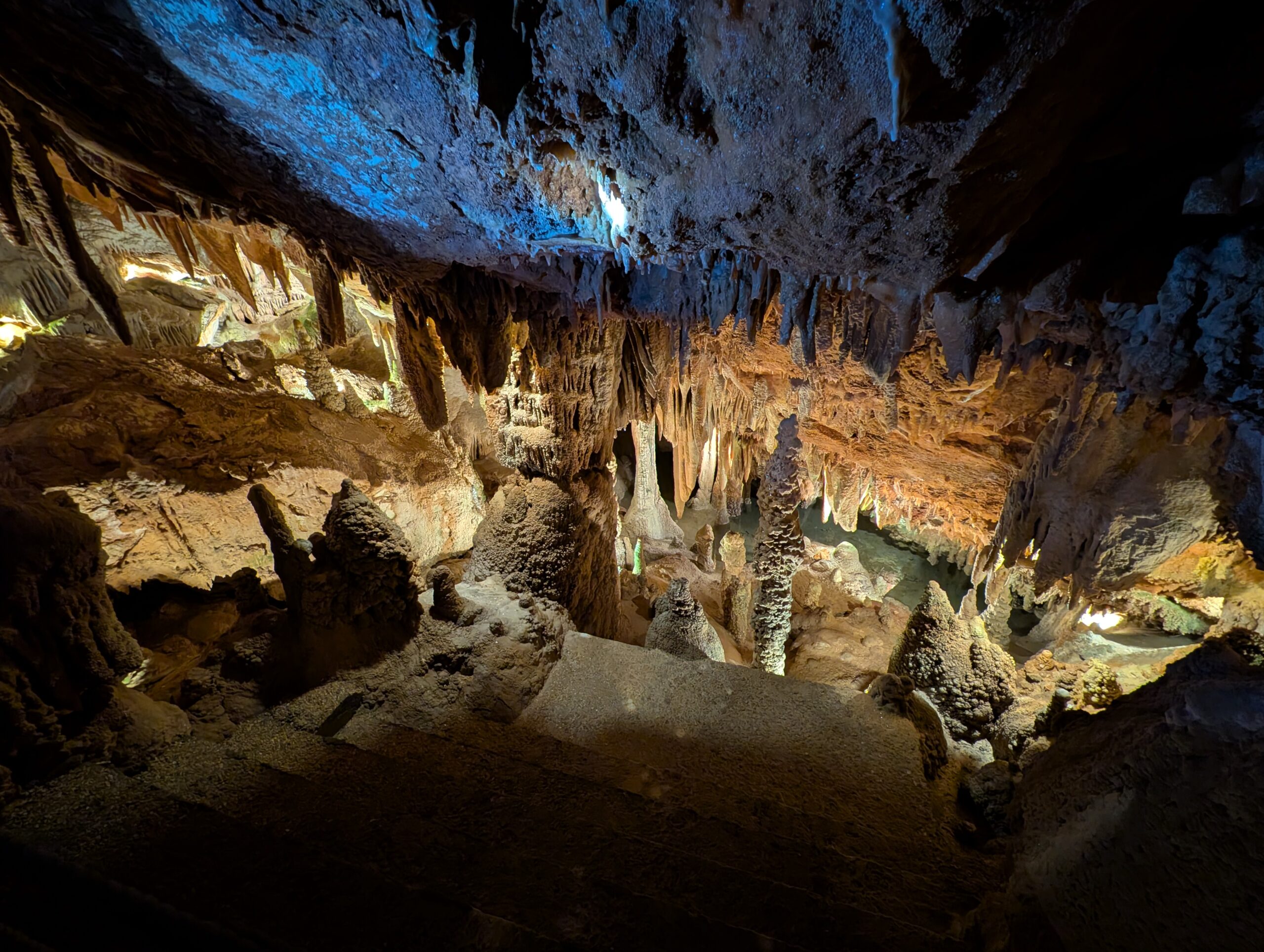
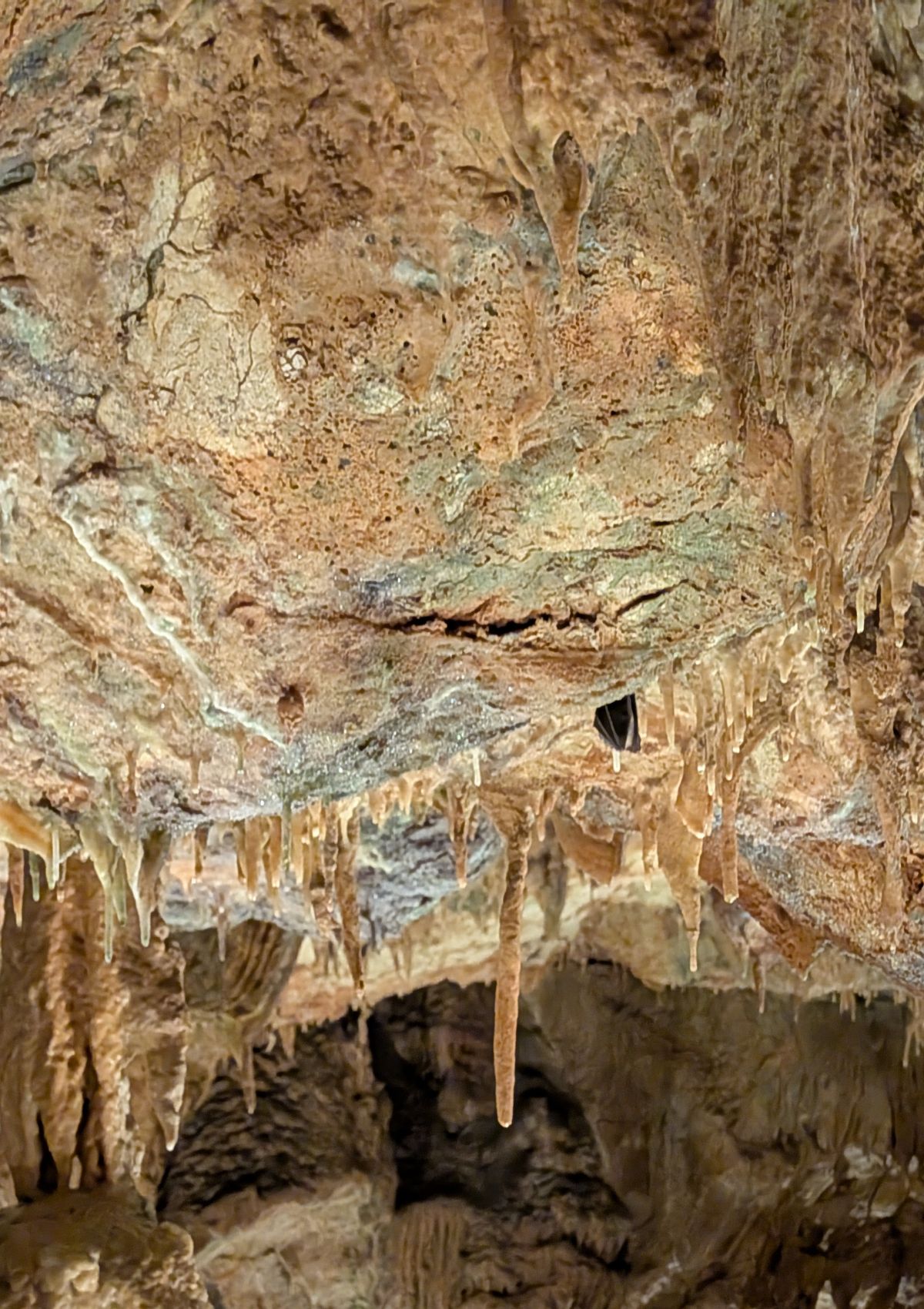
And then the passage opens out into something you simply aren’t prepared for. The main chamber is enormous — a single vast space, roughly 80 metres by 50 and over 40 metres high at its peak — with stalactites hanging overhead and stalagmites rising in clusters, some of them shaped so precisely that they look carved rather than grown. Off to one side there’s a smaller gallery of delicate pink-tinged formations and a quiet little underground lake, and lit the way it all is, the effect is of stumbling into a hidden world. Magical is an overused word in travel writing, but our son was completely enchanted by it and I’m not sure any other word quite does the job.
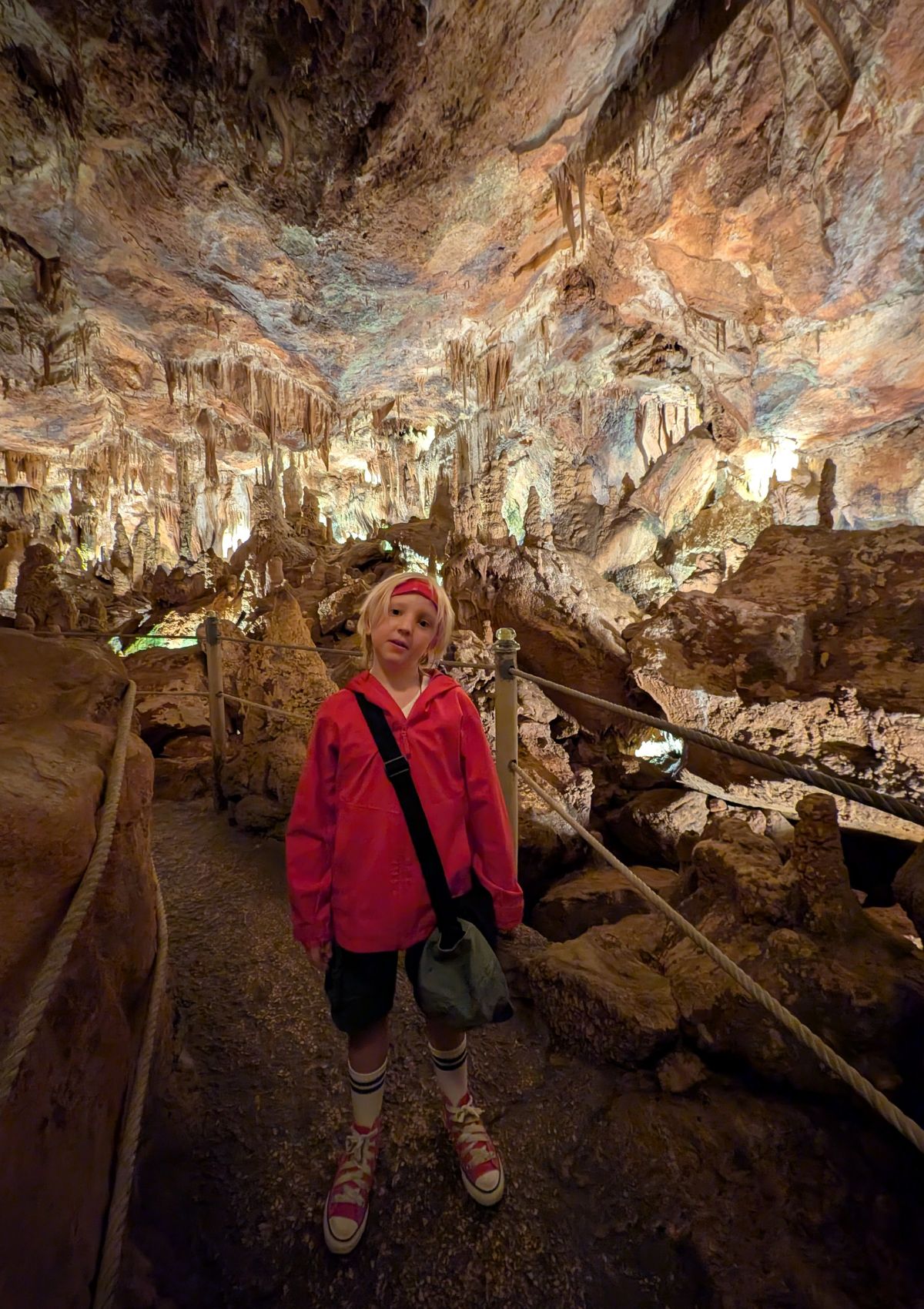
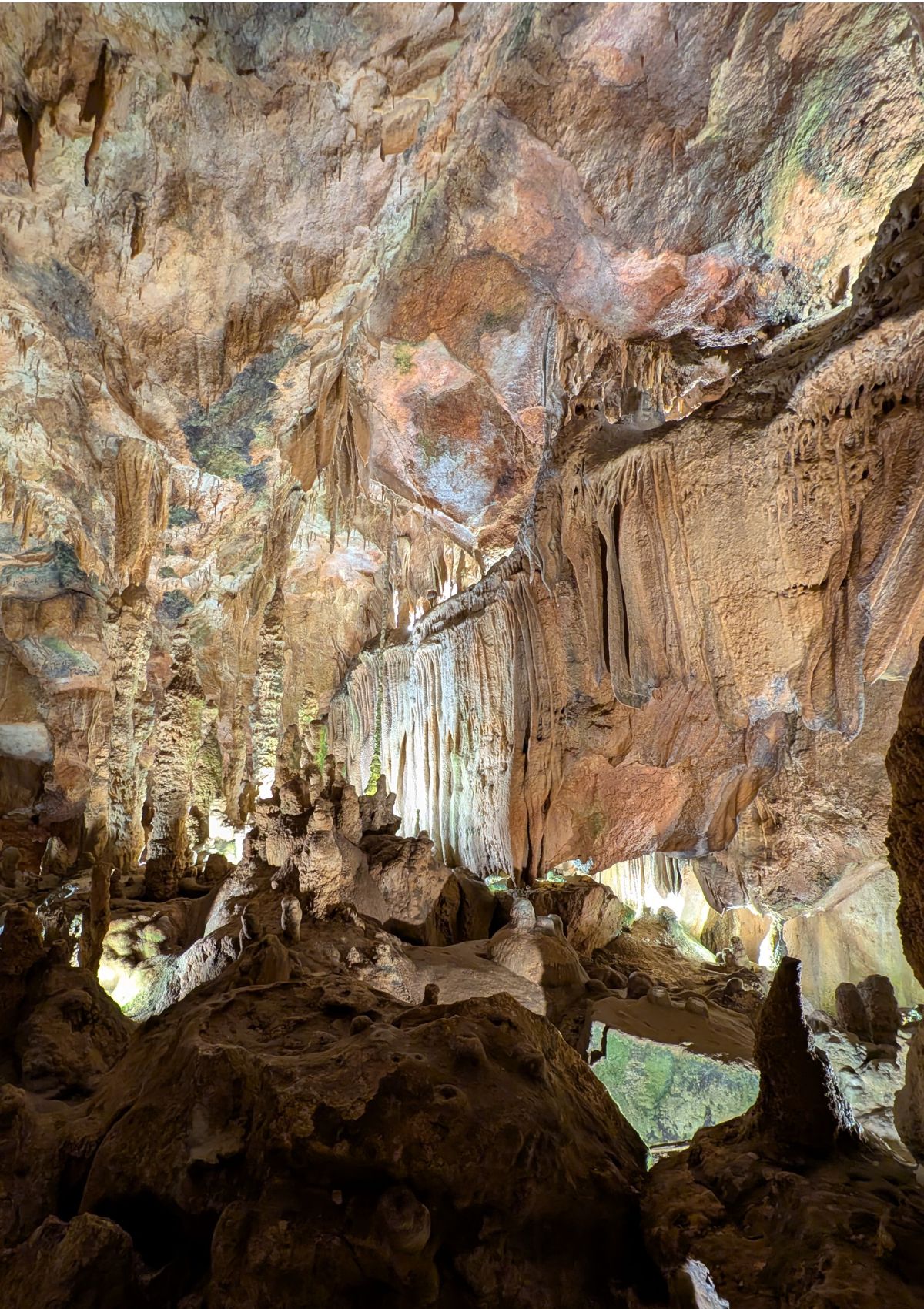
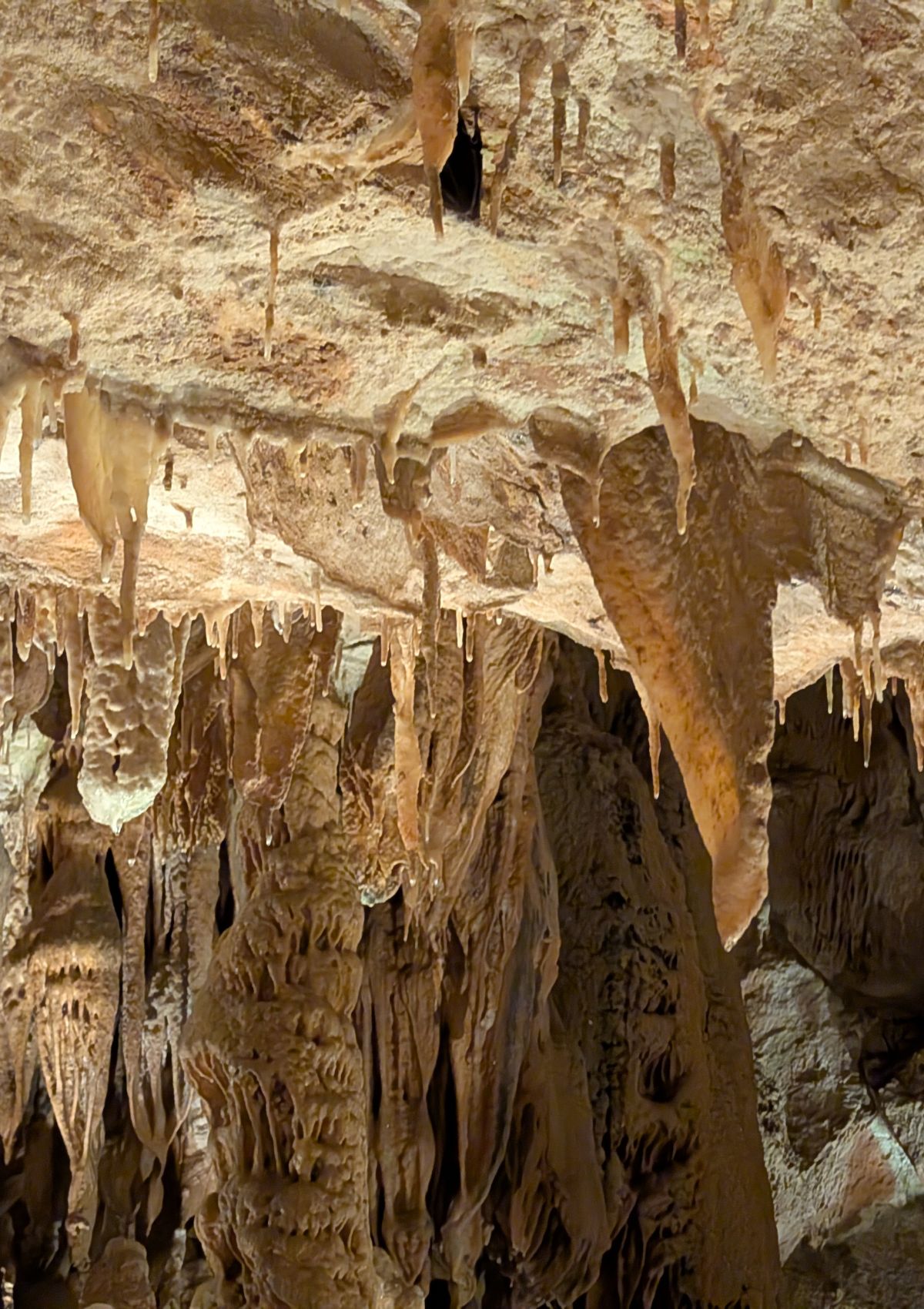
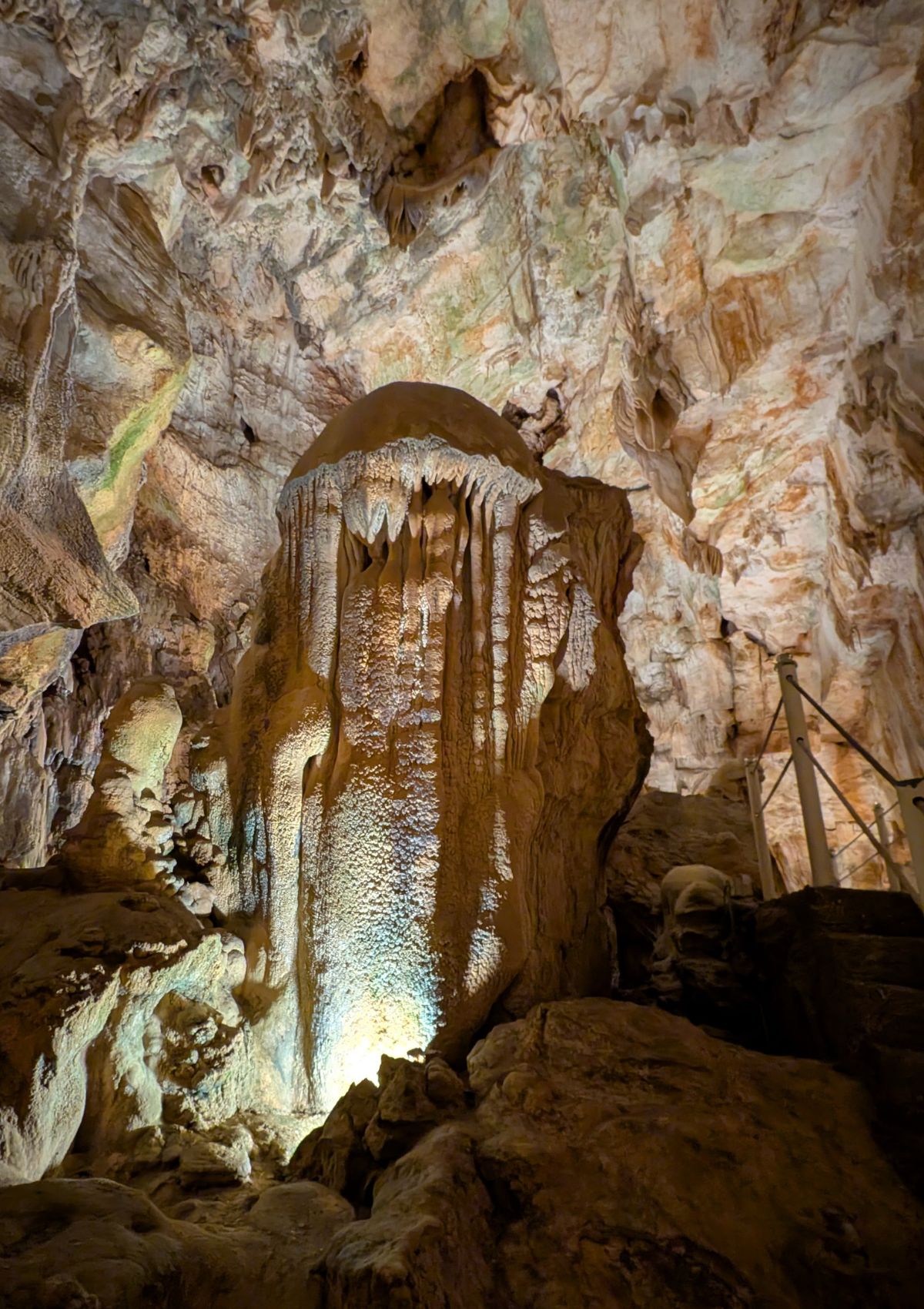
The guide made it
Our guide was excellent — knowledgeable without ever being dry, blessed with a good sense of humour, and with a real knack for keeping everyone engaged, adults and children alike. She explained how the caves had formed, pointed out the formations that are still quietly growing, and answered every question thrown at her with genuine patience. Good guiding is the difference between looking at rocks and understanding them, and she was very much that difference.
Access and practicalities
The cave is very accessible for a mixed-ability group; there are steps and handrails and it’s cool and damp underground, but nothing here requires scrambling or squeezing, and adults and children can do the whole thing comfortably. Sensible footwear helps, and it’s worth taking a layer, because it’s noticeably cooler inside than out. The tour itself runs to around 35 minutes.
What we missed
Two things, and both are reasons to go back.
The first is Grutas de Alvados, a second cave system barely two kilometres down the road, which is quite different in character from Santo António and can be visited on a joint ticket costing €11.40 for adults and €8.00 for children. That’s excellent value if you have the time, and outside high season it’s worth checking in at Santo António first in order to arrange the Alvados visit.
The second is the walking. The countryside around the caves is full of interesting flora and the park is laced with hiking trails that take in dry stone walls, sinkholes and old shepherds’ shelters, along with the Cascata da Fórnea waterfall and the dinosaur trackways preserved in the limestone at Pedreira do Galinha — enough, easily, to build a full day around.
We did neither, because we were rushing back to town to watch the World Cup final. Priorities.
Would I recommend it?
Without hesitation. If you’re staying anywhere along Portugal’s central coast — São Martinho do Porto, Nazaré, Foz do Arelho, Óbidos — this makes for an easy and rewarding half-day out that offers a proper change of pace from the beach, works brilliantly with children, and costs very little.
Just don’t judge it by the car park.
Need to know
- Where: Grutas de Santo António, Alvados, Porto de Mós, Leiria district
- Park: Parque Natural das Serras de Aire e Candeeiros (a natural park, not a national park — Portugal has just one of those, up in Peneda-Gerês)
- From São Martinho do Porto: roughly one hour by car
- Prices: €8 adult, €5.20 child. Joint ticket with Grutas de Alvados: €11.40 adult, €8.00 child
- Tour length: around 35 minutes
- Languages: ask at reception for the next English-speaking tour
- Bring: a light layer and comfortable shoes
- Check before you go: opening days can vary, so confirm ahead rather than relying on third-party listings
Prices and opening times correct at the time of our visit — please check the official site before travelling.

