

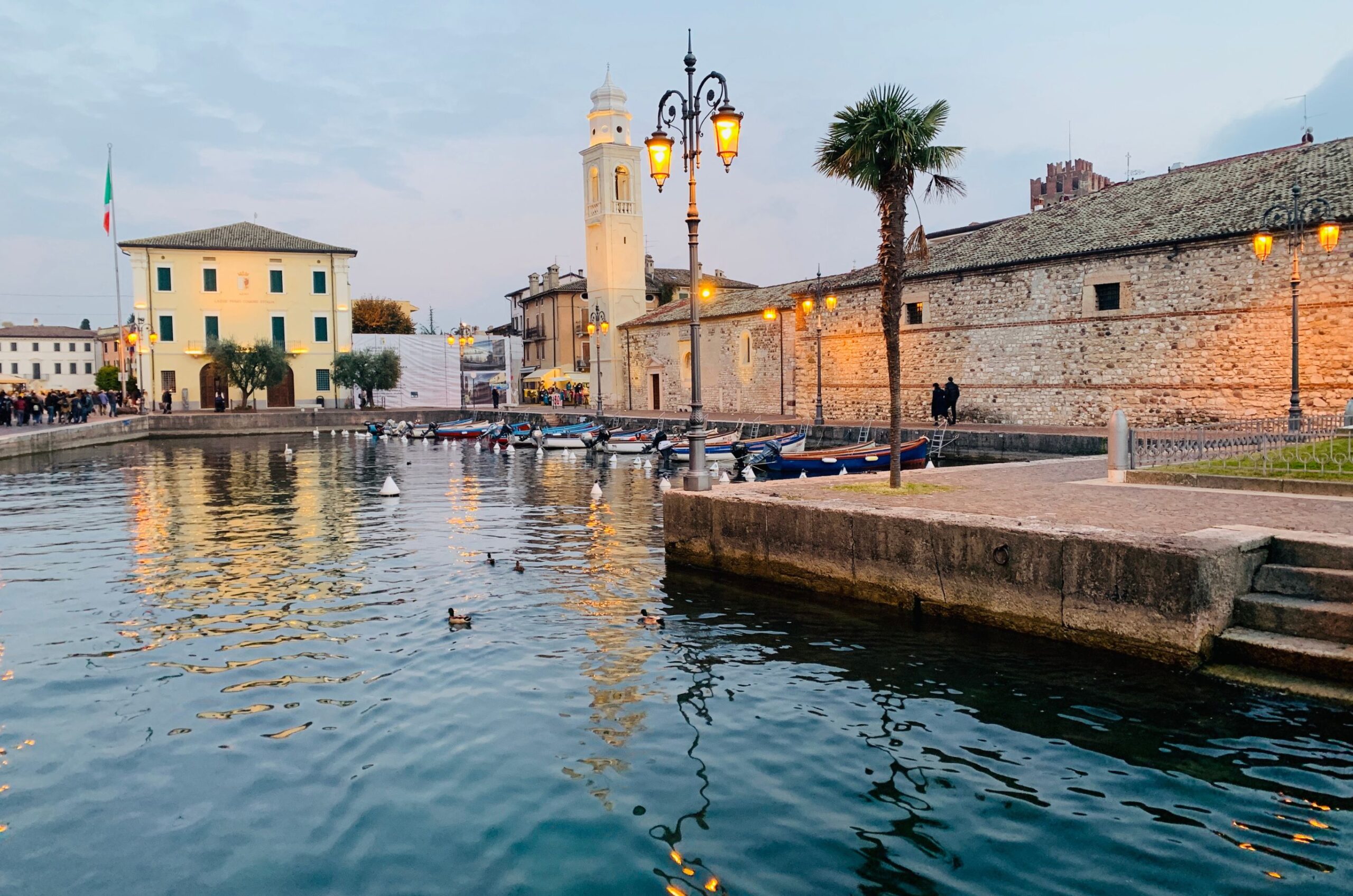
A Self-Drive Tour of Italy from the UK
A self-drive tour of Italy from the UK can be one of those holidays that feels bigger than the map suggests. The romance is real — cypress-lined roads, mountain passes, little towns that trains miss — but so is the admin.
Distances are longer than they look, tolls can bite, and one wrong turn into an Italian old town can land you with a fine weeks later. Get the planning right, though, and driving to Italy gives you freedom that packaged breaks never quite match.
The route matters more than you think
The first big choice is not Italy at all. It is how you want to cross Europe.
If you are driving your own car from the UK, the default route is simple on paper: cross the Channel, drive through France, then cut into Italy. In practice, there are a few versions of that plan, and each suits a different sort of trip.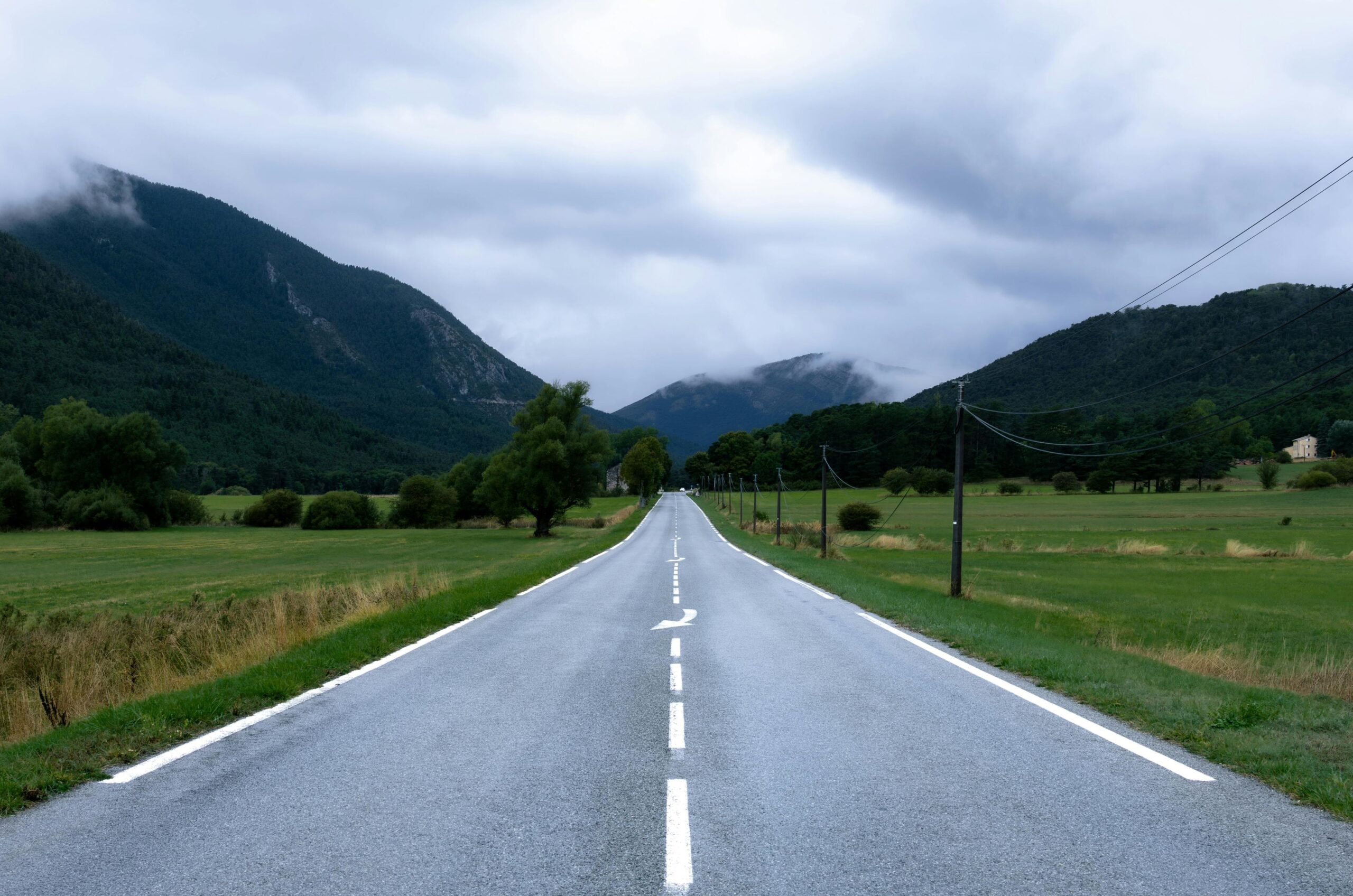
Across France for the fastest run
For most people heading to northern or central Italy, the quickest route is the Channel Tunnel or a Dover to Calais ferry, then French autoroutes most of the way. If your goal is Lake Garda, Tuscany, or the Ligurian coast, this is usually the cleanest option.
French toll roads cost more than they used to, and they can look alarming on paper when you add them up across a long drive south. Having done this route a number of times, though, the honest verdict is that they earn their money. The autoroutes are generally clear, well-maintained, and far better served than you might expect — not just big commercial services every hundred kilometres, but smaller, quieter rest areas tucked between them where you can stretch properly, grab a decent coffee, and get back on the road without losing an hour. On a long transfer day, that kind of consistent progress matters more than saving a few euros by dropping onto the N roads.
If the lakes are your destination, the route via Basel — crossing into Switzerland at the French border and then heading south — is a reliable choice that works well and takes you through some genuinely fine scenery. For Florence, Rome, or Tuscany more broadly, the French Alps route is the more interesting and often more direct option, taking you through or alongside some of the best mountain driving in Europe before dropping into northern Italy.
Through Germany and Austria for a gentler crossing
Not everyone wants to sprint. If you have the time and would rather the journey itself feel like part of the holiday, the route through Belgium, Germany, and Austria is worth serious consideration. There is a lot to see and do along the way — Bavaria alone can fill a day or two without trying — and you avoid the never-ending toll fees that come with the French autoroutes. German motorways are famously free on the main network, and Austria’s vignette system is cheaper than France’s per-kilometre cost, so the budget picture looks quite different by the time you reach the Italian border.
This route also suits travellers who want stopovers in the Tyrol or want to approach the Dolomites from the north, which is one of the more spectacular ways to enter Italy by road.
Through Switzerland for northern Italy
If you are aiming for Milan, the Italian Lakes, Verona, or the Dolomites, Switzerland often makes sense, particularly if you are coming from France and want to cut south efficiently. The roads are tidy and direct, and the scenery through the Swiss Alps rewards the modest cost of the vignette many times over.
You will need the Swiss motorway vignette — CHF 40 for 2026, available as a sticker or e-vignette linked to your plate, and valid until January 2027. Alpine traffic can snarl up in peak summer, so check tunnel works, public holidays, and weekend restrictions before you commit.
The simplest question is still this: do you want to arrive, or do you want to explore on the way? Your answer usually picks the route.
What to sort before you leave home
As of summer 2026, the core rules for UK drivers in Italy are fairly stable, but this is the sort of trip where you should verify official requirements before departure. Check GOV.UK, your insurer, your breakdown provider, and the countries you will cross.
If you are taking your own car, you will usually need:
- A full UK photocard driving licence
- Your passport
- Your V5C log book
- Proof of motor insurance
- A valid MOT if your car needs one
- A UK sticker on the rear of the car if required for your plate setup
- Headlight adjustment for driving on the right
- Any mandatory equipment required for France, Switzerland, Austria, or Italy on your chosen route
If you still have an old-style paper licence, you may need an International Driving Permit. With a modern photocard licence, you usually do not.
Italy also has rules that catch out visiting drivers. Speed limits are posted in kilometres per hour. Built-up areas are typically 50 km/h, motorways usually 130 km/h, and the limit drops in wet weather. Turning right on red is not permitted.
Do not leave the paperwork check until the night before. A self-drive holiday feels carefree only after the boring bits are done.
What a self-drive tour of Italy usually costs
Driving to Italy can save money compared with flights plus car hire, but it is not automatically the bargain option. The numbers depend on your car, your route, and how much of France you sprint through on toll roads.
These ballpark costs help with first planning.
| Cost item | Typical range | Notes |
|---|---|---|
| Channel Tunnel (LeShuttle) | From £69 one way, £127–£229 return on Standard | Book early; peak and flexible fares are significantly higher |
| Dover–Calais ferry | From around £39 one way | P&O and DFDS; prices vary sharply by date |
| Fuel for the full trip | £280 to £500+ | Depends on distance, car, and current prices |
| French motorway tolls | €80 to €180 one way | Higher on longer autoroute-heavy routes |
| Alpine tunnel or pass costs | Around €50 to €70 if using a major tunnel | Check current pricing before travel |
| Swiss motorway vignette | CHF 40 (around £37 at current rates) | Annual only; e-vignette now most popular for foreign drivers |
| Italian autostrade tolls | €30 to €100+ | More if you head far south |
| City parking | €15 to €35 a day | Rural stays often include free parking |
The takeaway is simple. The fastest route is rarely the cheapest, and the cheapest-looking route is not always best value once fuel, time, and stress join the bill.
France is the classic example. Regular roads can save toll money, but on a long transfer day they can burn hours. If the road day is only about getting to Italy, pay for the autoroute. If the drive is part of the holiday, come off and take the scenic road where it counts.
Accommodation changes the maths too. Agriturismi, motorway hotels, and lake-side apartments with parking can make a driving holiday feel easy. A city-centre hotel with no access and expensive public parking can undo that in one evening.
Driving in Italy without collecting silly fines
The actual driving in Italy is often easier than people fear. The hard part is not the road. It is the rules around old towns, parking, and restricted areas.
Italian motorways, the autostrade, are generally straightforward. You take a ticket, drive, then pay at the end unless you are on a fully barrier-free section. Stick to signed payment lanes and avoid Telepass-only lanes unless you know exactly what you are doing.
The four letters that matter most: ZTL. Never drive into a historic centre unless you are certain your hotel can authorise your plate, or you have confirmed legal access. ZTL cameras (Zona a Traffico Limitato — restricted traffic zones) are used throughout Italian towns and cities, and fines follow automatically. The sign is usually a white circle with a red border, often with time windows underneath. Ignore it and a fine can arrive weeks after you get home.
A few more habits make life easier:
- Park outside major centres and use trains, trams, buses, or your feet
- Read fuel labels carefully. Petrol is benzina, diesel is gasolio
- Carry a backup payment card and a little cash for tolls, parking, and smaller garages
- Slow down in villages — 30 km/h zones are common
- Treat mountain drives with respect, especially outside summer
One final point: sat-nav is helpful, but it is not a legal defence. If it tells you to cut through a restricted centre, ignore it and go the long way round.
Where your car adds freedom, and where it doesn’t
A car is brilliant in the right parts of Italy. It is dead weight in the wrong ones.
Tuscany is made for driving. So is Umbria. Little hill towns, vineyard stays, country restaurants, and quiet back roads all make more sense when you have your own wheels. The same goes for the Dolomites, Lake Garda, rural Puglia, and parts of Sicily.
Cities are different. Venice does not want your car. Stay in Mestre if you want lower prices and easier parking, then take the train or bus in and use the vaporetto on the canals. Florence is far easier if you park outside the centre and explore on foot, especially around Oltrarno, where the workshops, cafés, and streets still feel more local than polished.
Cinque Terre sits somewhere in the middle. Driving there is possible, but it is rarely the best way to move between the villages. Base outside the busiest spots, or leave the car and use the train. If you want beach time after all those steep lanes, Monterosso al Mare is the village with the best stretch of sand. If you are planning a walk, the Sentiero Azzurro can close at short notice after bad weather or repair works, though the higher alternatives often reward you with even better views.
This is the golden rule of an Italy self-drive trip: use the car for regions, not city centres. Let it take you between the good bits, then stop driving before the headaches begin.
Two realistic self-drive itineraries from the UK
The best self-drive tour of Italy is the one that leaves breathing space. If you try to tick off Milan, Venice, Florence, Rome, the Amalfi Coast, and Puglia in ten days, the car becomes a punishment.
A 10 to 11-day northern Italy road trip
This works well for a first trip, a school-holiday break, or anyone who wants manageable distances. Cross from Kent, overnight in eastern France, then push on to northern Italy on day two.
Spend three nights around Lake Garda or Lake Como, depending on whether you want easier town-hopping or a more polished lake feel. Then move east for Verona and Venice. If Venice is on the list, sleep in Mestre and leave the car put. Finish with two or three nights in the Dolomites, where having your own car suddenly feels like a gift again.
Break the return with another night in France or Switzerland. It sounds obvious, but it is the difference between a holiday and a motorway test.
A two-week classic route with Tuscany and Cinque Terre
If you have around 14 days, you can stretch further without turning the trip into a blur. Take the Channel crossing, stop in France, then enter Italy via the north-west or through Switzerland. A night near Parma, Turin, or Lake Maggiore makes a useful bridge into the heart of the trip.
Base in Tuscany for four or five nights rather than moving every day. That gives you time for Siena, San Gimignano, Pienza, Val d’Orcia drives, and a slow lunch that does not have to fit a check-in window. Add Florence as a day trip or one-night stop, but keep the car outside the centre.
Then head to the Ligurian coast for Cinque Terre. Use the train between villages, check the current trail situation before lacing up your walking shoes, and save time for Monterosso if you fancy an easier beach afternoon. Finish with a final Italian stop — perhaps Lake Maggiore or Turin — before the drive back through France.
If your trip is under ten days, stay in the north. If you have closer to three weeks, Rome or Puglia starts to look sensible.
Small mistakes that make a big dent in the trip
Most self-drive problems in Italy are not dramatic. They are fiddly, expensive, and avoidable.
People often underestimate the first two days. Britain to Italy is a proper haul, not a quick European hop. Build in an overnight stop each way unless you enjoy arriving wrung out and cross with each other.
City-centre bookings cause more grief than mountain roads. A pretty hotel inside old walls can be a nuisance if access is restricted, parking is far away, or your plate needs pre-authorisation. Ask the accommodation exactly where to drive, where to park, and whether any ZTL access is included.
A few more things worth remembering:
- Do not rely on one payment card
- Do not assume every hotel has practical parking just because it says “parking available”
- Do not follow sat-nav blindly into old towns
- Do not leave tyre checks, breakdown cover, or headlight adjustments until departure morning
- Do not plan huge scenic drives after dark in unfamiliar mountain areas
Families should also look closely at luggage. One extra case feels minor until you are repacking the boot in a French services car park. Soft bags are easier than rigid suitcases, especially if you are travelling with pushchairs or hiking gear.
And if you are using Italy for walking as much as driving, pack for both. Good shoes matter. In places like Cinque Terre and the Dolomites, the line between “easy stroll” and “why did I wear sandals?” can be surprisingly thin.
Final thoughts
Driving from the UK to Italy is not the cheapest or simplest way to get there, but it can be the most satisfying. You trade airport speed for freedom, and if you plan the route well, that is a good trade.
The strongest idea to hold onto is this: let the car do the long-distance work and keep it away from the places where it becomes a liability. Build the trip around regions, not city-centre driving, and Italy opens up beautifully.
You could always let the plane doe the heavy lifting and take an organised trip with car hire with RendezvousRoadTrips!

