

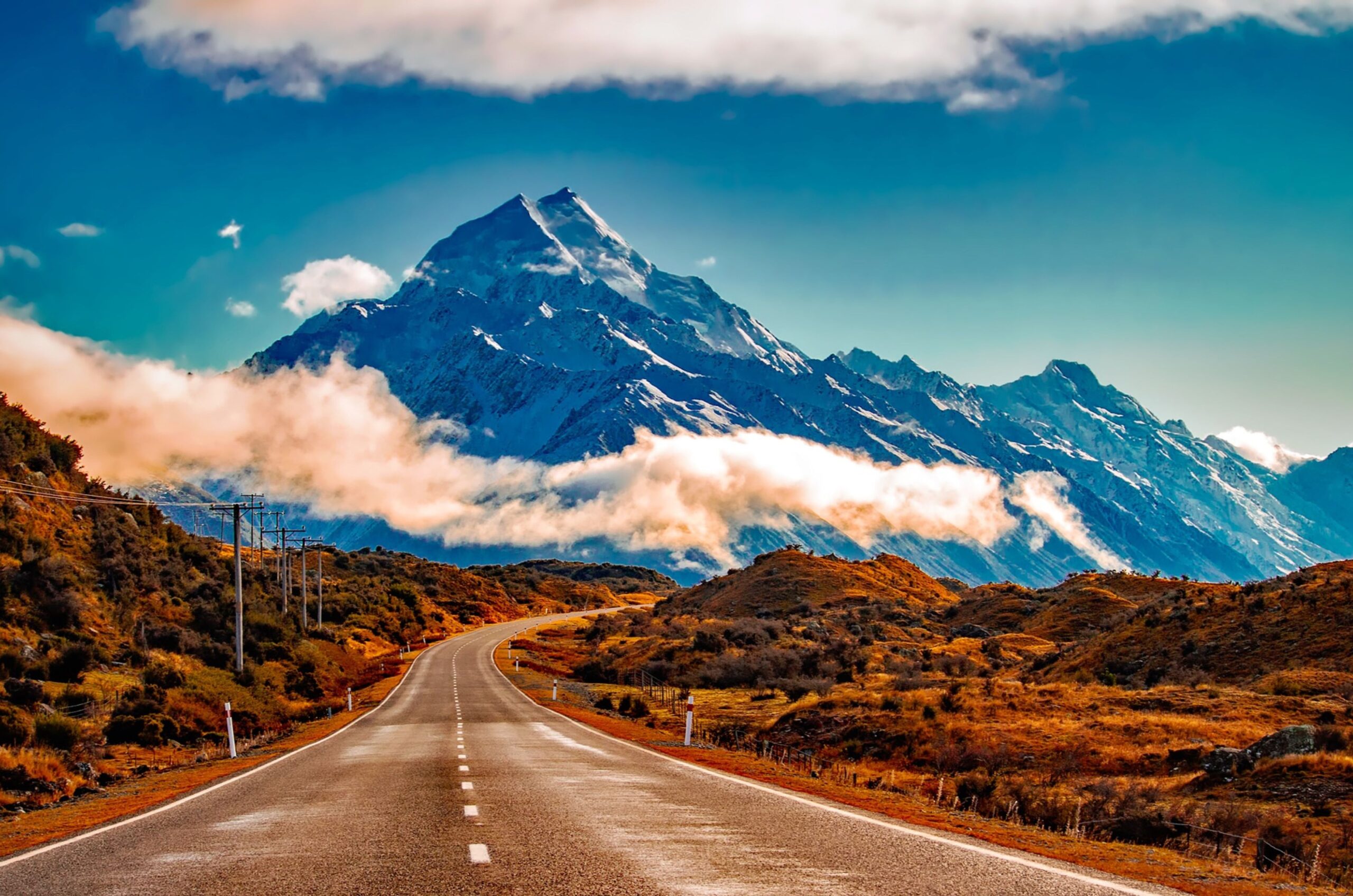
Planning a New Zealand Self-Drive: What I’d Actually Tell You
New Zealand looks small on a map. Then you get there, meet the bends, the weather, the photo stops, and realise your “easy” driving day has ideas of its own.
A good New Zealand self-drive isn’t about squeezing in everything. It’s about building a route that gives you room to breathe, pull over, and actually enjoy the place rather than race through it. Start with the shape of the trip, then sort the car, the ferry, and the practical bits.
How much of New Zealand should you try to cover?
The biggest planning mistake I see, again and again, is trying to do both islands too quickly. New Zealand isn’t a motorway-heavy country, and even the major roads can be narrow, winding, and a lot slower than they look online.
If you’ve got a week, don’t force both islands. If you’ve got two weeks, you can make a both-islands trip work, but only with a fairly disciplined route. Three weeks gives you proper breathing space, and out here, that matters.
Here’s how I’d frame your expectations:
| Trip length | Best approach | Why it works |
|---|---|---|
| 7 to 8 days | One island section | Less backtracking, more time off the road |
| 10 to 14 days | One island properly, or a light both-islands route | Good balance if you stay selective |
| 3 weeks or more | Both islands | Time for weather changes, ferry timing, and proper stops |
Open-jaw flights are often the neatest answer. Fly into Auckland and out of Christchurch or Queenstown, and you cut out a lot of repeated driving. That’s usually a better spend than adding extra road days.
A little restraint goes a long way here. New Zealand rewards slower travel far more than frantic box-ticking.
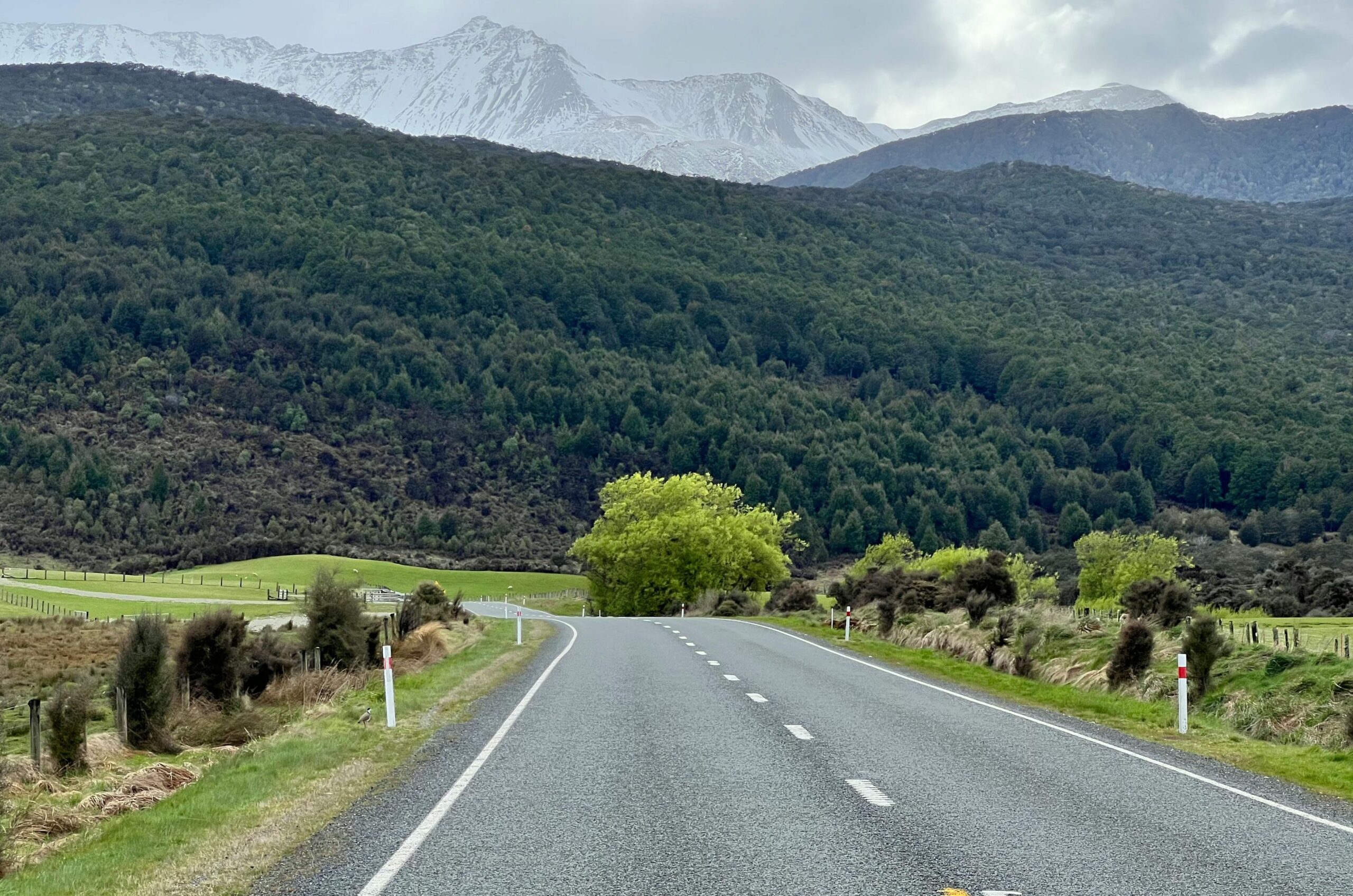
North Island, South Island, or both?
The right answer depends on what you want your days to feel like. Hot springs and cities? North Island. Big mountain drama and long scenic drives? South Island. A bit of both? Possible, but keep your ambitions tidy.
Choose the North Island for variety and easier pacing
The North Island is a smart first choice if you like a mix of landscapes and towns. Auckland gives you an easy arrival point, Rotorua brings geothermal scenery and Māori cultural experiences, Taupō adds lake views, and Wellington rounds things off with food, museums, and a bit of urban energy.
Driving is often less dramatic than the South Island, but not necessarily quicker. Traffic around Auckland can eat into your day, and the central routes still twist and climb. The upside is range. You can have beaches, vineyards, volcanic scenery, and city breaks in one trip without constantly changing beds.
A classic route runs Auckland, Coromandel or Waitomo, Rotorua, Taupō, Napier, then Wellington. It suits couples, families, and first-timers who want plenty of stops without living out of the car.
Choose the South Island for the postcard moments
The South Island is where most travellers get that wide-eyed road trip feeling. Lakes, high passes, glacier views, mountain villages, and roads that seem designed for windscreen daydreaming — it’s all here.
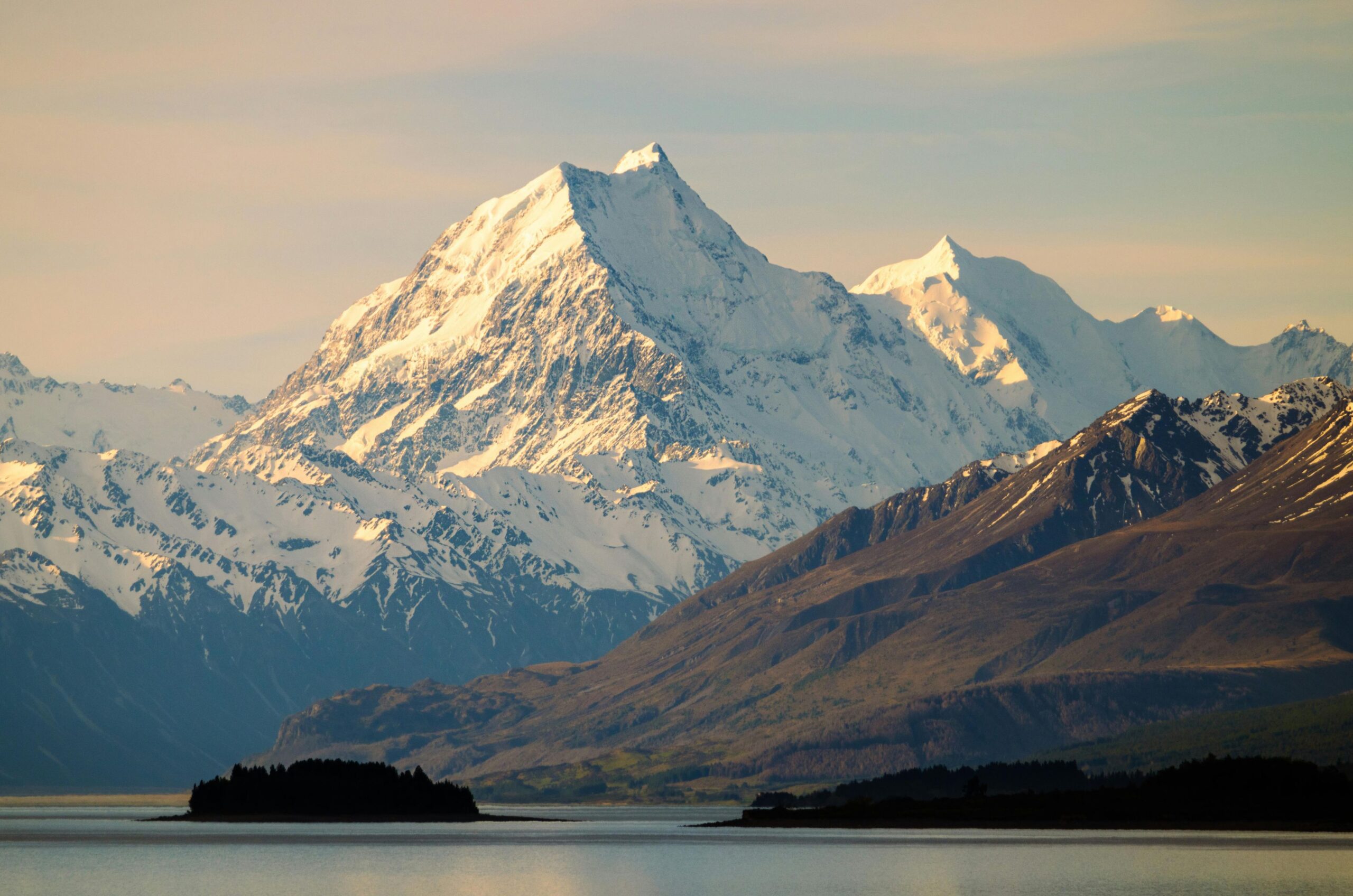
Christchurch to Lake Tekapo, Aoraki/Mount Cook, Wānaka, Queenstown, and Te Anau is one of the strongest first-time routes anywhere. You can keep it linear, avoid too much doubling back, and still pack in some properly memorable scenery.
The South Island usually asks for more driving discipline, though. Roads can be exposed, weather changes fast, and distances between services can stretch out. It feels rewarding, but it rarely feels rushed if you plan it well.
If you want both islands
Fourteen days is the minimum I’d suggest for both islands, and 17 to 21 days is kinder. Keep your route to a clean north-south line. Auckland to Wellington, ferry to Picton, then onward through a South Island corridor works far better than trying to loop everywhere.
Don’t try to add Northland, the Coromandel, Milford Sound, Abel Tasman, and the West Coast all in one go. That’s not a holiday, it’s a driving exam.
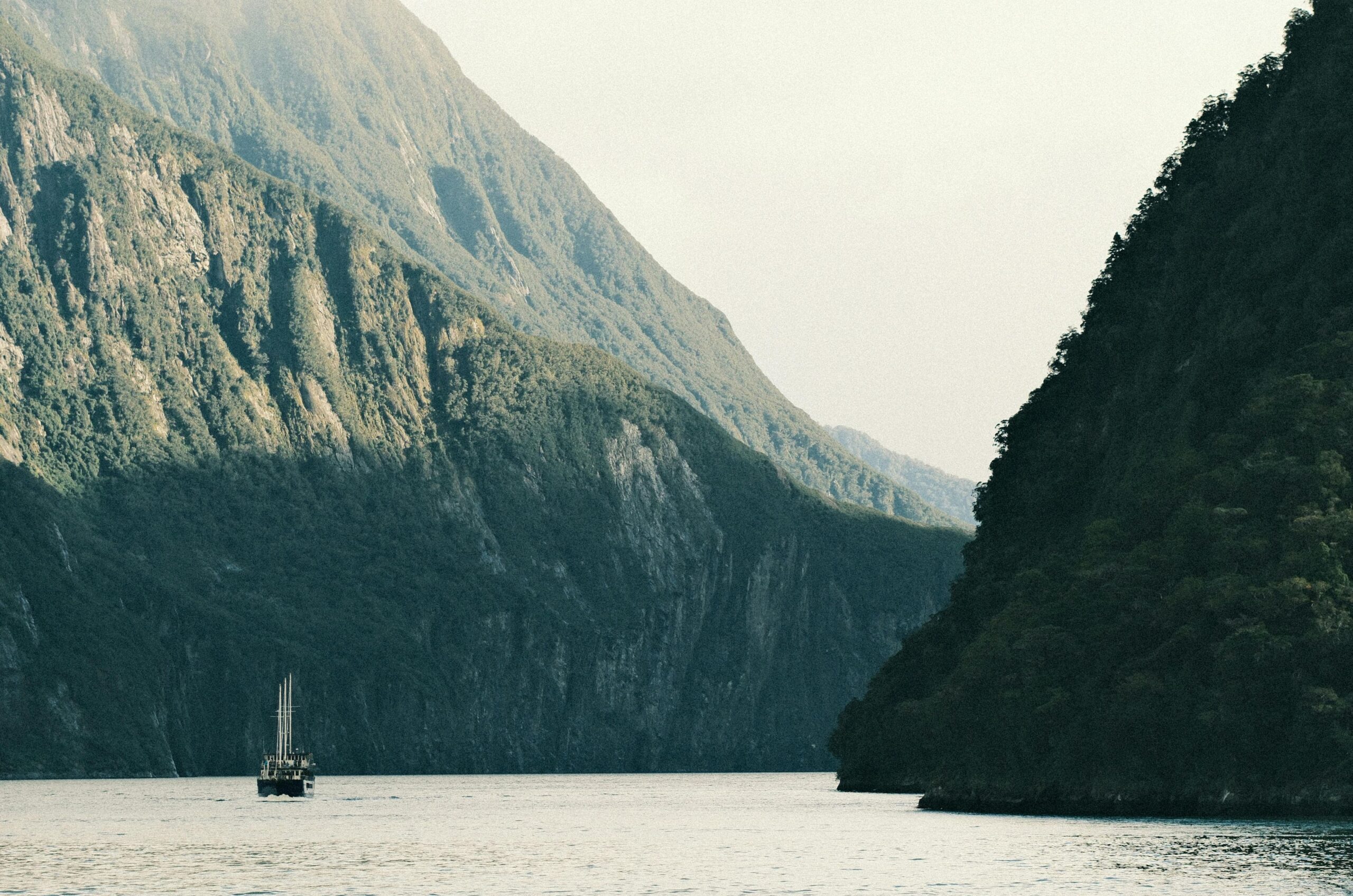
Driving times in New Zealand are slower than they look
This catches out almost everyone. A route that looks modest on the map can take much longer on the ground. Roads bend, towns break up the pace, and scenic stops appear when you least meant to stop. Then you stop anyway.
Auckland to Rotorua might be around three hours in ideal conditions, but four is a safer working estimate once traffic or breaks come into play. Christchurch to Lake Tekapo is often around three hours, yet many people take half a day because the views invite constant pauses. Queenstown to Milford Sound and back can swallow an entire day before you’ve even added a cruise.
If your mapping app says three hours, treat that as the driving core, not the full day.
A few basics matter from the off. New Zealand drives on the left. At roundabouts, traffic comes from the right. Open-road limits are often 100 km/h, and towns are commonly 50 km/h unless signs say otherwise. You also can’t turn left on a red light unless a green arrow allows it.
A few habits make a real difference:
- Rest after your long-haul flight before starting a serious drive
- Keep left unless you’re overtaking
- Pull over safely for photos rather than slowing on the road
- Swap drivers if you can, especially on longer South Island days
- Build shorter days before and after any big scenic drive
New Zealand isn’t hard to drive, but it does punish overconfidence.
The Cook Strait ferry needs its own plan
If your route includes both islands, the Wellington to Picton ferry isn’t a minor detail. It’s part transport, part timetable puzzle, and part weather gamble.
The crossing usually takes about three-and-a-half hours. In summer, on weekends, and around school holidays, vehicle spaces can sell out well before passenger seats do. Book your car spot early, especially if you’re travelling with a larger vehicle.
Weather matters. Cook Strait can be rough, and sailings do get delayed or reshuffled. That’s normal enough that it should shape your planning. Keep the day light on both sides if you can — a long drive before the ferry and another long one after it is a tiring combination.
If you’re hiring a car, check the rental agreement carefully. Some firms allow ferry crossings without fuss, others want advance notice, and some travellers decide to drop one car in Wellington and pick up another in Picton. That can simplify logistics, but it may also trigger one-way fees.
Pack a small bag for the sailing, too. You may not be able to return to the vehicle deck during the crossing, so don’t leave medication, chargers, or jackets in the boot.
Treat the ferry as a travel day, not dead time. Your whole route will feel calmer for it.
Car hire, licences and insurance basics
For most overseas visitors, hiring a car is straightforward. You can usually drive in New Zealand for up to 18 months on your current licence, but you must carry it with you. If the licence isn’t in English, you’ll usually need an International Driving Permit or an approved translation.
That sounds simple, and mostly it is. The detail sits in the hire contract.
Airport pick-ups are convenient, but they aren’t always the cheapest option. Compare like-for-like quotes, not headline rates. One company may look cheaper until you add an extra driver, full insurance cover, ferry approval, or a one-way drop-off. If you’re finishing in a different city, check that fee early — it can be steep.
Insurance is where many travellers either overpay or under-protect themselves. A low-excess or zero-excess option is often worth serious thought on New Zealand roads, where loose stones, windscreens, and tyre damage aren’t rare. If you’ve already arranged cover through a bank card or separate policy, read the small print before declining the rental desk upsell.
The same goes for extras. Daily sat nav hire often costs more than it’s worth if your phone works offline. Child seats can add a noticeable chunk to the bill, so reserve them early and compare the price with bringing your own if that suits your family.
Try to book a full-to-full fuel policy if possible. Prepaid fuel deals rarely favour the driver unless you’re returning nearly empty.
Fuel, parking and the everyday budget
Road trip budgets usually wobble on the small stuff, not the car itself, but the bits around it.
Fuel is a good example. Petrol and diesel prices vary by region, and remote areas often cost more than larger towns. If you’re heading into the central North Island, the Mackenzie Country, the West Coast, or long rural stretches in the far south, don’t let the tank drop too low. Half-full is a comfortable rule.
Many filling stations are self-service. Some smaller ones close earlier than you’d expect, while others rely on pay-at-pump terminals. It’s all manageable, but it pays to think one stop ahead rather than one stop late.
Parking is mixed. In Auckland, Wellington, and Queenstown, central parking can be paid, limited, and mildly annoying. In smaller towns and at many motels, it may be free. Popular trailheads and lakefront spots fill early, though, especially in summer.
Accommodation parking is worth checking before booking. A place may advertise parking, but that can mean a few tight bays rather than guaranteed space. Families with roof boxes and couples in larger SUVs will want to ask.
New Zealand has only a small number of toll roads, mostly around Auckland. They’re easy enough to pay, but with a hire car the company may settle the charge and add an admin fee later.
The rough lesson is this: the car rate is only the start. Ferry tickets, fuel, parking, extra drivers, snow chains in winter, and child-seat hire all nudge the final cost upwards.
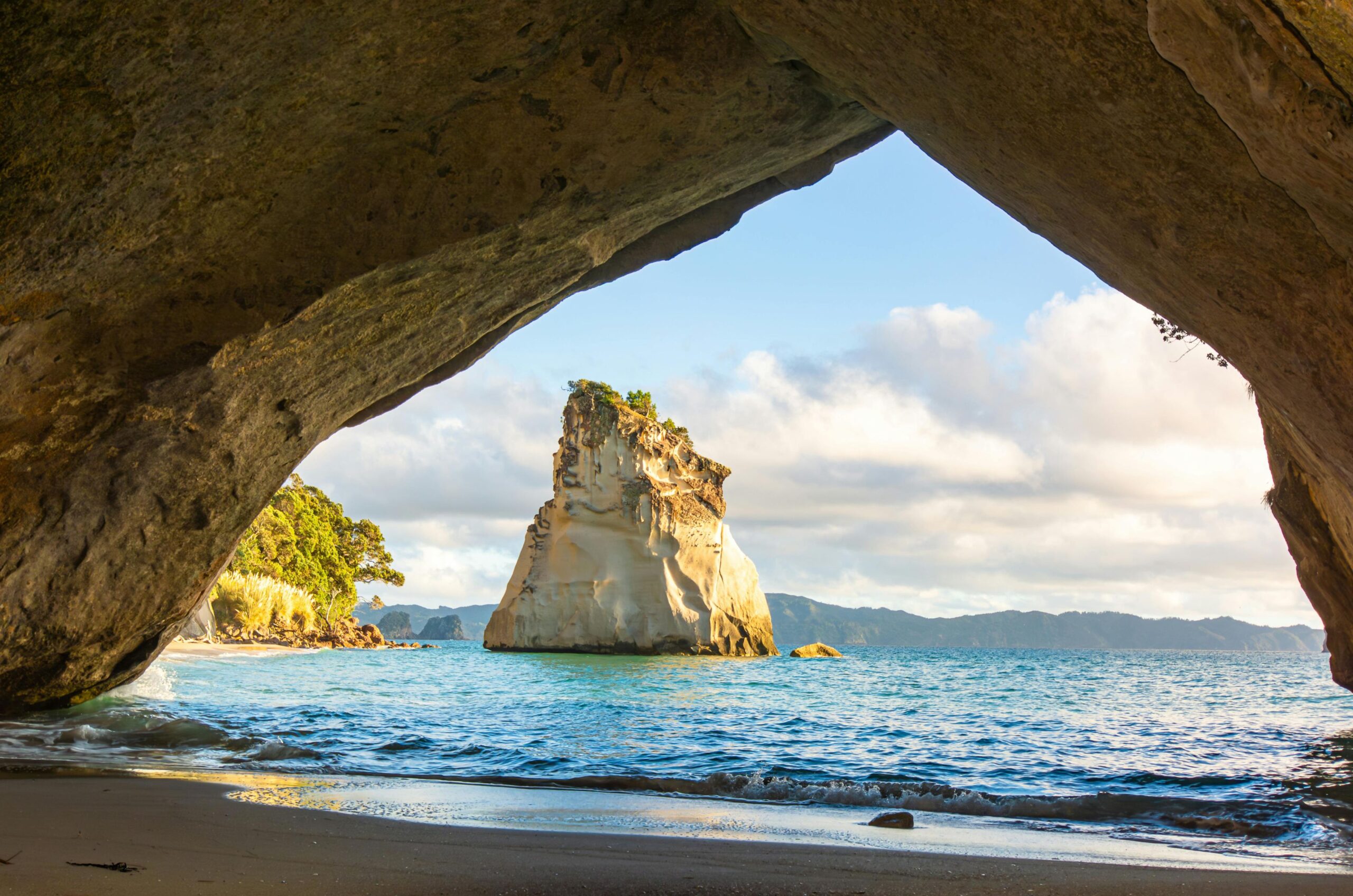
Seasonal choices and road conditions for 2026
Summer, from December to February, is the most popular time for a self-drive holiday, and for good reason. Days are long, hiking tracks are more accessible, and the country feels open. It’s also the busiest and most expensive period, so book early if that’s your window.
Autumn, especially March and April, is a lovely compromise. Roads are a little calmer, temperatures are still comfortable in many places, and the South Island can look wonderful in its gold and russet patches. Spring has its own charm too, with green hills and fewer crowds, though the weather can swing about.
Winter road trips can be brilliant, but only if you plan for winter properly. Alpine roads may need chains, mornings can be icy, and closures do happen on higher routes. The Desert Road in the North Island and passes such as Lindis or Arthur’s can change character quickly after a cold snap. Shorter daylight also means your 300 km day feels longer than it should.
Road surface matters as much as season. Even a polished itinerary can include narrow sections, one-lane bridges, gravel approaches, and slow tourist traffic. On the South Island, strong winds and rain can change the pace of a day. On the North Island, urban congestion can do the same.
For first-time visitors, I’d nudge you towards shoulder season. You still get good scenery, but with less pressure on ferries, accommodation, and parking.
Two route ideas that don’t feel rushed
If you’re still staring at a map wondering where to start, these two outlines work well for first-timers.
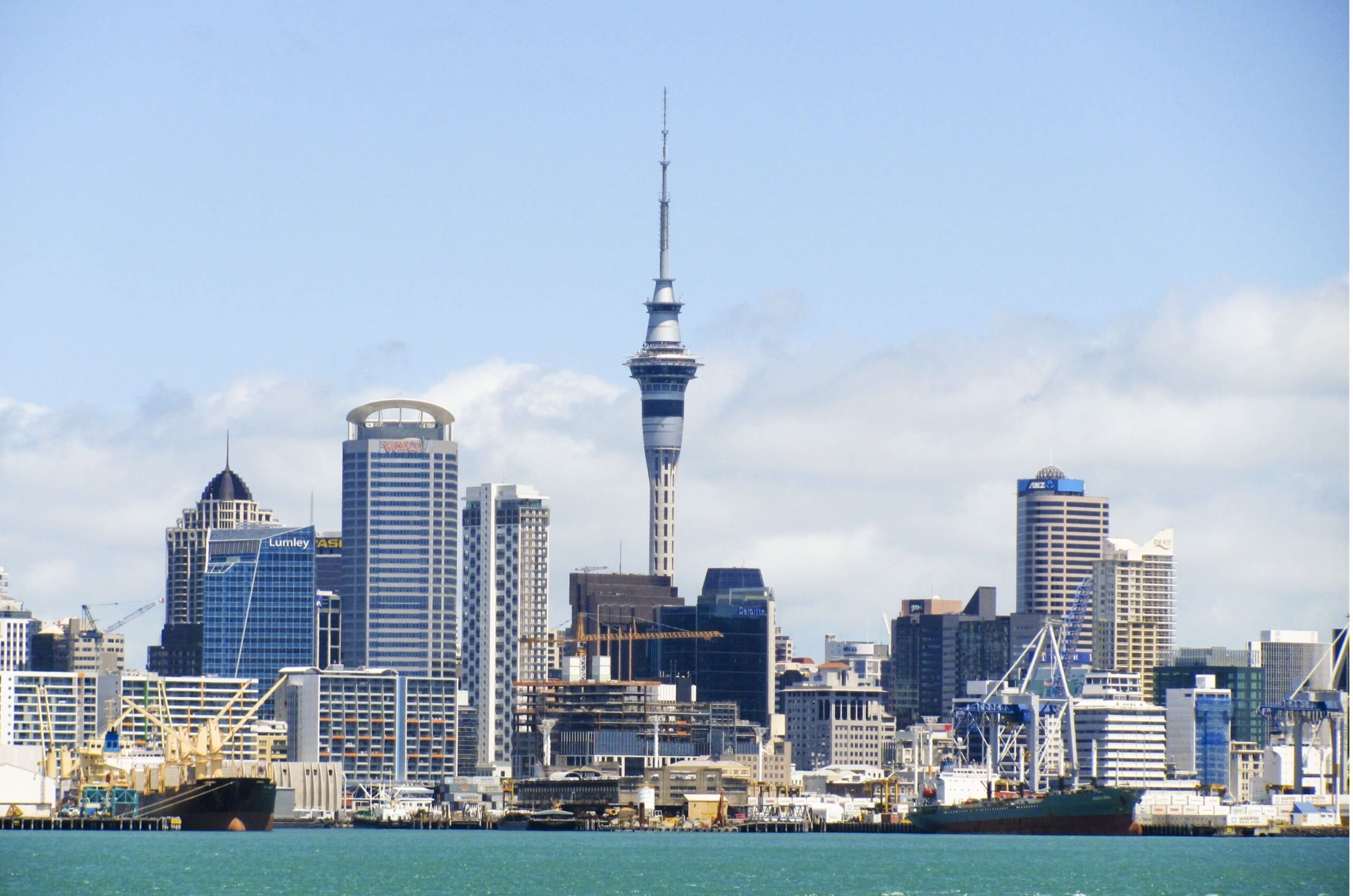
A North Island route for 8 to 10 days
Start in Auckland, then head south rather than looping too wildly. One night on arrival is enough for many travellers before moving on to Waitomo or the Coromandel. Rotorua deserves at least two nights if you want more than a quick geothermal stop. Add Taupō for the lake and volcanic scenery, then continue to Napier for a different pace and a dose of Art Deco character. Finish with two nights in Wellington.
This route gives you contrast without silly mileage. It suits families nicely too, because the driving days are manageable and there’s enough to stop for without repacking every night.
A South Island route for 10 to 12 days
Fly into Christchurch, then move through Lake Tekapo to Aoraki/Mount Cook, Wānaka, Queenstown, and Te Anau. If Milford Sound is on your list, stay in Te Anau rather than attempting it as a huge loop from Queenstown. Give Queenstown or Wānaka a couple of nights so the trip doesn’t turn into a blur of check-ins.
This route is scenic almost from the start, but it still makes sense on the map. That’s what you want — a road trip that feels like a string of good days, not a chain of recoveries.
Want someone else to do the legwork?
If all this has you sold on New Zealand but not especially keen on building the route yourself, that’s exactly the kind of thing Rendezvous Roadtrips puts together — a tailor-made self-drive, paced properly, with the ferry timing and overnight stops already sorted.
The bottom line
The smartest New Zealand road trips aren’t the ones with the longest tick list. They’re the ones with realistic driving days, a sensible ferry plan, and enough space for weather, detours, and the odd unplanned stop by a lake.
Pick fewer places. Drive a little less. Give the big views time to land. That’s usually where the best part of the trip begins.

