

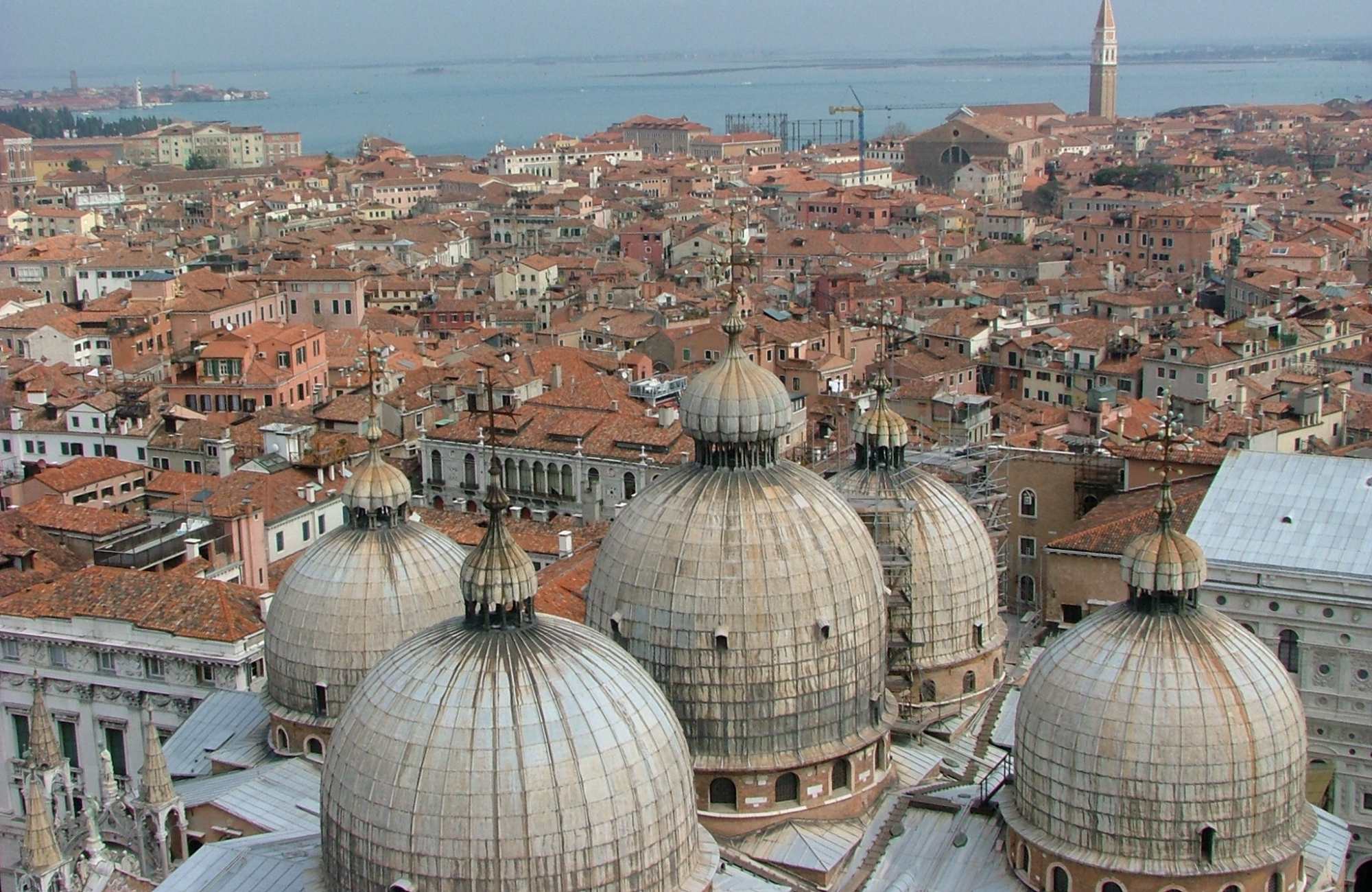
Venice changes with the calendar more than most cities. In May it can feel bright and buoyant. In August it can feel like a beautiful oven. In November the mist rolls in and the whole place turns theatrical.
So when is the best time to visit Venice? The honest answer is that it depends on what you want most — mild weather, lower prices, fewer crowds, festival energy, or that moody lagoon atmosphere that makes the city feel half real, half painting. Here’s how each season stacks up, with a clear point of view on which one tends to get overlooked.
How to pick the right time for Venice
Venice doesn’t give you everything at once. Warm weather usually brings bigger crowds. Cheaper rooms often come with colder days or a higher chance of rain. Festival dates can lift a trip but they can also send hotel prices shooting up.
The conventional wisdom points to late spring and early autumn as the safest all-round bet — the days are pleasant, the city is lively, and you’re unlikely to spend your afternoon hiding from heat or high water. That’s sound advice for first-timers.
But there’s a stronger case to be made for winter, and it rarely gets the attention it deserves. More on that below.
This quick comparison makes the trade-offs clearer:
| Season | Weather | Crowds | Prices | Main watch-out |
|---|---|---|---|---|
| Spring | Mild to warm | High at Easter and in May | Medium to high | Bank holiday crowds |
| Summer | Hot and humid | Very high | High | Heat, queues, packed vaporetti |
| Autumn | Warm to cool | Medium to high in September | Medium | Rain later in season |
| Winter | Cold and damp | Low, except Carnival | Low to very high at Carnival | Cold and shorter days |
IF YOU WANT ONE SHORT ANSWER, AIM FOR MAY OR LATE SEPTEMBER. BUT IF YOU WANT THE REAL VENICE, CONSIDER JANUARY OR NOVEMBER.
Venice in spring — lovely light and classic sightseeing weather
Spring, from March to May, is when Venice starts to stretch its legs again. Days get longer, café terraces fill up, and walking the backstreets becomes a pleasure rather than a test of stamina. Temperatures often sit somewhere between cool and comfortably warm, especially in April and May.
March can still feel unsettled — blue skies one day, a wet and windy day that sends you into churches and museums the next. Easter brings a jump in visitors, so that week rarely feels calm. Once you move into late April and May, though, Venice is often at its most inviting.
This is a good time for first-time visitors. You can wander for hours without the heavy summer heat, take a vaporetto down the Grand Canal without feeling wilted, and linger over a spritz in a bacaro rather than sprinting from shade to shade.
The downside is simple. Spring is no secret. Hotel prices rise, popular sights stay busy, and weekends can feel uncomfortably packed. In Biennale years, late spring brings an extra cultural buzz — wonderful if you love contemporary art or architecture, less so if you were hoping for bargain room rates.
Venice in summer — long days, festival buzz, and serious crowds
Summer in Venice has postcard appeal. The light lasts late, the canals glow at sunset, and evening walks can feel genuinely magical. If you’ve dreamed of the city looking golden and alive, June often delivers that in style.
By July and August, though, Venice can become hot, humid, and crowded enough to test your patience. Narrow lanes hold the heat, queues build fast, and the vaporetto can feel less like a scenic ride and more like a floating rush-hour commute.
That doesn’t make summer a bad time to go — it suits travellers who want energy, full restaurant terraces, later evenings, and a packed cultural diary. In Biennale years, exhibitions run through much of the warm season. Late August brings the Venice Film Festival atmosphere over on the Lido, which gives the lagoon a little extra glamour.
Budget matters more in summer. If you want to save without giving up easy access, staying in Mestre makes a lot of sense — across the lagoon, well connected by train and bus, and considerably cheaper than anywhere central.
Summer works best if you plan around the weather. Start early, retreat in the hottest hours, and keep evenings for longer wanders. If that rhythm suits you, summer can still be a joy.
Venice in autumn — a solid choice, but not quite as quiet as you’d hope
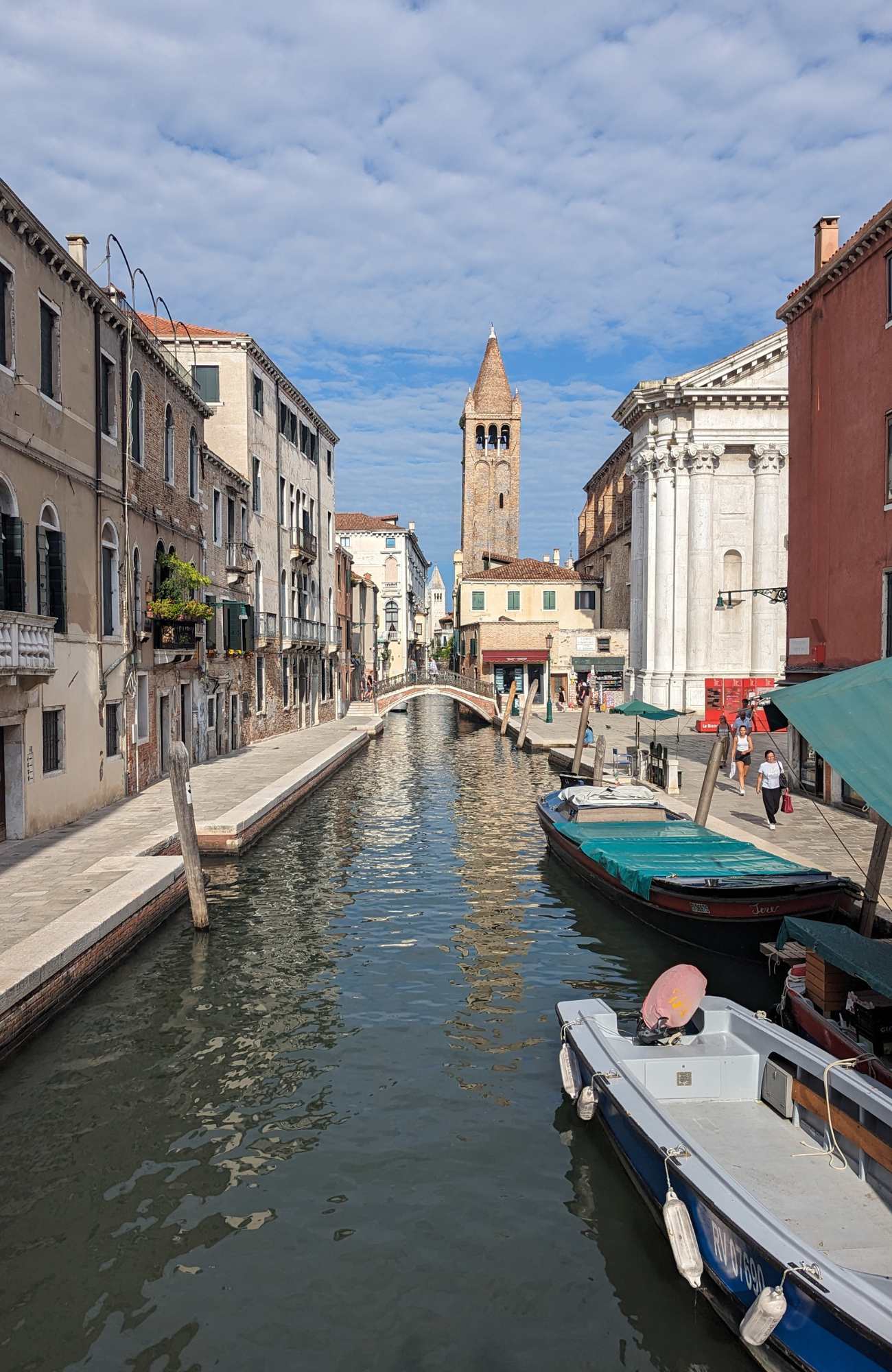
Autumn is where most “best time to visit” guides land, and there’s good reason for that. Late September and October bring softer light, more manageable temperatures, and a city that’s beginning to breathe again after summer.
September still has warmth — often enough for outdoor dining and boat trips without needing a jacket by midday. The Film Festival buzz can spill over from late August, and in Biennale years the art crowd remains in town. October is cooler and for many travellers easier — you can sightsee comfortably, museum-hop without rushing, and catch those beautiful low-light afternoons that make Venice look as though it’s been painted by hand.
But a word of honesty: autumn isn’t as uncrowded as people expect. September in particular can still feel very busy around popular sights. The shoulder-season calm that the brochures promise often arrives properly only in November — by which point you’re already nudging into winter territory anyway.
For atmosphere, autumn is hard to beat. For significantly fewer crowds, you may need to go further into the year than you’d planned.
Venice in winter — the season that rewards those who know
This is the version of Venice that most visitors miss, and it’s the one worth making a case for.
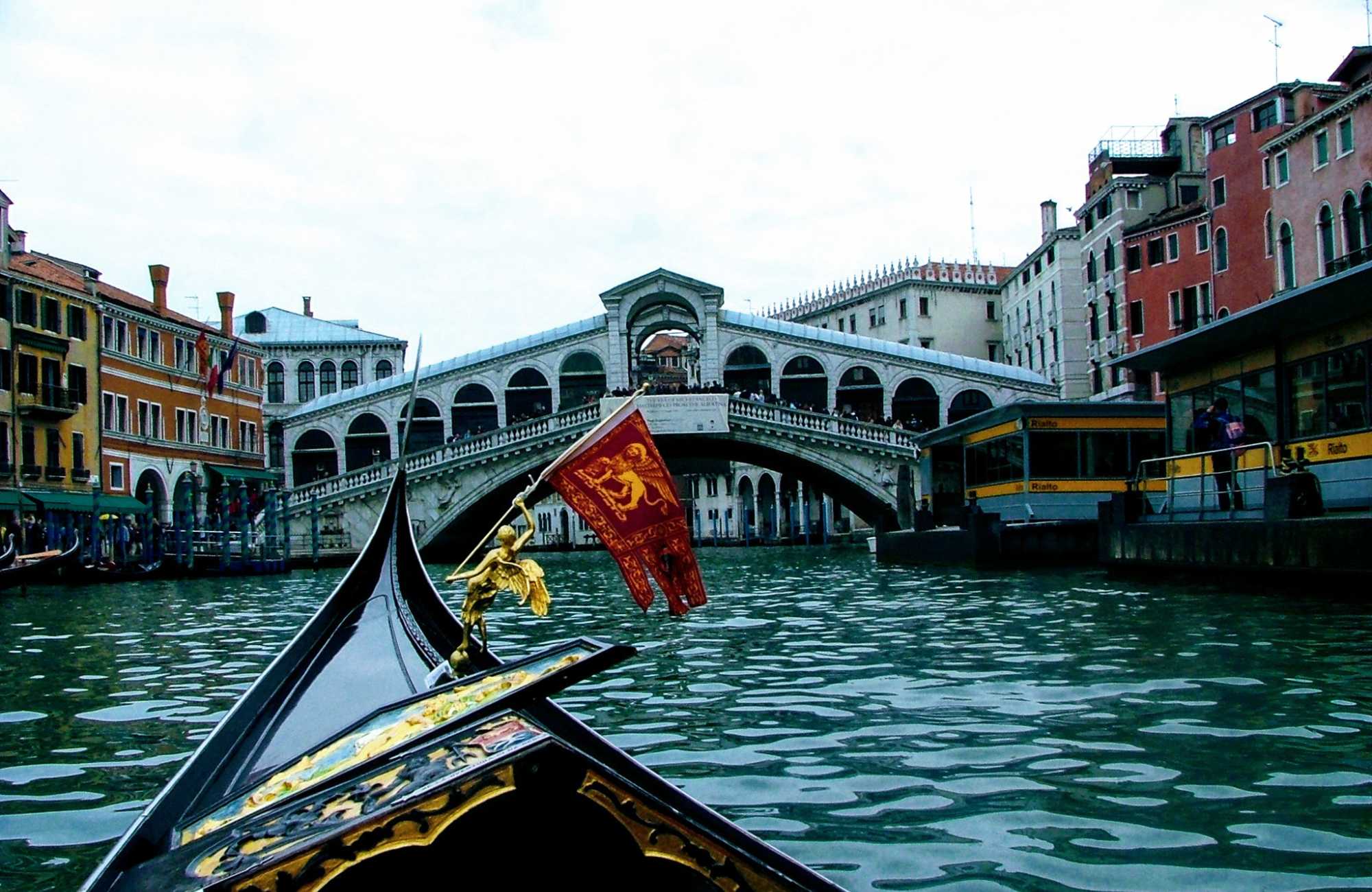
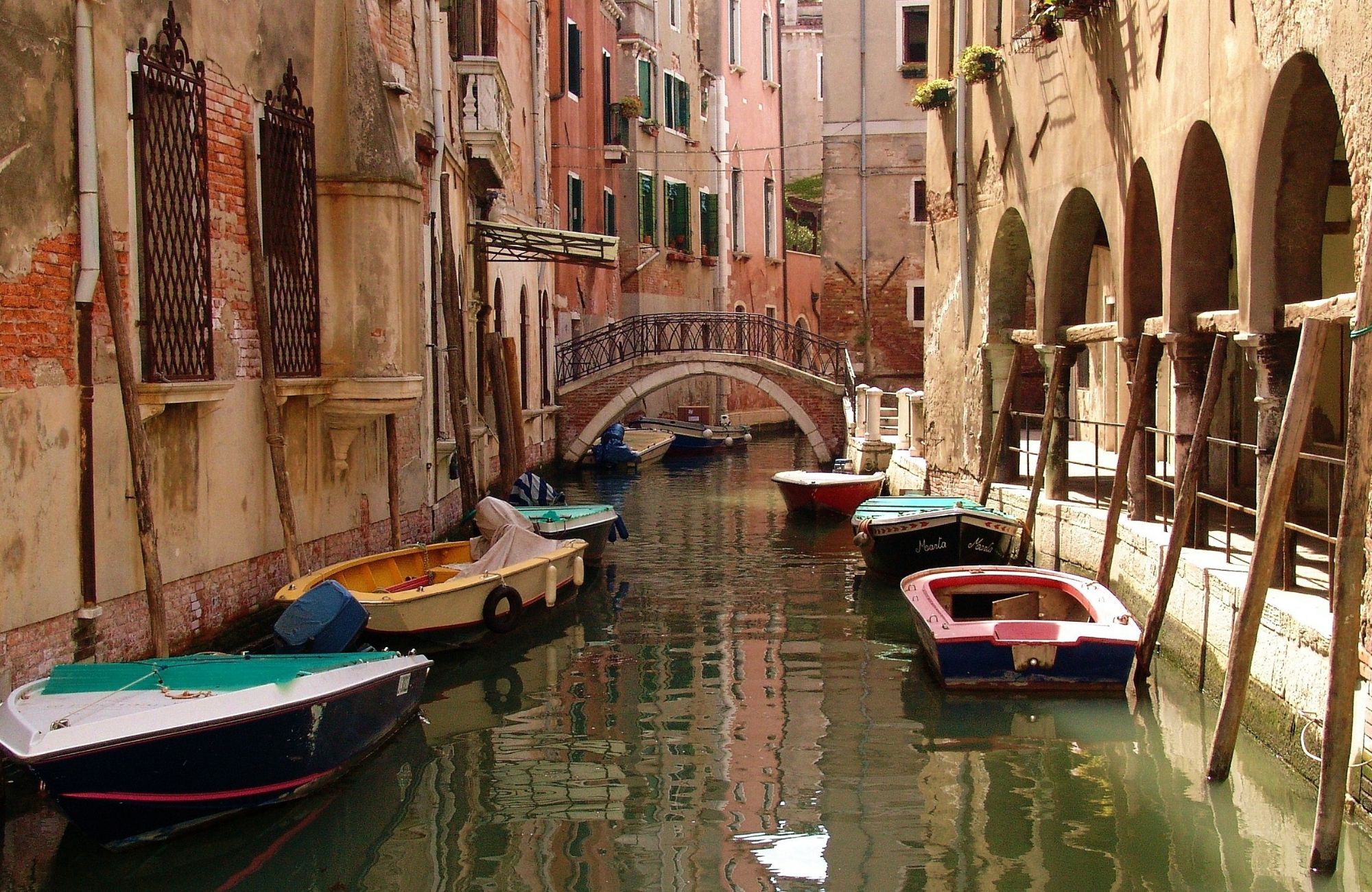
Strip away the summer crowds, the selfie queues at the Rialto, and the vaporetti packed with day-trippers, and what remains is a city that feels like it belongs to itself again. In January and early February, Venice’s calli — the narrow pedestrian lanes — become genuinely navigable. You hear your own footsteps on stone. You notice the laundry strung between buildings, the cats on doorsteps, the locals going about their lives in a city that has largely stopped performing for tourists.
The light in winter is something photographers chase specifically. Low winter sun on the lagoon, morning mist rolling across the water, the silhouette of San Giorgio Maggiore emerging from fog — these are images that summer Venice, bright and busy and beautiful as it is, simply cannot offer.
The trade-off is the cold. Venice in January is genuinely chilly and occasionally wet, with shorter daylight hours. It rewards travellers who are happy to tuck into a warm bacaro for a glass of Prosecco and a plate of cicchetti when the weather turns, rather than those who need sunshine to feel they’ve had a proper holiday.
On acqua alta — the seasonal high tides that once made winter visits unpredictable — the situation has changed significantly. The MOSE barrier system, completed in 2020 and consisting of 78 mobile barriers at the lagoon’s three inlets, now activates whenever water levels threaten to exceed 110cm. It was raised 28 times in 2024 alone and has prevented flooding on approaching 100 occasions since 2020. Venice in winter is considerably less flood-prone than it was a decade ago. Waterproof shoes and a degree of flexibility remain sensible, but acqua alta is no longer the deterrent it once was.
Prices in January are the lowest of the year, often dramatically so. The same hotel room that costs £300 a night in August may be available for under £100 in January. Restaurants are quieter and more relaxed. Staff have time to talk to you. The city feels more like a place people actually live in, and less like a permanent film set.
If you’ve been to Venice before and want to see it differently, winter is the answer. If it’s your first visit and you’re not sure, May or September are safer bets — but know that you’re seeing one version of the city, not the whole of it.
Venice at Carnival — a different kind of winter altogether
Carnival, usually in February or early March, deserves its own mention because it’s a completely different experience from quiet winter Venice.
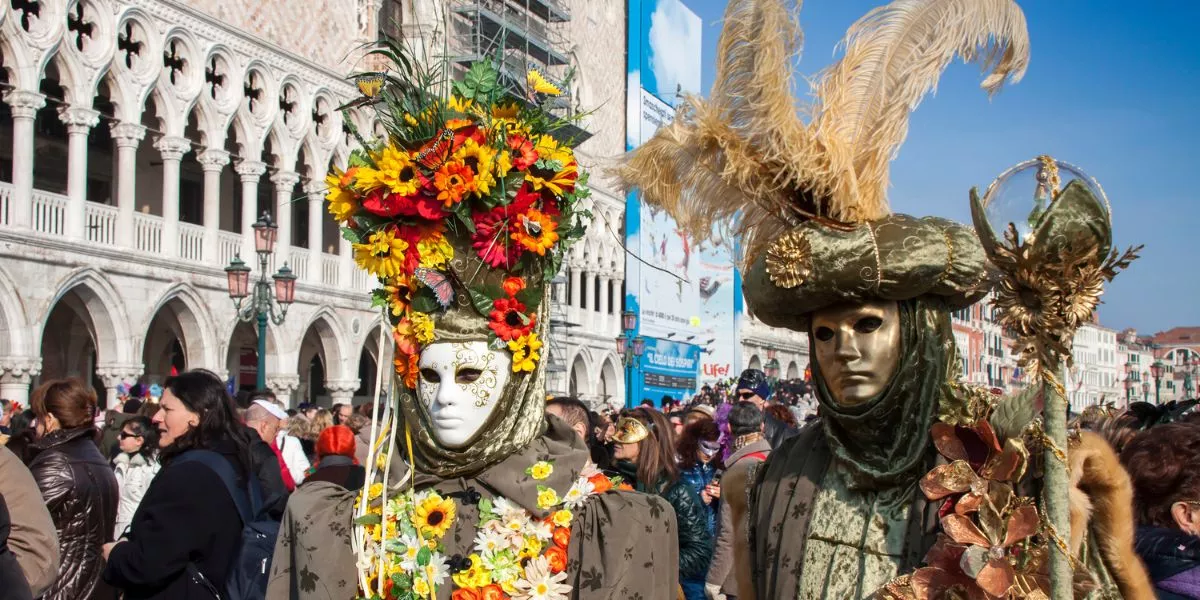
The city becomes a living costume drama — masked revellers around St Mark’s Square, elegant masquerade balls, the Flight of the Angel descending from the Campanile, street performers on every corner, and that sense that anything might happen around the next turn. It’s memorable, theatrical, and genuinely unlike anything else in Europe. We’ve put together a full guide to the top ten things to do in Venice during Carnival if you’re planning to go.
It’s also expensive and very busy — the opposite of the quiet, authentic winter experience described above. Carnival Venice is theatrical in an entirely different way.
If Carnival is your dream, book early and go all in. If you’re after quiet canals and lower prices, avoid those dates entirely.
Best months for different travel styles
For first-time visitors — May or late September. For a quieter, more authentic experience — January or early November. For the lowest prices — January is the strongest month of the year. For festival atmosphere — February for Carnival, or a Biennale year from late spring into autumn. For warm evenings without peak summer heat — June or early September. For photographers — winter mist on the lagoon and golden autumn afternoons both have serious merit, but winter is in a category of its own. For families — June or early September, when days are long but the city isn’t at its most punishing. For couples — late spring and autumn are reliable, but a winter weekend in January is genuinely romantic in a way that a crowded May weekend rarely manages.
Planning a longer Italian trip?
Venice is one of those cities that can anchor a much bigger journey. Our Italy Unveiled self-drive tour covers 19 days from Milan through Rome, the Amalfi Coast, Tuscany, Florence, and Venice — with the city properly built into the itinerary rather than squeezed into a day trip. From £3,329 per person.
Final thoughts
Venice is never one fixed thing. It can be bright and bustling, cool and quiet, festive, foggy, elegant, or gloriously chaotic — sometimes all within the same week.
The conventional advice — May or late September — is sound, and right for most people most of the time. But if you’ve ever wondered what the city feels like when it stops performing, when the lanes are quiet and the light is low and the whole place feels like a secret you’ve been let in on, the answer is winter. Specifically January. Specifically on a cold Tuesday morning when the mist is on the water and you’re the only person on the bridge.
That’s when Venice is at its most itself.

