

Toll Roads vs Free Roads in France: How to Make the Right Call
One wrong route choice can change the whole feel of a drive in France. What looks cheaper on the map can eat half your day, and what looks faster can leave you wincing at the toll total.
If you’re driving in France for the first time, the big question is simple: pay for the autoroute, or stick to regular roads? Both work. The best option depends on your budget, your time, and whether the drive is a means to an end or part of the trip itself.
Here’s how to make the call without overthinking it.
First, understand how big France actually is
This catches a lot of first-time visitors out. France is the largest country in Western Europe, and it rarely looks it on a map. Distances that seem manageable on paper — Paris to the Mediterranean, say, or Calais to the Pyrenees — can translate into genuinely long driving days. That context matters when you’re weighing up the cost of motorway tolls, because the autoroute isn’t just a faster road. On longer journeys, it can knock hours off your day.
How French toll roads and regular roads actually differ
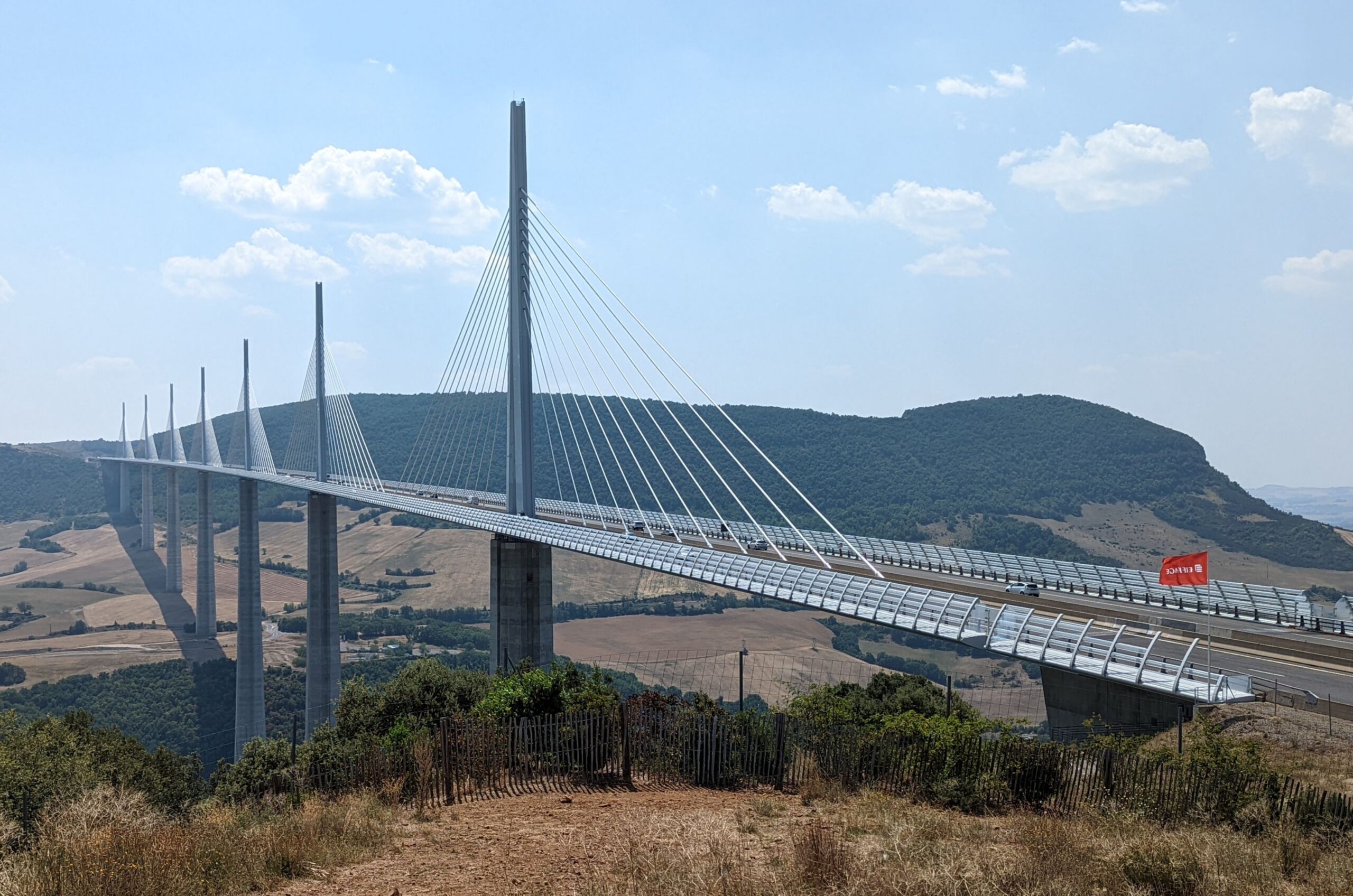
French toll roads are the main motorways, usually marked with an “A” route number. Regular roads are the free alternatives — national or departmental roads marked with “N” or “D” numbers. One is built for speed and long distances. The other is built around the places it passes through.
On an autoroute, the road surface is usually excellent, junctions are straightforward, and the journey feels controlled. You join, settle in, and keep moving. On free roads, the pace shifts constantly — a roundabout, a village, a tractor, then a stretch so pretty you forget you’re running behind schedule.
What you get on the motorways
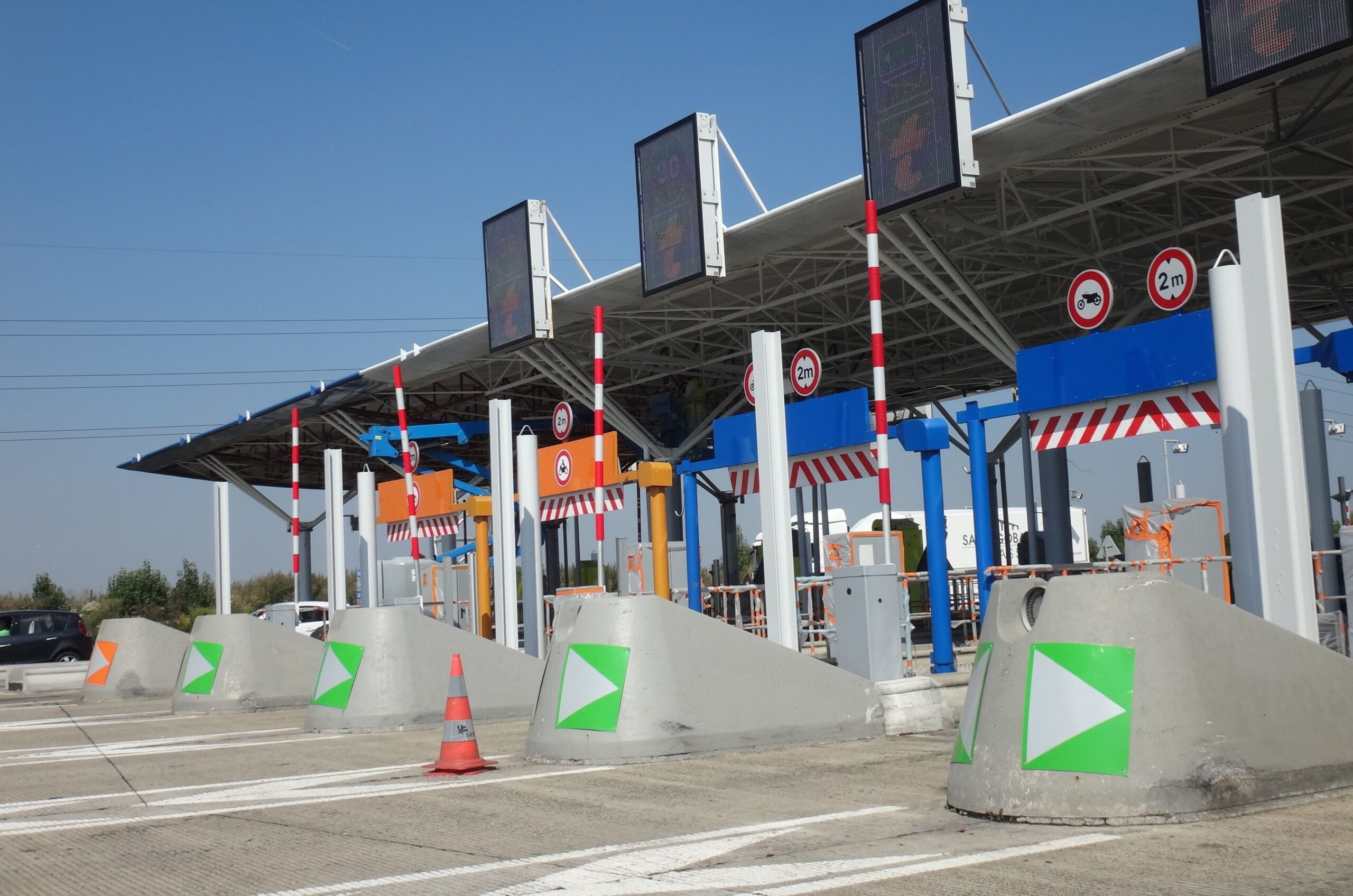
Toll roads are usually the easier option if your main goal is covering ground without fuss. Speeds are higher, traffic flows better, and there are fewer surprises. You won’t be threading through village centres or dealing with constant stop-start driving.
They’re also genuinely well set up for long journeys. Rest stops and service areas appear regularly, signposting is clear, and the route is direct. Once you understand the basic toll system — whether that’s taking a ticket, paying by card, or using an electronic badge — it becomes routine. The RAC’s guide to French toll roads is a useful overview before you travel.
One honest caveat worth knowing: driving the autoroute at night is a different experience. Long, straight stretches can become monotonous faster than you’d expect, and the safety barriers sit close to the road — there’s little margin for error if your concentration slips. If you’re tired or facing a long evening run, pull over and rest. The network has plenty of rest stops specifically for this reason.
What to expect on free roads
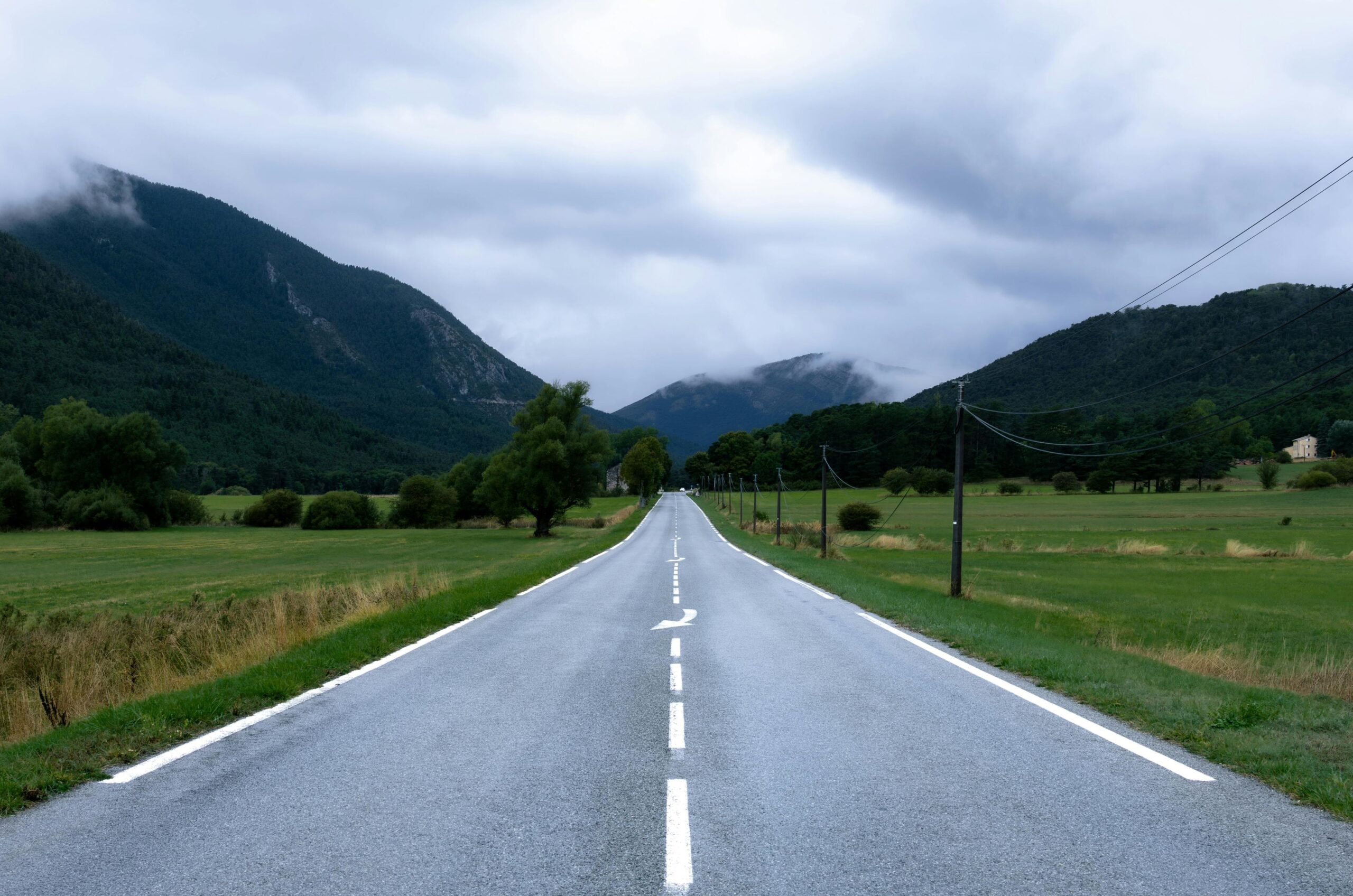
Free roads can be slower, but they can also be far more interesting. You’ll pass through small towns, skirt vineyards, and find yourself pulling over at a bakery you never planned to visit. That sounds romantic because, sometimes, it genuinely is.
The trade-off is effort. Regular roads mean tighter bends, more junctions, more speed-limit changes, and more concentration. They make sense for shorter hops, regional exploring, or travellers who’d rather see somewhere than skim past it.
When paying for tolls is worth it
Sometimes the toll is less about money and more about energy. If you’re covering serious distance, arriving after a ferry crossing, or trying to reach your hotel before dark, the extra cost buys a much easier day.
The real question is: what are you paying to avoid? Extra hours behind the wheel, constant speed changes, awkward town traffic, and the creeping tiredness that builds after too many minor roads. Looked at that way, tolls can feel less expensive than the stress they save.
For long-haul legs — Calais to Bordeaux, Lyon, or the Alps — free roads can turn a manageable drive into a slog. And if your trip has fixed points (a check-in window, a ferry to catch, a pre-booked dinner), paying for predictability is usually the right call.
Autoroutes also reduce the mental load that comes with driving abroad for the first time. You’re already adapting to French road signs, watching your speed in kilometres, and reading unfamiliar lane layouts. The motorway makes that easier — the junctions are cleaner, the traffic pattern is simpler, and the route just keeps moving.
When regular roads make more sense
Free roads aren’t the fallback option. For plenty of trips, they’re the smarter choice.
If you have time and you’re not locked into a schedule, sticking purely to the autoroute means missing a lot of what makes France worth driving through. The smaller roads are where you find the France that people picture before they book the trip: quiet squares, riverside lunch stops, plane trees lining the road, hilltop villages, and vineyards that seem to go on forever. You won’t get those from a service area sandwich and a fuel stop.
They also suit a different kind of traveller. Some people want to arrive. Others want lunch in a market town, a detour to a viewpoint, and a drive that feels like part of the holiday. France rewards that slower pace.
Tolls do add up over a long trip. A single motorway stretch may not seem like much, but a week of cross-country driving changes the picture quickly. For families, longer holidays, and road trips with multiple bases, avoiding tolls where you can makes a visible difference.
That said, free roads aren’t always the bargain they appear. A slower route can mean more fuel in stop-start traffic, more coffee stops, and more time behind the wheel. The savings are real, but they’re not always as clean as the map suggests.
What if France isn’t even your destination?
If you’re using France purely as a land bridge — heading for Italy, the Alps, or somewhere further south — it’s worth questioning the route altogether. Germany is a genuinely underrated alternative for cross-continent driving, and here’s the thing: motorway tolls there are about as common as trolls. The autobahn network is extensive, largely free, and famously fast. Depending on your start point and final destination, routing through Belgium, Luxembourg, and Germany can be just as logical as driving the length of France — and considerably cheaper if you’d otherwise be racking up péage after péage. Run both options through ViaMichelin before you commit. The difference might surprise you.
Simple planning tips before you set off
The easiest mistake is treating this as an all-or-nothing choice. It isn’t. The best France road trips use toll roads for the dull, time-sensitive stretches and free roads for the parts worth savouring.
Check at least two versions of every journey — one with tolls, one without. Google Maps handles this easily, and ViaMichelin is particularly useful because it gives toll cost estimates alongside journey times.
Look at the difference honestly. If tolls save 20 minutes on a relaxed day, they probably aren’t worth it. If they save two hours on a transfer day, that’s a different story entirely.
A rough framework that helps:
| Route type | Best for | Main downside |
|---|---|---|
| Toll roads | Long distances, fixed plans, lower stress | Extra cost |
| Regular roads | Saving money, sightseeing, short regional drives | Slower progress |
| Mixed route | Flexible trips, balanced budgets | Needs more planning |
The cheapest-looking route isn’t always the best value. A free road with heavy traffic and village after village can use more fuel than you’d expect, and cost you more in time.
Pick your route based on the kind of trip you want
Ask one question before every driving day: do you want to arrive, or do you want to explore? That answer usually tells you which road to take.
Transfer day? Take the autoroute. Wandering day? Take the smaller roads. Somewhere in the middle? Split the difference — use the motorway to clear a dull stretch, then come off when the landscape gets interesting. You don’t have to choose one approach for the whole holiday. France is often best when you mix both.

