

Some museums entertain you. This one stops you in your tracks.
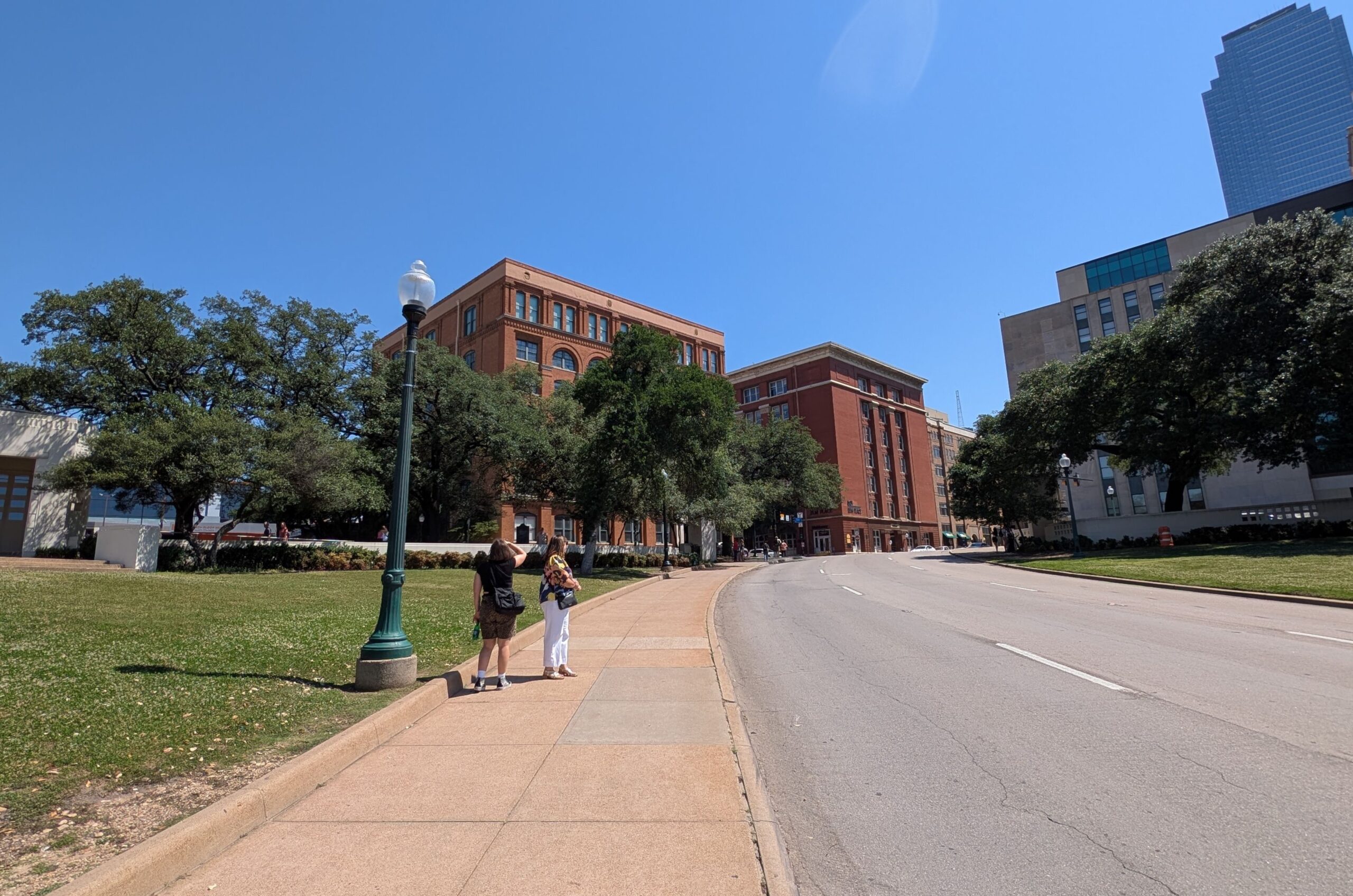
The Sixth Floor Museum in Dallas is inside the former Texas School Book Depository, the building forever linked to the assassination of President John F. Kennedy on 22 November 1963. People come for the history, but many leave talking about the atmosphere instead. It feels like a museum, a memorial, and a place to pause, all at once.
If you’re planning a Dallas trip, this is one of the city’s most meaningful stops. Here’s what makes it important, what you’ll see inside, and how to visit without feeling hurried.
Why The Sixth Floor Museum is one of Dallas’s most important landmarks
Dallas has big-ticket attractions, glossy towers, and plenty of modern polish. The Sixth Floor Museum is different. It is tied to a single day that changed American history, and that alone gives it a gravity most museums can’t match.
Set in Dealey Plaza, it draws visitors who want more than a photo stop. They want context. They want to understand what happened here, and why this corner of downtown still matters more than 60 years later.
The story behind the building and the Texas School Book Depository
Before it became a museum, this red-brick building was a warehouse. The Texas School Book Depository stored and distributed textbooks across the state. On the surface, it was ordinary. History turned it into something else.
The sixth floor became the focal point because investigators identified it as the place from which the shots were fired at Kennedy’s motorcade below. That link is why the museum is here, not in a purpose-built gallery somewhere safer or tidier.
The museum opened in 1989, after years of debate about how Dallas should remember the event. That matters. The building wasn’t stripped of its meaning. It was kept, interpreted, and opened to the public in the place where the story unfolded.
How the museum helps visitors understand the events of 22 November 1963
This is where the museum earns its place. It doesn’t rely on shock value. It builds a timeline.
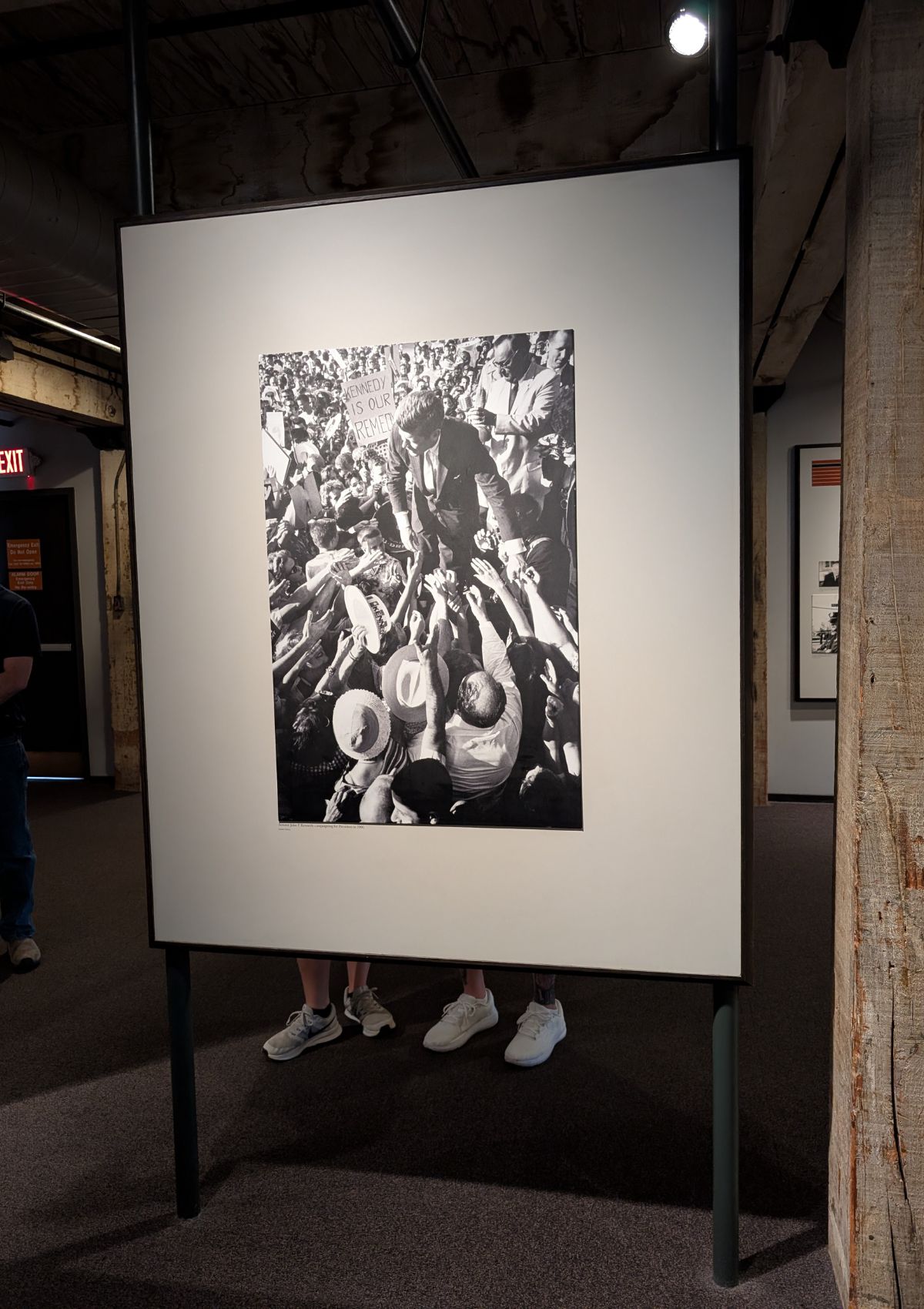
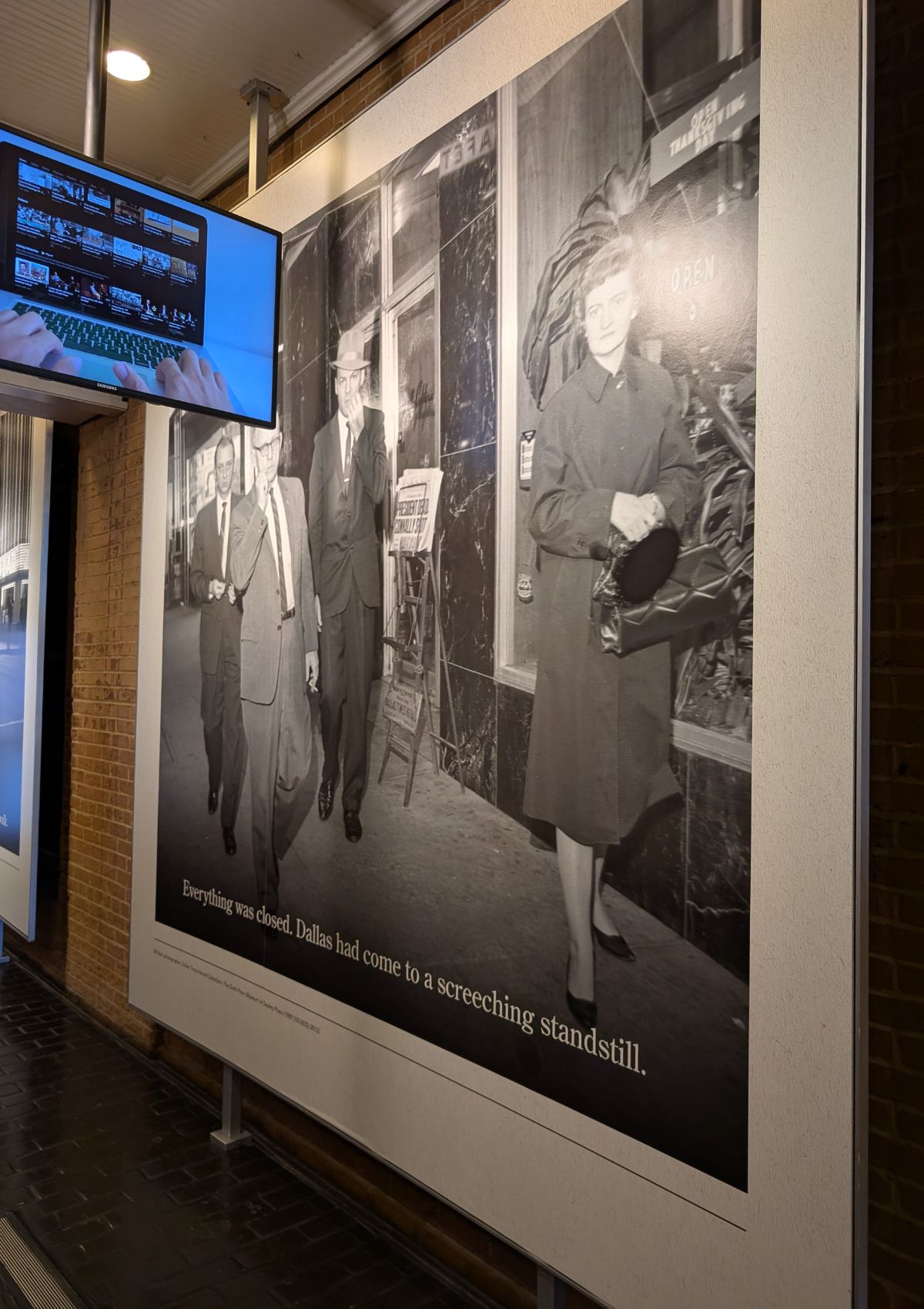
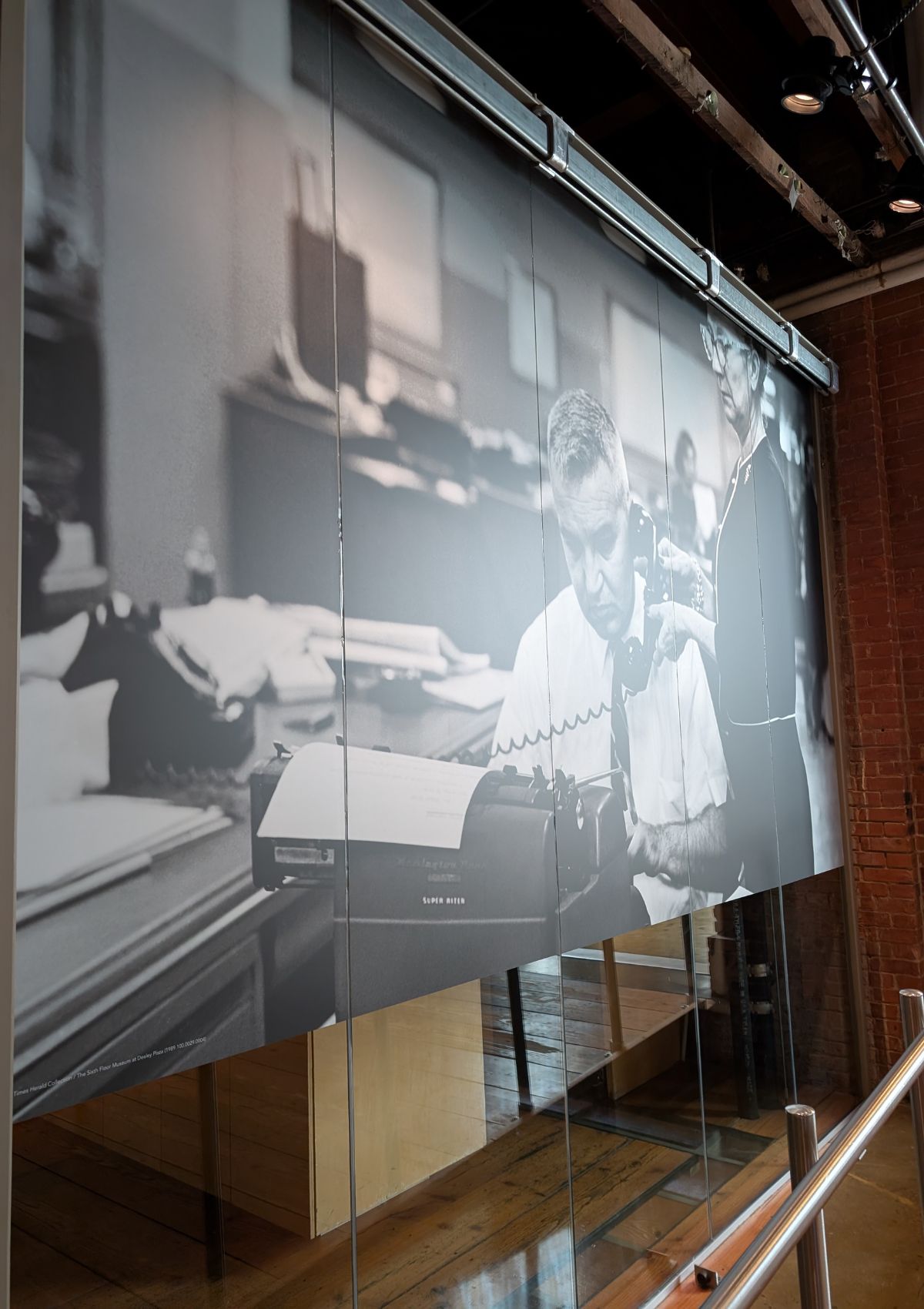
You move through the events leading up to the presidential visit, the motorcade route, the shooting itself, the investigation, and the long shadow that followed. Displays use photographs, film, artefacts, and recorded voices to piece the day together in a way that feels clear, not chaotic.
For visitors who know little beyond the headline, that’s a big part of the appeal. The museum gives structure to a subject many people know in fragments.
What to see inside the museum
The galleries are thoughtful rather than flashy. You won’t get loud effects or over-produced drama. What you get is detail, and lots of it.
That detail is what makes the museum memorable. It takes an event you’ve heard about for years and places it in rooms, objects, faces, and newspaper pages.
Exhibits, photographs, and original items that bring the history to life
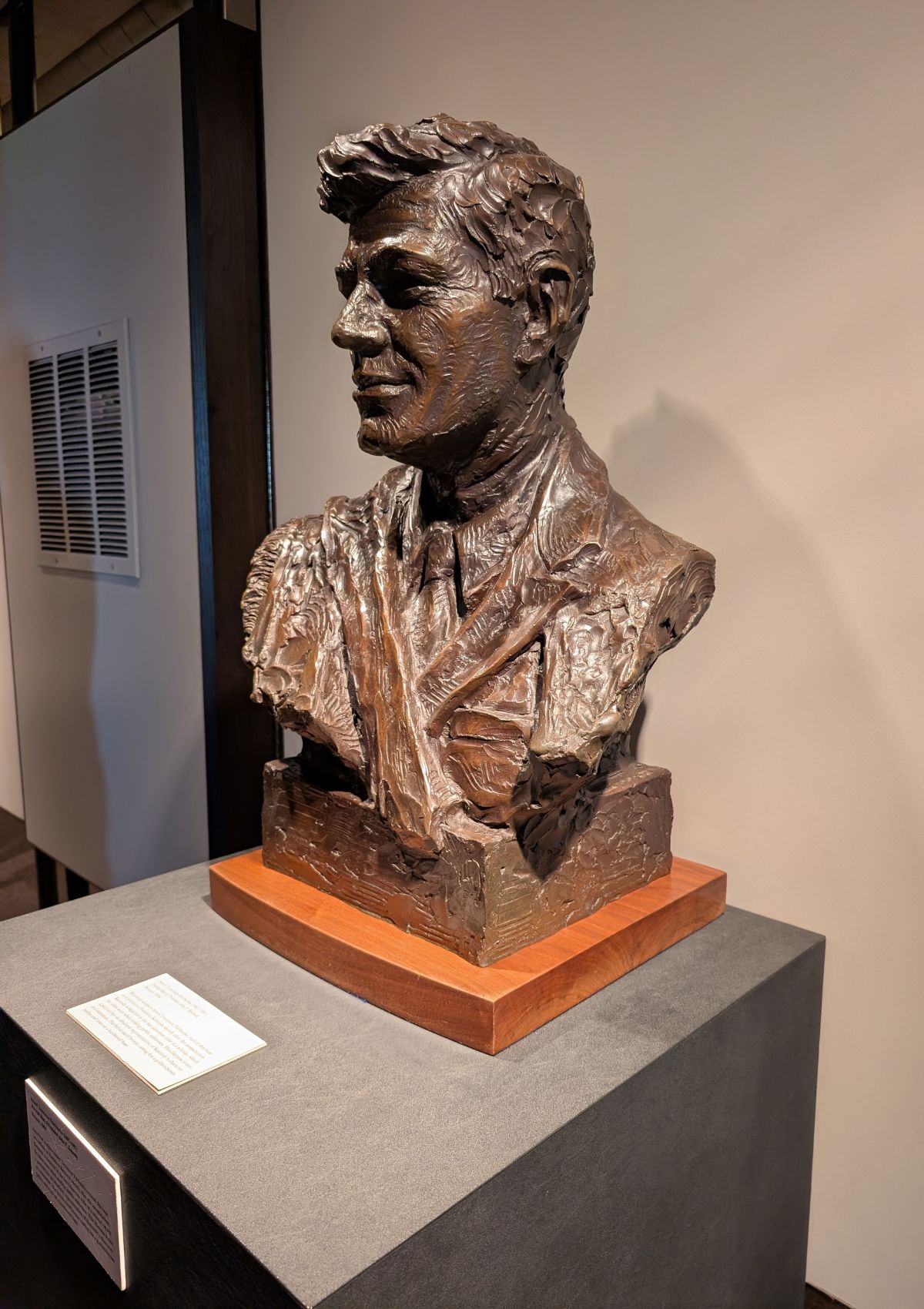
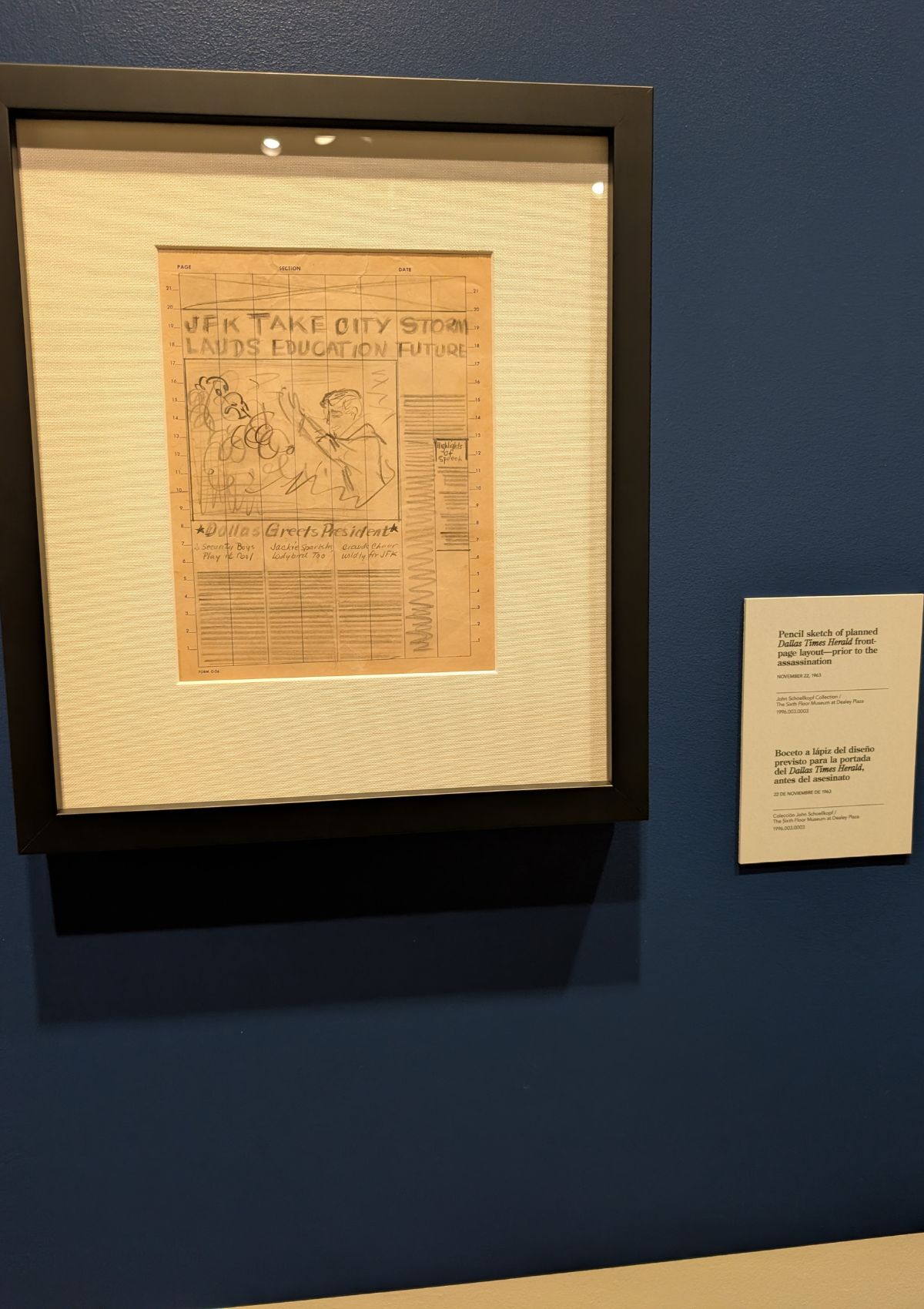
Expect a mix of archival photography, television footage, front pages, campaign material, and objects from the early 1960s. There are also displays that place Kennedy’s presidency in a wider setting, which helps the story feel grounded rather than isolated to one terrible moment.
Some of the strongest exhibits are the simplest. A newspaper page. A sequence of photographs. A film clip you’ve seen before, but now presented with dates, timing, and context. It feels less like reading a textbook and more like standing inside the frame.
That matters because this subject can easily become abstract. The museum keeps pulling it back to real people, real streets, and real consequences.
The sixth floor window and the view over Dealey Plaza
For many visitors, this is the moment that stays with them. The famous corner window area has been recreated behind glass, and nearby viewing points let you look out over Dealey Plaza.
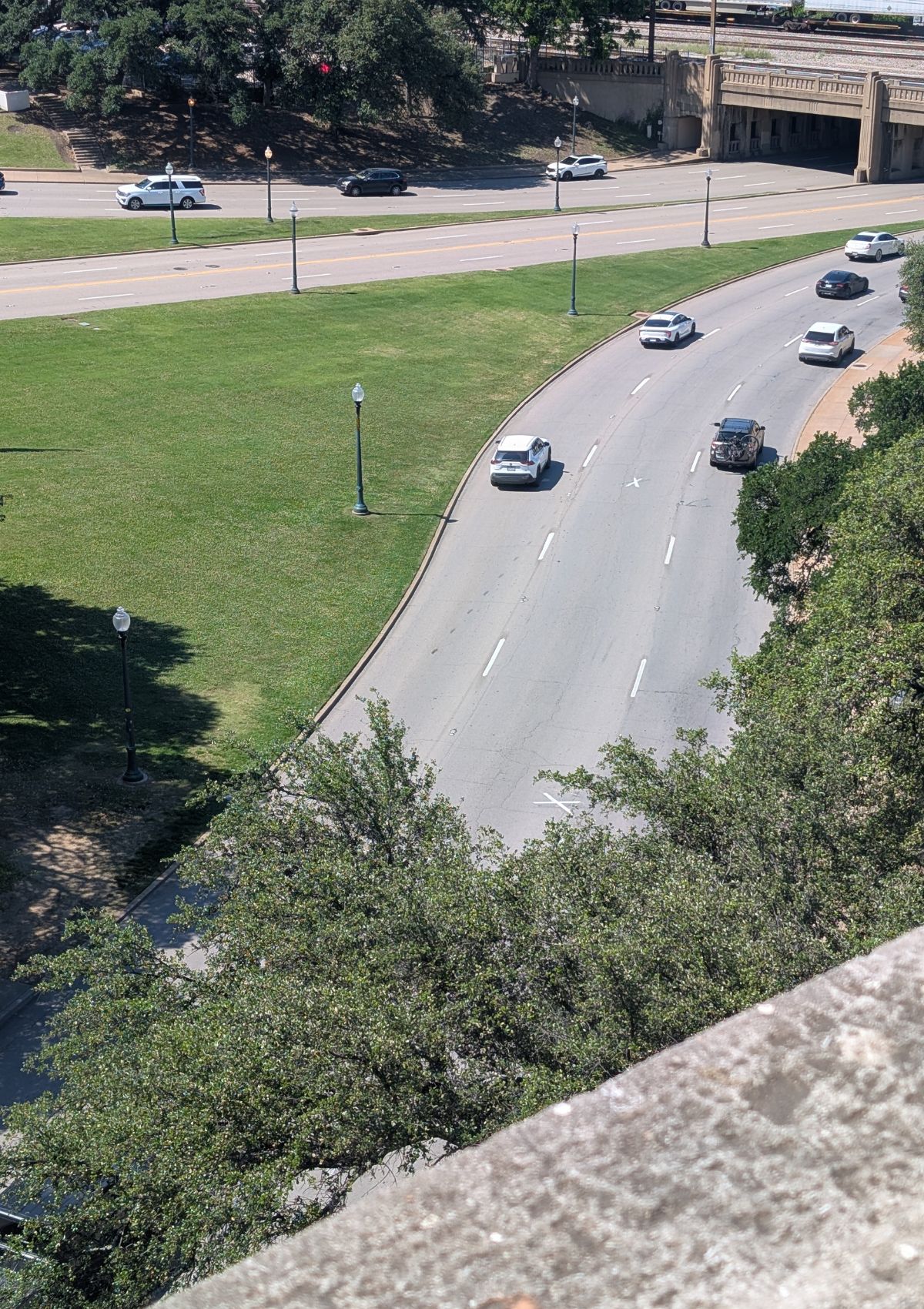
From up there, the layout clicks into place. You see the road, the plaza, the gentle slope, and the distances involved. Things that feel blurred in memory or media suddenly look starkly physical.
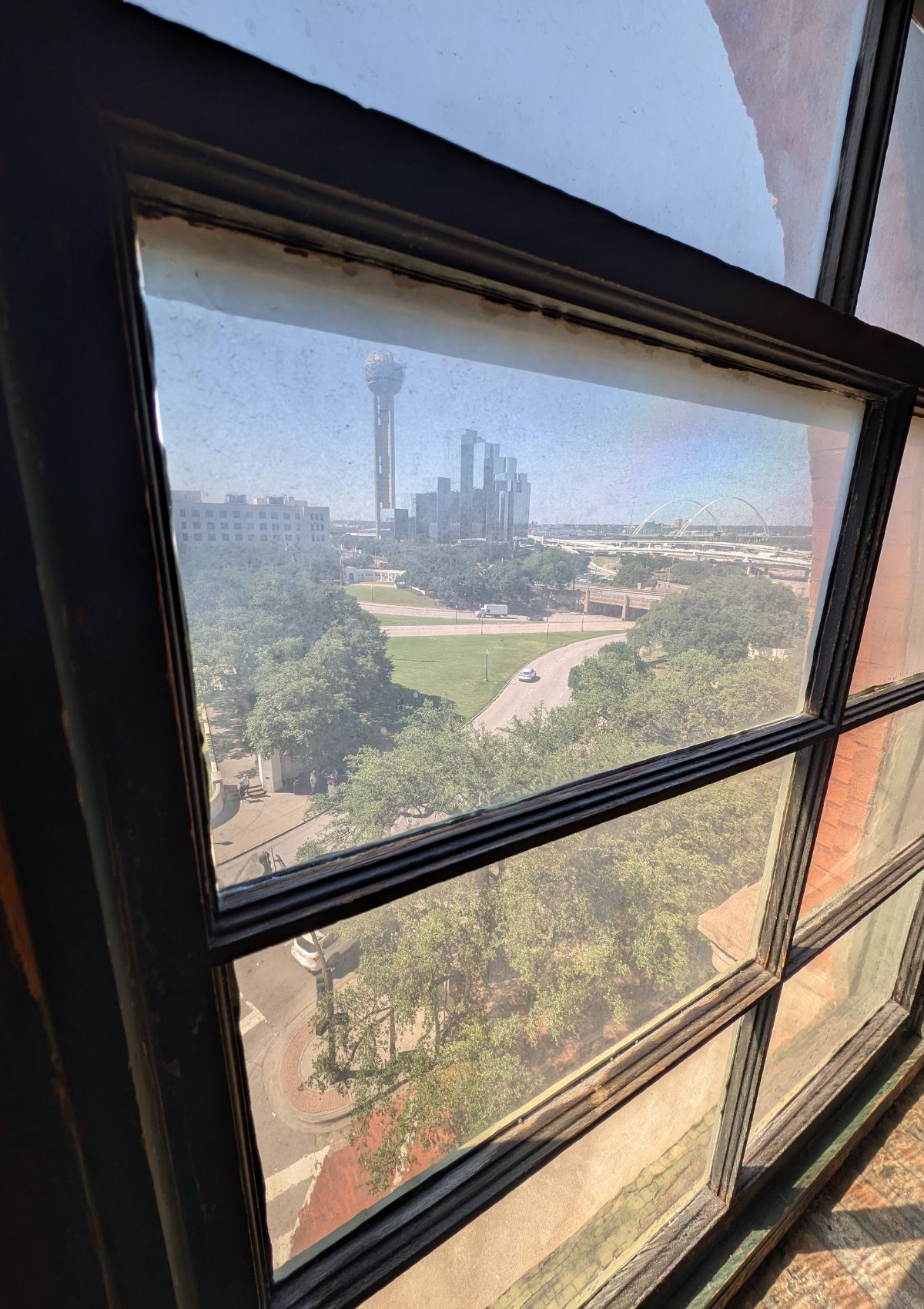
It’s a powerful view, but not because it’s dramatic. It’s powerful because it’s ordinary. That’s often what unsettles people. One of the most studied events in modern history happened in a place that still looks like a working city street.
This isn’t a museum you rush through. The weight of the place is part of the experience.
Audio guides, interpretation, and the museum experience for first-time visitors
If it’s your first visit, the audio guide is worth using. It adds pace and clarity, and it helps you connect each room to the wider timeline. You don’t need to be an expert to follow it.
Signage is generally clear, and the galleries are arranged in a way that makes sense. You can move steadily without feeling herded. Equally, you can stop, replay sections, and spend longer where something catches your attention.
First-time visitors often worry that the museum will feel too dense or too sombre to absorb. It is serious, yes, but it’s also readable. That’s an important difference.
How to plan your visit without feeling rushed
A little planning goes a long way here. The museum isn’t huge, but it carries a lot of information, and you’ll enjoy it more if you give yourself breathing room.
This quick snapshot helps:
| Detail | Good to know |
|---|---|
| Tickets | Book ahead when you can, especially at busy times |
| Time inside | Allow 90 minutes to 2 hours for a comfortable visit |
| Quieter visits | Early slots often feel calmer |
| Best mindset | Leave time to walk Dealey Plaza afterwards |
That last point is the real takeaway. The museum works best when it isn’t squeezed between two louder attractions.
Opening times, tickets, and how long to allow
Opening hours can change, so check the latest details before travelling. The same goes for admission prices, timed entry, and any temporary gallery closures.
If you only want the main story, around 90 minutes may be enough. If you like reading panels, listening to the full audio, and spending time at the windows, give it closer to two hours. Some visitors stay longer, especially if they have a strong interest in Kennedy-era history.
Booking in advance is smart. This is one of the best-known museums in Dallas, and walk-up availability isn’t always the safest bet.
Best times to visit for a calmer experience
Midday and weekends tend to feel busier. School holidays and major travel periods can add to that.
If you want a quieter visit, aim for an early entry slot on a weekday. The galleries feel easier to absorb when there are fewer people moving around you, and the reflective tone of the museum suits a slower pace.
Another small tip, avoid arriving already tired. This isn’t a place that rewards a rushed last-hour visit.
Accessibility, facilities, and visitor comfort
Because the museum is in a historic multi-storey building, it’s worth checking current accessibility information before you go. Look up details on lifts, step-free access, entrances, and toilets so you know exactly what to expect.
Comfort matters here more than you might think. You’ll be standing, reading, and listening for a while, and the material asks for attention. Sensible shoes, a bottle of water for afterwards, and a realistic timetable all help.
If you’re travelling with someone who needs a steadier pace, build in a break before or after the museum. Downtown Dallas gives you easy places to sit, regroup, and talk about what you’ve seen.
What else to do around Dealey Plaza and downtown Dallas
This part of Dallas works well on foot, which makes the museum easy to fold into a half-day or full-day plan. The key is not to dilute the experience with too much else too quickly.
A short walk around the area adds context. A slightly longer wander turns it into a fuller downtown day.
Nearby places that add context to the visit
Start with Dealey Plaza itself. Walking the streets below after seeing the view from upstairs changes your sense of distance and direction. You’ll also notice how many people come here to stand, look, and try to place the event in physical space.
The John F. Kennedy Memorial Plaza is nearby and worth a few quiet minutes. It has a different tone from the museum, more abstract, less explanatory, but it fits the mood of the visit well.
If you’re interested in the built setting, the wider West End area helps too. Historic buildings, rail lines, roadways, and open space all make more sense once you’ve been inside the museum.
Easy ways to combine the museum with the rest of downtown
For a half-day, keep it simple. Do the museum, walk Dealey Plaza, then stop for lunch in the West End. That sequence feels natural and doesn’t overload the day.
If you have longer, add the memorial and another nearby cultural stop, such as the Dallas Holocaust and Human Rights Museum. It creates a thoughtful downtown route rather than a random box-ticking exercise.
You could also finish with a skyline view at Reunion Tower or an easy walk through central Dallas. After the intensity of the museum, something open-air usually feels right.
Final thoughts
The Sixth Floor Museum is one of those places that stays with you because it doesn’t try too hard. The history is enough, the setting is enough, and the view over Dealey Plaza does more than any souvenir ever could.
If you’re building a Dallas itinerary, this stop earns its place. It’s best for travellers who like context, not just attractions, and for anyone who wants to understand why this city block still carries so much meaning.

