

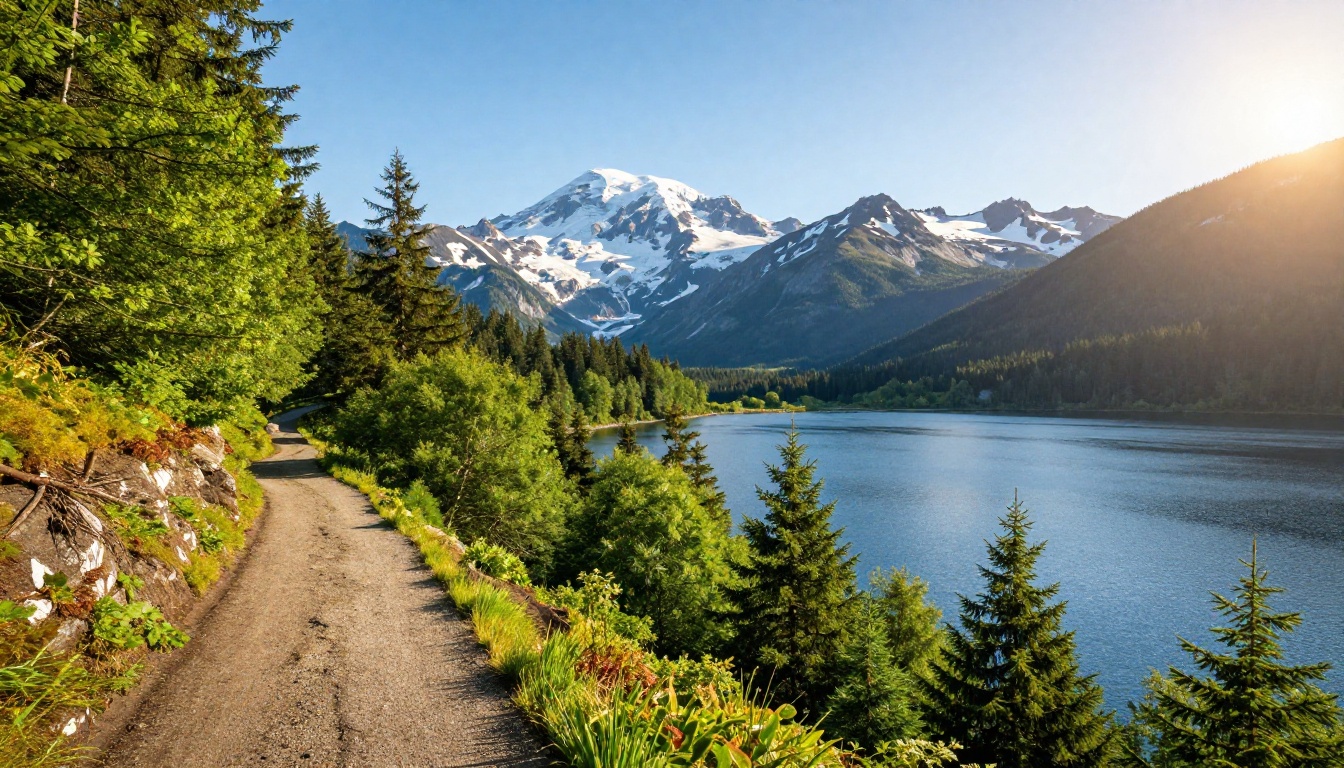
Bellingham is one of those rare places where a hiking day can look however you want it to. You can stay close to town for a shady walk, head into the Chuckanut Mountains for a proper climb, or drive towards Mt. Baker for high-alpine views that feel almost unreal.
That range is the real draw. The wider area has hundreds of miles of trails across city parks, county land, the Chuckanuts, North Cascades country, and the Mt. Baker zone. So, rather than drown in options, this guide narrows it down to seven summer hikes near Bellingham that suit different moods, fitness levels, and trip lengths.
The 7 best summer hikes near Bellingham, from easy walks to big-view adventures
These hikes are ordered in a friendly progression, from easiest to hardest. That way, you can quickly spot what fits your day, whether you want a gentle wander or a proper leg-burner with a sweeping payoff.
Lake Padden Loop, an easy shaded trail for a relaxed summer morning
Lake Padden Loop is the soft landing of Bellingham hikes. At roughly 4 km, with only a little rise and fall, it feels more like a forest ramble than a workout. On a warm day, that shade matters. Tall trees line much of the route, and the lake keeps the air cooler than the town streets.
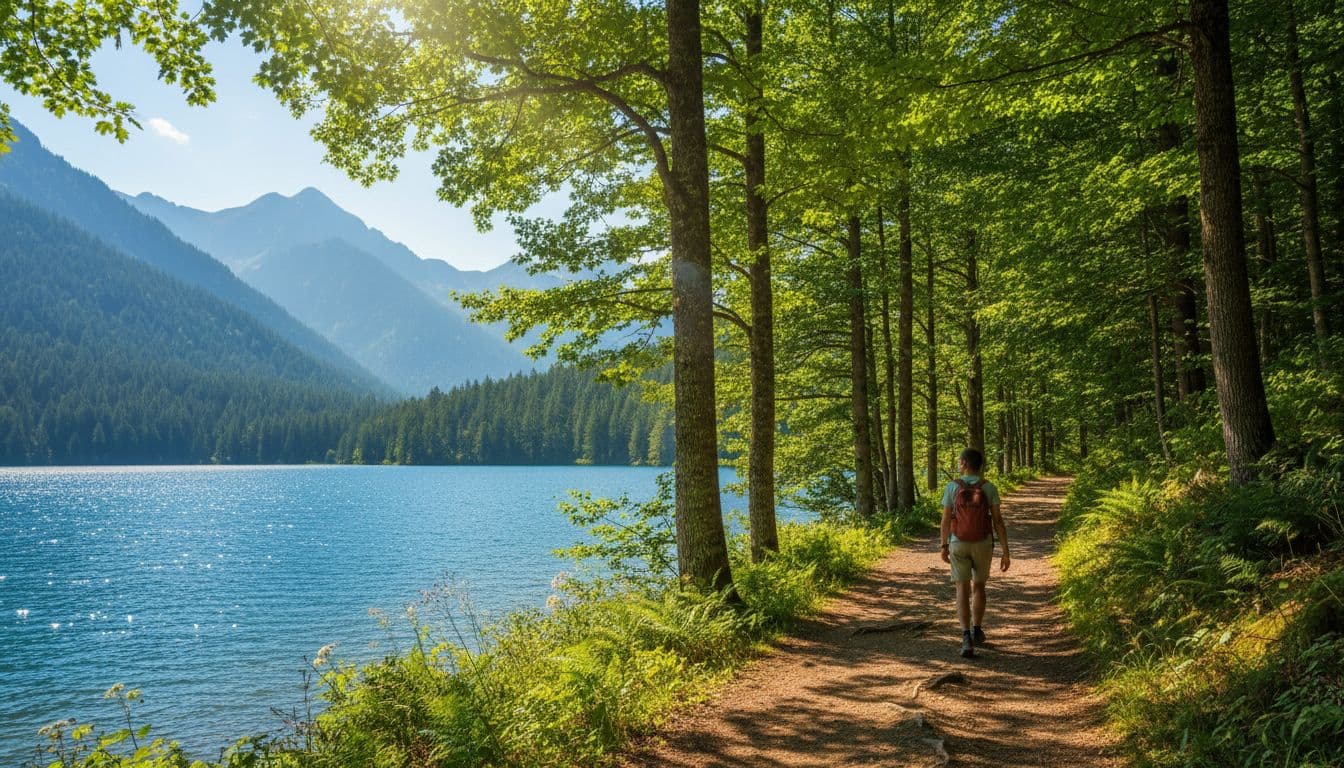
It suits families, casual walkers, and anyone arriving in Bellingham with limited time. You still get a proper outdoors feel, though. Birds move through the trees, the water flashes through gaps in the branches, and there are enough benches and picnic spots to stretch the outing into a lazy summer morning.
Because it’s a city park, access is simple. Parking is easy, facilities are handy, and no special pass is needed. In summer, the trail is usually dry, though a few damp patches can linger after rain. Go early if you can, because locals know how good this place is.
Whatcom Falls Park, a simple walk with cool forest air and a photogenic waterfall
If you want a quick win, Whatcom Falls Park is hard to beat. There are several trail options here, so you can keep it short or turn it into a longer wander through the woods. Either way, the star attraction is the waterfall itself, framed by a handsome stone bridge that looks made for summer photos.
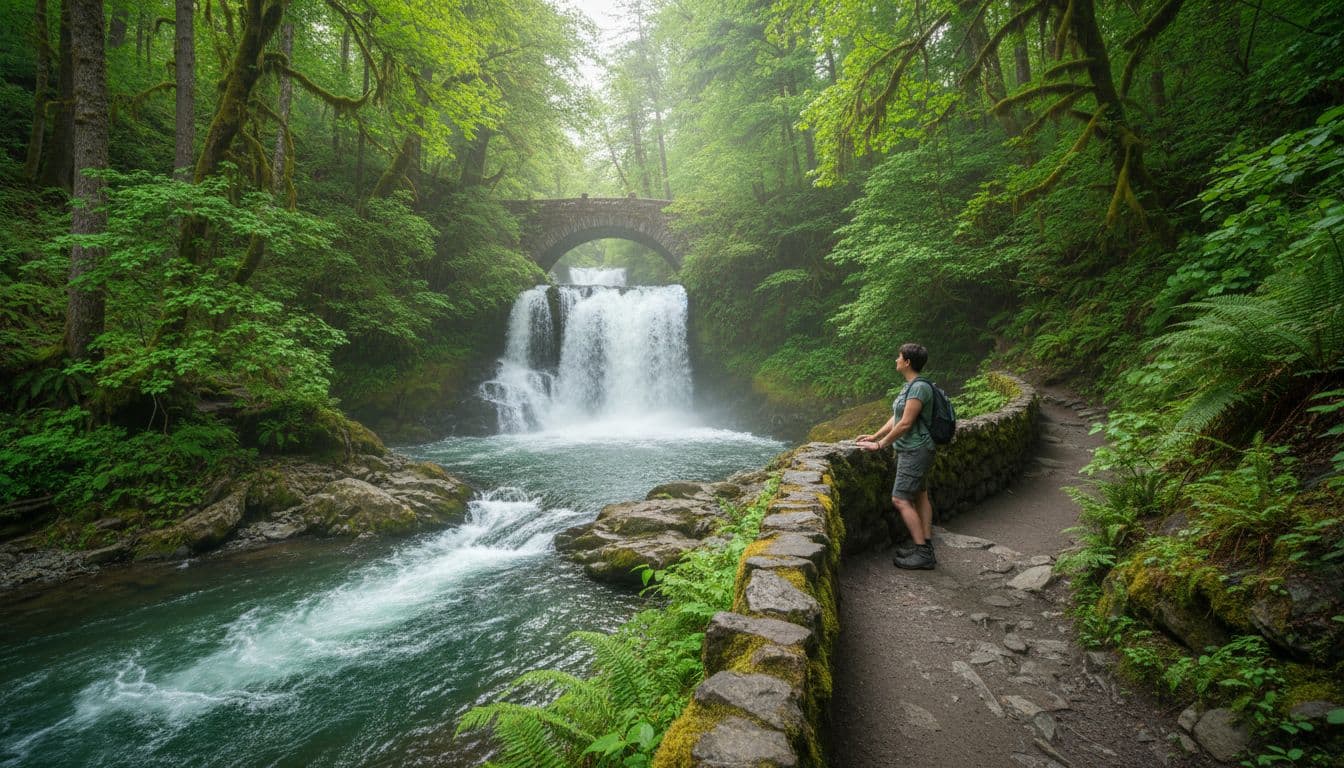
The best part is the contrast. Even on a hot afternoon, the forest stays cool and the creek brings that fresh, damp air you only get near fast-moving water. It feels rewarding without asking much from you, which is why it’s one of the easiest and most satisfying walks close to town.
This is another city park, so you don’t need a Discover Pass or a Northwest Forest Pass. Paths are generally gentle, and the main sights are easy to reach from the car park. For travellers fitting in a hike between coffee, breweries, or a waterfront stroll, it’s a brilliant choice.
Chuckanut Falls and Fragrance Lake, two classic trails when you want more than a stroll
Once you’re ready for a little more effort, the Chuckanut area comes into its own. Chuckanut Falls is a short return hike of about 3 km, with around 120 metres of climbing, and it feels like a proper woodland outing rather than a flat park walk. The waterfall is the reward, especially in early summer when the flow still has some force.
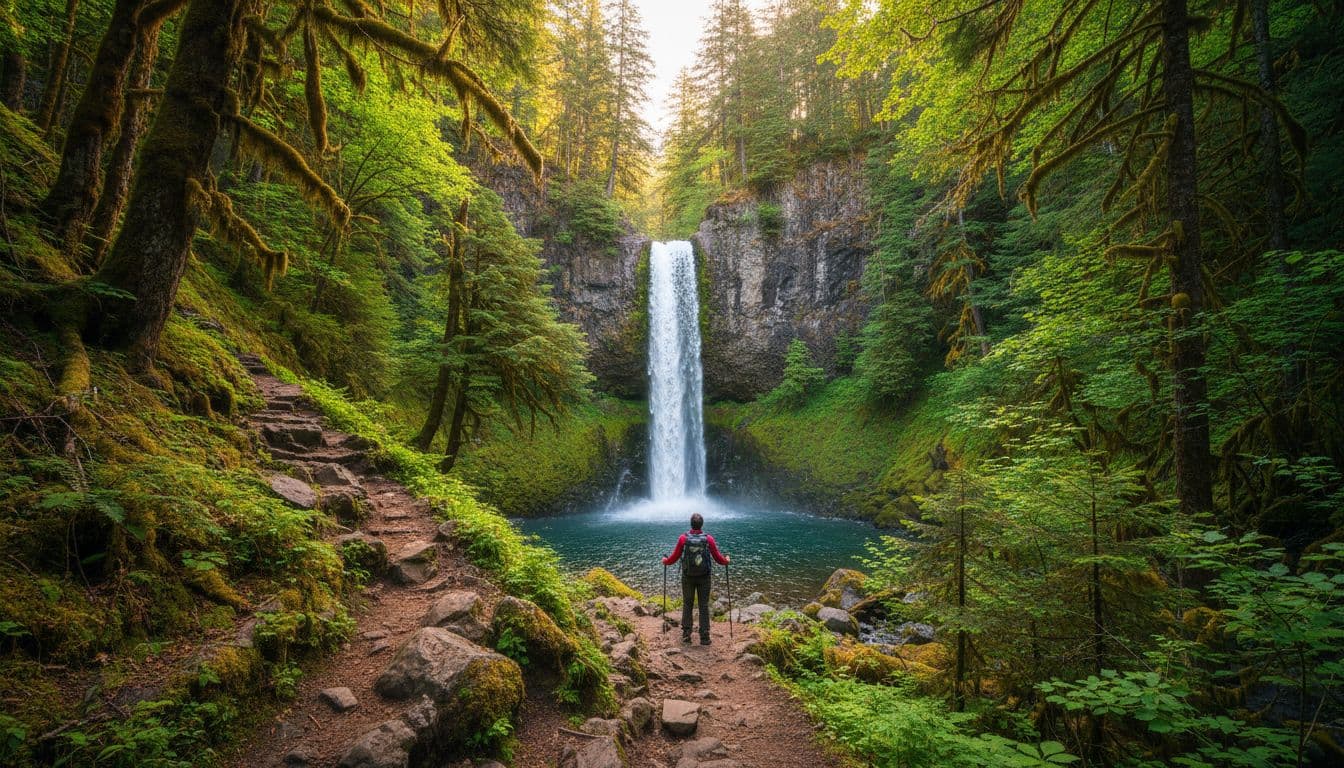
Fragrance Lake adds more distance and more climb, but also a calmer finish. The trail rises through forest to a peaceful lake, and that quiet waterside setting makes the uphill effort feel worth it. It’s a nice middle ground if you want to stretch your legs without committing to an all-day mountain route.
Both hikes have that classic Chuckanut feel, dense forest, rooty paths, and the sense that the sea can’t be far away. Trail junctions can be a bit muddled in places, so downloading a map before you set off is a smart move. Fragrance Lake sits in a state park area, so a Discover Pass is required there. For Chuckanut Falls, pass rules can vary by access point, so check before leaving.
Chain Lakes Loop and Artist Point, high country scenery near Mt. Baker
This is where the scenery shifts from lovely to jaw-dropping. Chain Lakes Loop, near Mt. Baker, is one of the standout summer hikes in the region. It’s about 11.5 km with roughly 580 metres of elevation gain, and it packs in alpine lakes, wildflower meadows, rocky ridges, and huge mountain views.
Summer is the season for it. Snow can linger well into July, so late summer usually gives the best mix of access and trail comfort. On a clear day, the whole route feels almost theatrical, like the mountains have arranged themselves for maximum effect.
Artist Point offers a different kind of gift. Because you can drive high up to Heather Meadows and Artist Point, you get huge views with far less effort. Add a short walk, such as Huntoon Point, and you can enjoy that big-mountain feeling without tackling a long alpine loop. It’s perfect if you want the Mt. Baker experience but not the full workout.
Both of these outings sit on National Forest land, so you’ll need a Northwest Forest Pass, not a Discover Pass. Also check road status before you go. The Mt. Baker Highway and high car parks are seasonal, and access often opens around July.
Oyster Dome, the hardest climb on this list and one of the best viewpoints
Oyster Dome is the tough one here, and it earns its place. Depending on your route, you’re looking at roughly 10.5 to 11.75 km return and around 550 metres of ascent. Much of the climb is through forest, so there’s a steady grind before the big reveal.
That reveal is excellent. From the top, Samish Bay spreads below you and the San Juan Islands scatter across the horizon. After all that tree cover, the open viewpoint lands with extra force. It’s like someone has pulled back a curtain.
Because the dome itself can feel exposed in summer, start early if you can. You’ll dodge some of the heat, beat the busiest parking times, and make the climb more pleasant. The drive through the Chuckanut and Blanchard area also adds to the day, with those winding roads and glimpses of coast and forest.
How to choose the right Bellingham hike for your trip
Bellingham’s appeal is variety. You don’t need to be a strong hiker to enjoy the area, but you also won’t run out of bigger goals if you want a proper challenge. The right choice comes down to time, weather, and the kind of scenery you’re after.
Best picks for families, beginners, and short summer outings
If you want an easy option, start with Lake Padden Loop or Whatcom Falls Park. Both are close to town, simple to follow, and rewarding without much effort. They work well for families, low-key mornings, or travellers squeezing in a walk before lunch.
Chuckanut Falls is the next step up. It’s still short enough for a half-day outing, yet it feels more like a hike than a park stroll. If you want one trail that bridges the gap between beginner-friendly and slightly adventurous, this is probably it.
For a quick planning rule, think of it this way: lake, falls, then forest climb. That gentle build helps you match the trail to your energy rather than overdo it on a hot day.
Best picks for stronger hikers who want lakes, ridges, and summit-style views
Fragrance Lake suits hikers who want a moderate forest climb and a peaceful finish. It’s not dramatic in the same way as Mt. Baker country, but it’s accessible and satisfying.
If your aim is big scenery, head for Chain Lakes Loop or Artist Point. Chain Lakes gives you the full alpine package, while Artist Point is the better pick if you want mountain views without a long route. In other words, one asks for more effort, the other gives more instant reward.
Then there’s Oyster Dome. That’s the best fit for people who enjoy earning a viewpoint. The climb is tougher, but the coastal panorama is different from the alpine options, which makes it a nice contrast if you’re spending a few days in the area.
What to know before heading out on a summer hike near Bellingham
A little planning saves a lot of faff later. Bellingham has city trails, state-managed trails, and National Forest trailheads, so parking rules change depending on where you go.
Parking passes, maps, and trail checks to sort out before you go
Here’s the simplest way to remember it. City parks like Lake Padden and Whatcom Falls Park don’t need a special pass. State park and state-managed sites often need a Discover Pass. National Forest trailheads, including Heather Meadows near Mt. Baker, need a Northwest Forest Pass instead.
A Discover Pass won’t cover National Forest trailheads, and a Northwest Forest Pass won’t cover state park sites, so check your trailhead before leaving.
This matters most around the Mt. Baker area. High routes such as Chain Lakes Loop and Artist Point are far more seasonal than town or Chuckanut hikes. Snow can hang on into July, and road access depends on when the highway fully opens. Check current trail reports and road status in the week before your trip.
Maps matter too. Some Chuckanut junctions can be confusing, and mobile signal can be patchy once you’re outside town. Download your route in advance and keep it handy offline.
Smart summer hiking habits for heat, sun, and busy trailheads
Summer hiking here is usually friendly, but it still pays to be sensible. Start early for popular trails, especially Oyster Dome, Chain Lakes, and Artist Point. You’ll get cooler air, better parking, and often the calmest views.
Carry more water than you think you’ll need. Bring sun cream, a hat, and snacks, even for shorter routes. Also wear proper footwear, because some sections stay muddy or rough underfoot despite the dry season.
Most of all, treat the trails well. Stay on marked paths, pack out your rubbish, and be considerate around other walkers. The region’s beauty depends on people doing the small things right, which is a fair trade for places this good.
Bellingham makes summer hiking feel wonderfully easy to build into a trip. You can keep it simple with a shady lake loop, head to a waterfall after breakfast, or spend the day chasing alpine views near Mt. Baker.
The best choice depends on your legs, your timing, and the kind of scenery that pulls you in. That’s the charm of it, though. Few places give you such a wide spread of options so close together.
Pick one of these Bellingham summer hikes, then turn it into a full day with local food, a waterside stop, or a scenic drive. The trail may be the headline, but the whole area knows how to fill in the rest.

