

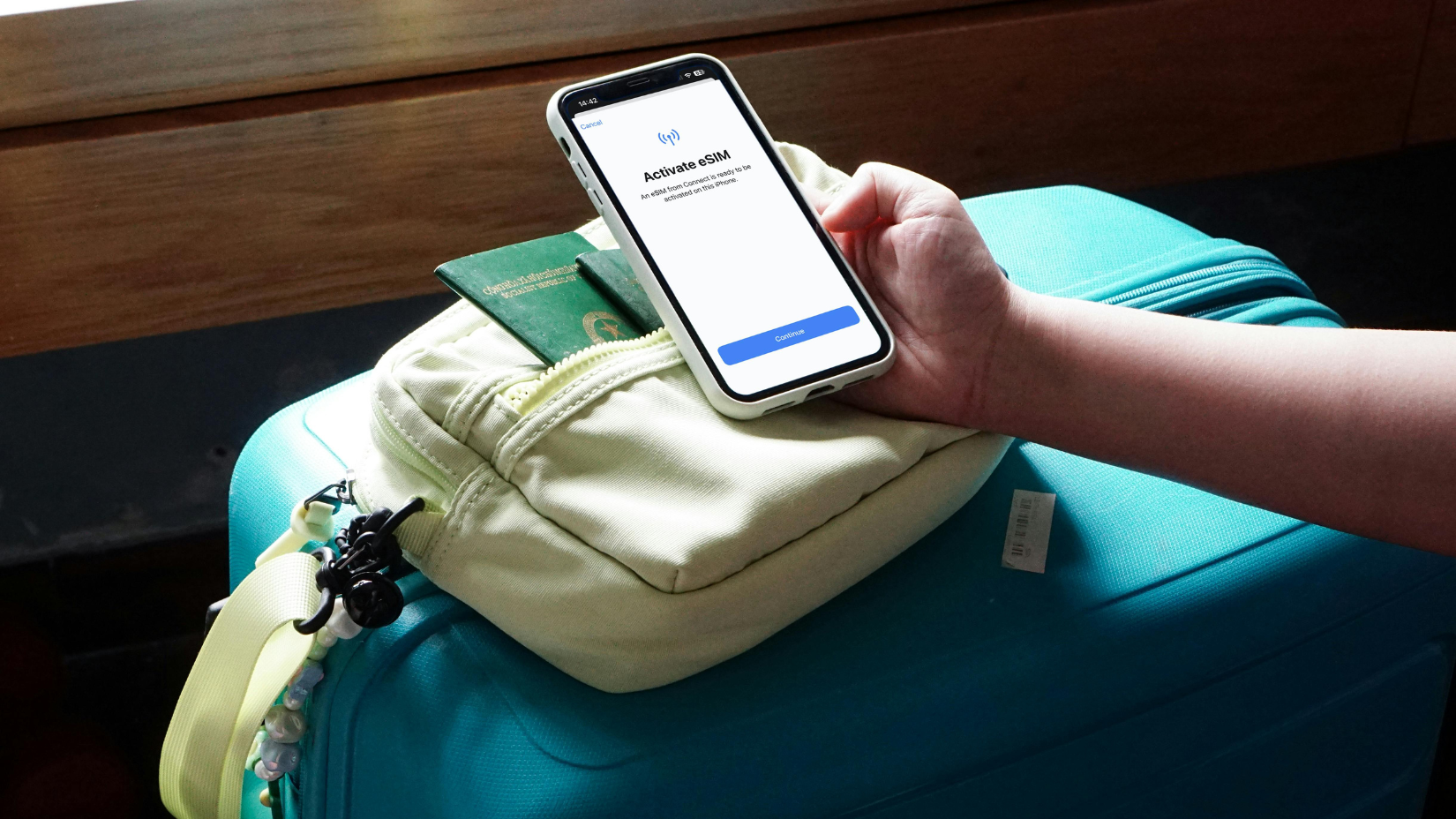
If you like the idea of easier, calmer trips, 2026 is looking very kind to you. Travel is shifting in a way that feels less rushed and more human, and everyday holidaymakers are the ones set to gain the most.
The big forces shaping travel trends 2026 are already in motion. Smarter tech (think helpful AI tools and genuinely useful apps), a stronger push for climate-friendly choices, and a hunger for deeper, slower experiences are all starting to shape how we plan and enjoy our time away.
In this post, we will look at the trends you will actually use, not just glossy buzzwords from the industry. You will see how these shifts can help you save money, travel more responsibly, and feel less stressed from the moment you open your laptop to book, to the moment you zip up your suitcase to come home.
Why 2026 Travel Will Feel Different (In a Good Way)
By 2026, travel will feel calmer, smarter, and a bit more thoughtful. Trips will not just be about how many places you can squeeze into one week, but about how a journey fits your life, your values, and your budget. People care more about value, safety, and meaning, so the old style of rushing between famous landmarks is quietly losing its shine.
Three forces are doing most of the shaping here: smarter tech, growing climate awareness, and new ways of working. AI tools and better apps will quietly sit in the background, helping you plan faster, dodge crowds, and find what actually suits you. At the same time, climate concerns are nudging travellers towards trains, low-emission flights, and stays that feel kinder to the places they visit.
Remote and hybrid work are also blurring the old line between “holiday” and “real life”. Longer trips, working from a different city for a week or two, or tagging a few slow days onto a business visit are starting to feel normal. The result is a new kind of travel that feels less like escape, and more like a richer, calmer way to live for a while.
From quick breaks to richer experiences
Short, frantic city breaks had their moment. In 2026, more people will trade three rushed weekends for one longer, richer trip where they can actually settle in. Instead of landing on Friday night and racing through a checklist, travellers want to unpack properly, find “their” coffee place, and learn how a place feels on a Monday morning as well as a Saturday night.
Burnout is a big part of this shift. Many of us are tired of living at full speed, then using holidays to sprint even faster. The stop-start airport runs, early check-outs, and twenty tabs of “top 10 sights” no longer feel like a break. So travellers are choosing to slow down, stay longer, and give themselves time to breathe. A 10-day stay in one region feels far kinder than five days in three different cities.
Richer does not mean more expensive, it means deeper. People want to:
- Try everyday local food, not only the most Instagrammed restaurant.
- Walk the backstreets, not only the main square.
- Talk to locals, even if it is just a chat with the baker or bar staff.
- Visit smaller neighbourhood markets and family-run places.
There is a growing sense that a trip should leave some kind of memory that is more than a photo in front of a monument. Travellers want to understand how people live, not only what they visit. A slow morning in a local café, watching the city wake up, now feels as valuable as a big-name attraction.
Remote and hybrid work help this along. If you can work two days from a rented flat or guesthouse, it becomes easier to stay for 10 or 14 days instead of a quick four-day blast. That extra time lets you explore beyond the centre, try the bus or tram, find a favourite viewpoint, and maybe even return to the same restaurant because the first visit felt good.
In 2026, the most satisfying trips will often be the ones that feel a bit like a temporary life elsewhere. You will come home with fewer “ticks” on a list, but a stronger feeling that you actually knew the place for a little while.
How tech and AI are quietly reshaping every trip
While travel slows down, the planning side is speeding up. AI and smarter tools are not here to take away your freedom, they are quietly becoming helpful travel assistants that live in your pocket. Instead of spending three nights buried in tabs and reviews, many travellers in 2026 will let AI do the heavy lifting, then simply adjust the results to taste.
AI trip planners can now suggest routes, timings, and ideas that fit your budget, interests, and schedule. You might say, “I want five quiet days near the sea, good for remote work, with easy train access,” and get a first draft of a trip in seconds. You still choose, tweak, and ignore what you do not like, but the boring groundwork is already done.
The benefits feel very human:
- Faster planning: No need to compare every single hotel or guesthouse yourself.
- Better deals: Smart tools flag flexible dates, cheaper routes, and fairer prices.
- Less stress: You get clear options instead of a wall of confusing choices.
- Fewer crowds: Apps can suggest off-peak times or less busy spots nearby.
Booking tools are also becoming more transparent. You are more likely to see what is included, how flexible a ticket is, and what the environmental impact looks like, all in one place. This makes it easier to choose a slower train over a short flight, or pick a hotel that takes sustainability and safety seriously without spending hours on research.
On the ground, AI quietly smooths out the small frictions. Real-time translation helps with menus and signs. Smart maps suggest walking routes that avoid heavy traffic or tourist bottlenecks. Some apps even nudge you with gentle “you might like this street market nearby” suggestions based on what you have enjoyed earlier in the trip.
The key shift is that tech is moving into the background. It supports you, then gets out of the way so you can enjoy the moment. Planning is faster, choices are clearer, and the trip itself can feel more spontaneous because the boring admin is already sorted. Instead of staring at your phone more, you can look up more, talk more, and soak in where you are.
Smart Travel Tech and AI Tools Travellers Will Love in 2026
By 2026, a lot of the boring parts of travel will feel lighter. You will still choose where to go and how you want a trip to feel, but smart tools will quietly tidy up the admin in the background. Less time wrestling with bookings, more time wandering through a market, finding a quiet café, or working from a sunny balcony.
Think of it as having a patient travel-savvy friend in your pocket. You still make the decisions, but the tech does the heavy lifting, keeps an eye on prices, and stops small problems turning into big dramas.
AI trip planners that build your perfect itinerary in minutes
Planning a trip used to mean endless tabs, half-finished spreadsheets, and a notebook full of crossed-out ideas. In 2026, AI trip planners turn that chaos into a neat, tailored outline in a few minutes.
You type (or say) what you want: your budget, how many days you have, the cities that tempt you, and the kind of traveller you are. Do you love galleries and slow lunches, or street food and late nights, or quiet walks and good Wi‑Fi for work? The AI pulls in train times, flight options, opening hours, and walking distances, then sketches a daily plan that actually fits.
A good planner in 2026 can:
- Suggest routes that make sense, so you stop zigzagging across a country.
- Build daily plans with natural breaks for meals, rest, or a swim.
- Add hidden spots, like parks, small markets, or viewpoints, not just the main sights.
- Match ideas to your budget and pace, so you do not feel rushed or broke by day three.
Where this really shines is with multi-city trips. If you want three weeks across, say, Spain and Portugal, the AI can suggest a train-first route, highlight smaller towns that fit your style, and warn you if you are packing in too much. You can then drag days around like Lego blocks until the trip feels right.
For family holidays, it feels like a small miracle. You can ask for “three child-friendly days near the sea, with a pool, short journeys, and at least one low-cost day” and get a plan that respects nap times and snack breaks. If the weather turns, you can tell the app and it reshuffles indoor activities without that classic parents’ panic scroll.
Solo travellers get a different sort of help. You can ask for busy areas in the evening, cafés good for working, or social activities that feel safe. If you wake up and feel tired, you can simply say, “make today lighter” and the AI will move things around. No guilt, no waste, just a trip that bends with how you actually feel.
The real joy is the reduction in stress. Those hours you usually spend cross-checking timings and reviews, you get back. You arrive with a flexible plan in place, but you are free to ignore it whenever something more interesting appears at the end of a side street.
Real time language help and instant translation on the go
Language barriers used to be a reason to stay on the beaten path. In 2026, that barrier is more like a low step. Translation apps, smarter earbuds, and built-in phone tools give you a quiet safety net as you explore.
Imagine sitting down in a tiny family-run restaurant, the only foreigner in the room, and pointing your phone at the menu. Within seconds, you can read enough to know which dish is fish, which is vegetarian, and which has the kind of spice you only want once. You can ask the waiter, into your phone, “What do you recommend?” and let them reply in their own language. The app does the rest.
On the street, real time translation helps with the everyday small things:
- Asking for directions without worrying how to say “left” or “round the corner”.
- Reading signs in stations or buses, so you know you are in the right place.
- Checking shop notices, like opening times or “cash only” warnings.
- Having a short chat with a market seller, even if you only know a couple of words.
Many people in 2026 use small earbuds linked to their phones, so one person speaks and the translation plays directly in the other person’s ear. It will never feel as smooth as sharing a language, but it lowers the fear. You are more willing to leave the central square and wander into a local neighbourhood where English is rare.
This does more than solve problems. It makes a trip feel friendlier. You can say “thank you” and “this is delicious” in the local language, even if you are shy. You get to understand tiny bits of humour, small stories from taxi drivers, or tips from a barista who knows a better beach two stops down.
It also helps with safety. When you can read warning signs, follow local updates, or call a doctor and still understand the basics, you feel less alone. You can check details before you agree to something, or ask for help in a way that feels clear rather than desperate.
In short, translation tools in 2026 do not replace language, they gently support you. They give you the courage to go into less touristy places, where the food is better, the prices kinder, and the stories richer.
Smarter bookings and travel alerts that save time and money
Behind every relaxed trip, there is usually a lot of quiet planning. In 2026, much of that planning happens automatically in the background, while you get on with your day.
Booking sites and apps use predictive pricing to nudge you when fares are likely to drop or rise. You can say, “watch flights from Manchester to Athens in June, under £200 if possible” and then forget about it. When the price hits a good point, you get a short alert and a simple link to book. No more daily checking, no more “did I miss the best deal?” feeling.
Flexible booking tools are also far kinder. You see, in plain language, how easy a ticket is to change, what the fees look like, and how long you have to decide. Many travellers in 2026 pay a little more for smart flexibility, then let the app rebook if needed.
The real magic appears when things begin to wobble. Good travel apps now monitor:
- Weather issues, like storms, heatwaves, or heavy snow along your route.
- Transport strikes or local protests that might shut roads or stations.
- Airport delays that are starting to build, not just the ones that have already hit.
Instead of learning about a cancelled train when you arrive at the platform, you get an early warning on your phone. In some cases, the app will quietly suggest another route, hold a backup seat, or offer a quick rebooking button. You tap once, approve the change, and your day is saved before the chaos reaches you.
The benefit is not just money, although you will probably waste fewer nights in poor hotels or pay fewer last-minute prices. It is the peace of mind that someone (or something) is keeping watch. You can sit in a café, enjoy your drink, and trust that if a problem appears on your route, you will hear about it in time to act.
Over a full year of travel, this kind of quiet support can mean fewer panicked dashes, fewer nights sleeping on airport floors, and far more stories that begin with “we almost had a disaster, but…”.
Touch free airports and hotels that cut queues and stress
Airports and hotels have not always been kind places. By 2026, many of them feel more like a smooth series of glides rather than a stop-start shuffle.
At the airport, digital boarding passes are standard. Your phone or watch holds the pass, the luggage details, and often the gate updates. You walk up to a self-service bag drop, scan your code, place your suitcase on the belt, and walk away. No long desk queue, no rummaging for printouts.
Biometric checks, where allowed and used, speed things up further. In many places you can use a face scan or fingerprint instead of boarding passes and long security queues. When it works well, you stroll through a series of short checks that feel more like a walk than a hurdle race. You still need to follow local security rules, but the whole experience feels calmer.
Hotels are moving in the same direction. Before you arrive, you can often:
- Check in via app, adding your passport details from home.
- Choose an approximate arrival time.
- Receive a mobile room key that unlocks the door from your phone.
You step into the lobby, say a quick hello if staff are free, then walk straight to your room. No long lines, no “your room will be ready in an hour” surprise if it is already past check-in time. If you arrive late at night with sleepy children in tow, the lack of paperwork feels like a small mercy.
For travellers who like less face-to-face admin, this touch free style is a relief. For those who enjoy human contact, staff are more available for real conversations, because they are not buried under a pile of forms.
There is one small note of care here. Biometric tools and digital keys use personal data, so it is always wise to:
- Check local rules and privacy policies before you opt in.
- Use strong passwords and screen locks on your devices.
- Turn off any sharing features you are not comfortable with.
Handled well, touch free travel strips out the boring friction and leaves the human moments intact. You spend less time queuing and more time actually being on your trip, whether that means a quick nap after a flight or a slow drink in the hotel bar while the sun drops behind the city.
Sustainable and Slow Travel Trends That Feel Good, Not Guilty
Sustainable travel in 2026 is less about strict rules and more about feeling comfortable with the way you move through a place. It is about choosing trips that are kinder to the planet, but also kinder to you. Longer stays, fewer frantic transfers, more trains, and real contact with local life all sit at the heart of this shift.
Think of it as travelling in a way your future self, and your host community, would thank you for. The bonus is that these greener choices almost always lead to better stories, calmer days, and memories that feel richer when you get home.
Slow travel: staying longer and moving less
Slow travel is the quiet rebellion against the “five cities in seven days” mindset. Instead of racing through a list, you pick one region, or even one town, and give it time. You walk more, you sit in cafés without guilt, and you actually see the same faces twice.
In simple terms, slow travel usually means:
- Staying in one place for longer, rather than hopping every two nights.
- Using trains or buses instead of a string of short flights.
- Building rest days into your plan, not just “collapse on the sofa when I get home”.
People enjoy this style of trip because it feels human. You unpack once, learn the route to the bakery, and stop feeling like a permanent newcomer. Stress drops when you do not have to keep checking out, hunting for your next platform, or worrying if your connection will hold.
There is also a clear climate gain. Fewer internal flights and less zigzagging cut your emissions without you needing to think about it every hour. A single train line across a country has a lighter footprint than three short hops by air, and you usually get better views as a bonus.
A couple of simple examples bring it to life:
- One coastal town for a week: Instead of ticking off three Mediterranean cities, you base yourself in one small seaside town. You swim in the same bay each morning, get to know one or two cafés, and take gentle day trips by bus or boat. By the end of the week, the person at the bakery nods in recognition and you know where to find the quiet sunset spot.
- Rail trip across a region: Picture five or six days moving by train through one area, for example northern Italy or the Rhine valley. You travel in daylight, step off in smaller cities, and walk straight to your guesthouse. No long airport transfers, no liquids drama, just a handful of scenic journeys that become part of the pleasure, not dead time.
Slow travel does not mean doing less, it means doing what you actually care about, with enough time to notice it. You come home tired in a good way, not dazed from constant motion.
Greener choices: trains, cleaner stays, and local food
Greener travel in 2026 does not require a complete life overhaul. It often comes down to a handful of choices you repeat on each trip, the kind that soon turn into habit.
Some of the easiest wins are:
- Pick rail over short flights where you can. On many routes, high-speed or regional trains link major cities in a similar overall time once you count airport travel. You board in the centre, step off in the centre, and keep your emissions lower without much sacrifice.
- Book eco-certified or low-impact places to stay. Look for small guesthouses, eco labels, or properties that mention energy saving, refillable toiletries, and fair staff conditions. You still sleep in comfort, you just back places that care about their footprint.
- Drink tap water when it is safe. A reusable bottle cuts a pile of plastic in one simple move. Many destinations now list tap water safety clearly on tourism sites or at your hotel desk.
- Choose local food over global chains. Eat what the region is proud of, not what you could order at home. Street food, small cafés, and family restaurants usually source closer to home, which means lower transport impact and fresher dishes.
These choices do not only help the planet, they keep money in the community. When you stay in a locally owned guesthouse, eat at a family-run restaurant, or buy fruit from a street stall, your holiday budget supports real jobs in that neighbourhood.
You can think of it like this:
- Chain hotel and imported fast food, money often flows out to a head office.
- Local stay and local food, more of your spend stays in the town and moves between small businesses.
Small steps still matter here. Maybe you do need one flight to reach your destination, but you then move around by train and eat local. Maybe you stay in one big hotel for a work event, but book a family-run place for the extra weekend. You do not need to be perfect for your choices to have a positive effect.
Most people find that once they start, these greener options simply feel nicer. A good train ride, a cosy guesthouse, and a plate of local food are often the highlights you tell friends about, long after you have forgotten which airline you used.
Off season and off the beaten path travel to avoid crowds
By 2026, more travellers are quietly stepping away from the most crowded months and the most famous streets. They are not giving up on beautiful places, they are just choosing their moment, or picking a nearby town that breathes a little easier.
Travelling in the shoulder season, those weeks just before or after peak, can transform the feel of a place. The weather is often gentle, prices soften, and locals are a touch more relaxed. You still get plenty of life, just without the solid wall of people at every viewpoint.
There are some very real benefits:
- Lower prices: Flights, rooms, and even activities are often cheaper when demand dips.
- More space: You can actually see the architecture, the coastline, or the art, rather than the back of someone’s head.
- Friendlier service: When staff are not overwhelmed, there is more time for small chats, tips, and genuine warmth.
Travelling “off the beaten path” does not mean trekking into deep wilderness. In 2026, it usually looks like choosing:
- A nearby second city instead of the capital, for example Lyon rather than Paris, or Bologna instead of Rome.
- A smaller coastal town one or two stops along the train line from the resort everyone knows.
- A rural area where life moves at a slower rhythm, with a small town as your base.
These choices help ease pressure on crowded spots that struggle with over tourism. When thousands of people all try to stand in the same square in the same month, local life warps around it. By spreading out in space and time, you protect some of the charm you came to see.
Selfishly, it also makes your trip nicer. A quiet side street, a table without a long wait, a museum where you can read the labels without being pushed along all add up to a calmer, richer stay. You give a little, and you gain a lot.
Community based experiences that give back
One of the most heartening travel trends for 2026 is the rise of community based experiences. These are trips where local residents are not just serving tourists, they are leading the experience and sharing in the benefits.
You will see more:
- Community-led walking tours, often run by locals who grew up in the area. They show you street art, corner shops, and social history you would never get from a standard guidebook.
- Farm stays and rural guesthouses, where you might help collect eggs in the morning, taste produce from the garden, or simply sit under a tree and listen to stories from the owner.
- Cooking classes in family homes, where you learn a couple of regional dishes at a kitchen table, rather than in a polished studio. The recipes often come with family history attached.
- Social enterprise cafés and shops, which train young people, support refugees, or fund community projects with their profits.
Travel like this feels more real because you are not only looking at a place, you are sharing time with people who live there. You hear about their everyday life, their worries, their favourite cheap places to eat. The experience bends away from “performance for tourists” and towards something closer to regular human contact.
There is also a quiet satisfaction in knowing that your money is doing more than paying a corporate bill. You might fund a language class, help keep a traditional skill alive, or support a small farm that would otherwise struggle. You get a stronger story to tell when you come home, and the community gains more than just wear and tear on the streets.
If you like the idea of this kind of travel, look out for words like “community project”, “social enterprise”, or “locally owned” in descriptions. Read a couple of recent reviews to make sure it still feels respectful and fair. Then go in with open curiosity, a bit of patience, and the willingness to listen as much as you speak.
Sustainable choices become far easier when they genuinely enrich your trip. In 2026, the happiest travellers will be the ones who slow down a little, move more thoughtfully, and leave a place in better shape than they found it, at least in the memories of the people they met.
New Ways to Travel in 2026: Bleisure, Wellness, and Micro Trips
By 2026, travel is no longer only the classic two-week holiday that you book once a year and count down to. Trips are starting to feel more woven into everyday life. Work can travel with you, rest is treated as something worth planning, and short breaks carry more weight than they used to.
Instead of one big blowout, many people now stack their year with a mix of bleisure trips, wellness breaks, and micro escapes close to home. None of these are only for full-time digital nomads or luxury travellers. They are very doable, very human ways to move, rest, and reset around a normal job, family life, and budget.
Bleisure trips: turning work travel into mini holidays
Bleisure is a simple idea with a slightly silly name. You take a work trip, then add a few days of holiday time around it. The flight, and sometimes a chunk of the hotel stay, is already covered by your employer. You just stretch the visit and add your own plans on either side.
In 2026, this is easier than ever. Remote and hybrid work mean you can often stay on for a Friday and Monday, work from a hotel desk or café, then spend your evenings and weekend exploring. The old rule that a business trip starts and ends at the airport gate has quietly faded.
Some very real-life versions of bleisure look like this:
- You travel to Berlin for a two-day conference, then stay until Sunday to stroll the canals, visit a gallery, or meet a friend who lives nearby.
- You invite your partner to join you after your meetings finish, share a couple of hotel nights at your own cost, and turn the last part of the trip into a city break for two.
- You stay on in a rented flat for three extra days, work remotely in the mornings, then explore a different neighbourhood each afternoon.
The money side is what makes bleisure so appealing. If your company is already paying for:
- Return flights or trains
- At least part of your hotel stay
- Some meals and local transport
Then your extra days become far cheaper than a full holiday from scratch. You might only need to budget for extra nights, personal activities, and any extra transport.
A few tips keep bleisure feeling relaxed, not stressful:
- Be clear with your employer about when you are working and when your personal days start.
- Pick modest goals for your free time. One or two key things per day, not ten.
- Choose accommodation that works for both work and rest, for example good Wi‑Fi, a half-decent chair, and a neighbourhood you actually want to walk around.
Done well, a work trip that used to feel like a chore turns into a short, satisfying change of scene. You come home with your meetings done and a small stack of memories from streets you would never have seen on a quick in-and-out visit.
Wellness getaways for rest, reset, and mental health
By 2026, wellness travel has grown from niche retreats to something far broader and friendlier. It is less about strict juice cleanses and silent days, and more about rest, sleep, and a mental reset. People are tired of holidays that leave them more drained than when they left. A lot of travellers now plan at least one trip a year that is built around feeling better, not just doing more.
Wellness breaks sit on a wide spectrum. At the lighter end, you have:
- A spa weekend in a nearby town, with a pool, steam room, and treatments you actually enjoy.
- A couple of nights in a quiet country inn, with real food, long walks, and early nights.
- A short coastal stay where your to-do list is limited to sea swims, a book, and a nap.
At the deeper end, there are:
- Yoga or meditation retreats, where your days are structured around classes, simple meals, and calm.
- Digital detox stays, where you hand in your phone or at least keep it locked away for most of the day.
- Sleep-focused hotels that dim the lights, cut noise, and treat a full night’s rest like a key activity, not an afterthought.
The common threads are gentle ones. Less screen time, fewer alarms, more light, fresh air, and unhurried movement. You treat your brain and body like tired guests that need a clean, quiet room for a bit.
Wellness trips do not have to be fancy or far away. A few low-key ideas often work just as well:
- Book a simple cabin or cottage within a couple of hours of home, pack easy food, and plan one good walk a day.
- Take a long weekend somewhere with easy access to nature, like a national park or a stretch of coast with safe swimming.
- Stay close to home but firm up your rules, for example no laptop, no work emails, and phone on flight mode for most of the day.
Think of these breaks as maintenance, not luxury. A three-night reset, focused on sleep and quiet, can do more for your energy than a packed ten-day dash across three capitals. You come back to your routine calmer, less brittle, and a bit more yourself.
Micro trips and weekend escapes close to home
Alongside longer stays and wellness breaks, 2026 is very kind to the micro trip. These are short, low-effort escapes, often within a two or three hour radius of home. They are popular because they tick several boxes at once: cheaper, easier to plan, and they need far less time off.
Instead of saving all your energy for one main holiday, you sprinkle your year with:
- A rail weekend to a nearby city, with one museum, one great meal, and a lazy hotel breakfast.
- A countryside bed-and-breakfast stay, with a village pub, a couple of walks, and no need to drive far.
- A coastal day trip, where you catch an early train, walk the seafront, eat fish and chips, and ride home in the evening.
These trips work well because they fit around real life. You can often leave on a Saturday morning and be back by Sunday night without touching your annual leave. Planning is light, packing is quick, and if something goes wrong with the weather, you have not sunk a huge budget.
Micro trips also sit very neatly with greener travel habits. Many of the best versions use:
- Regional trains or coaches instead of flights
- Compact, walkable towns or cities
- Simple guesthouses or small hotels
You move less, spend more time in one area, and cut down on airport stress and emissions at the same time.
The real charm is emotional, not just practical. These small escapes keep the love of travel alive between bigger holidays. You still get the buzz of waking up somewhere new, trying a different café, or seeing a river or hill line you do not see every day. A single morning swim in the sea in March can carry you through a grey week in the office.
If you like the idea of micro trips, it helps to keep a running list of:
- Nearby towns and cities you have never really explored
- Simple walking routes you could reach by train
- Local festivals or markets that give you an excuse for a visit
Then, when a cheap rail fare pops up or a quiet weekend appears in your diary, you already have one or two ideas ready to go. No big build-up, no grand plan, just a short, kind break that reminds you that travel can live in the small pockets of the year as well as in the big headline holiday.
Practical Tips to Make the Most of 2026 Travel Trends
The trends shaping 2026 travel only really matter when they reach your diary and your bank account. This is where slow stays, smarter tech, greener choices, and new trip types turn into actual plans, not just nice ideas on a screen.
Think of this section as a quiet planning session with a friend. By the end, you should feel ready to sketch a real trip that fits your budget, your values, and your current energy levels, rather than someone else’s checklist.
How to plan a 2026 trip that fits your budget and values
A good 2026 trip starts with two simple questions: how do you want to travel, and what do you care about most. Once you answer those, the rest drops into place far more easily.
A basic planning flow looks like this:
- Pick your travel style
Start with the feel of the trip, not the destination. The trends you have already seen all sit neatly here:
- Slow travel: One base for longer, fewer moves, more trains, more cafés.
- Wellness break: Sleep, quiet, simple food, nature, and low screens.
- Bleisure trip: Work plus a little holiday time, in the same place.
- Micro trip: One or two nights, close to home, low stress, quick reset.
Ask yourself what you actually need next year. Are you burnt out and craving rest, or restless and keen to see somewhere new. Your answer will guide everything from length to budget. 2. Set a clear budget early
Decide your total spend before you fall for a glossy hotel or a perfect flight time. Break it roughly into:
- Travel (flights or trains, plus local transport)
- Stays
- Food and drink
- Activities and tickets
- A small buffer for surprises
A simple rule that works for many people is:
- Aim for 40–50% of your budget on travel and stays.
- Keep 30–40% for food and everyday costs.
- Leave 10–20% for activities and emergencies.
Once you know your limit, you can ask AI tools to work inside it, rather than tempt you over it. 3. Choose dates that avoid peak crowds
In 2026, timing is half the trick. Shoulder seasons and midweek stays are your best friends.
- Look for late spring or early autumn rather than school holidays.
- Check local festival dates and big events that push up prices.
- Use flexible-date tools to see how shifting by 2–3 days changes the cost.
Often, moving your trip by one week or landing on a Tuesday instead of a Saturday can free up money for an extra night or a special meal. 4. Use AI tools to test routes and prices
Treat AI planners and smart booking tools like a patient assistant. Give them clear rules, then let them work.
You might type something like:
- “Four slow days, under £600, somewhere within 3 hours by train.”
- “Bleisure trip, three work days plus two holiday days, good Wi‑Fi, walkable area.”
- “Wellness-style long weekend, quiet, near nature, no car needed.”
Ask the tool to show you options, not a single answer. Compare:
- Train first routes versus short flights.
- One longer stay versus two quick hops.
- City centre stays versus quieter neighbourhoods.
You will start to see how your choices affect both cost and stress. 5. Match your values with your destination
Once you have a rough shape, check it against what matters to you.
If you care about sustainability, tilt your plan towards:
- Rail and coaches instead of a string of short flights.
- Eco-focused hotels, guesthouses, or farm stays.
- Fewer moves and longer stays in each place.
If you care about culture and connection, give yourself:
- Time for local tours, markets, and everyday cafés.
- At least one community-based experience, such as a cooking class or walking tour run by locals.
- Free pockets of time for wandering, not just tickets.
You do not have to be perfect. Even one greener route, one longer stay, or one local-led experience shifts your trip in a better direction.
Choosing the right tools and apps without feeling overwhelmed
In 2026, you can book an entire trip from your phone, but you really do not need twenty apps to do it. A small, reliable toolkit keeps your screen time low and your head clear.
Think in simple categories:
- Flights and long-distance travel
- Stays
- Maps and navigation
- Translation and local info
Then pick one trusted tool for each.
A practical set up might look like this:
- Flights and trains: One main booking site or airline / rail app you know well.
- Stays: One main booking platform plus direct booking when you trust a place.
- Navigation: A map app that works offline.
- Translation: A single translation app with voice and camera features.
When you test an app, look for three things:
- Clarity: Clean layout, clear prices, simple change and refund rules.
- Offline features: Downloadable maps, offline translations, saved bookings.
- Privacy: Two-factor login, clear data policies, and the option to limit tracking.
Avoid the trap of downloading every new travel app that appears on social media. If a hotel offers its own app, ask yourself if you will genuinely use it more than once. Often, your main tools will do the job just fine.
A light rule that helps is:
- If an app adds real value (for example offline maps), keep it.
- If it only adds clutter (for example a one-use promo), skip it.
Remember, tech should support the trip, not run it. If you catch yourself spending more time tweaking your itinerary on a screen than looking up from your coffee cup, it is a good sign to close a few tabs and trust the plan you already have.
Staying safe, flexible, and kind while on the road
Once you are actually travelling, the trends for 2026 all link back to three things: feeling safe, staying flexible, and moving through places with a bit of grace.
Start with the basics:
- Travel insurance you would happily use
Do not just tick the cheapest box. Look for:
- Clear cover for medical care and emergencies.
- Protection for trip changes and delays.
- Reasonable cover for electronics if you work on the road.
It is the one thing you hope you never need, but it makes a missed connection or sudden illness feel far less frightening.
- Digital copies of documents
Keep:
- Scans or photos of your passport, ID, and insurance.
- Booking confirmations for stays and major tickets.
- Any medical notes or prescriptions.
Store them in a secure cloud folder and a locked notes app, so you can reach them even if your bag goes missing.
- Check local rules before you go
A quick check saves a lot of awkwardness later. Look up:
- Entry rules and visa needs.
- Local laws on alcohol, dress codes, and public behaviour.
- Current safety advice for the region.
In 2026, AI tools can summarise official advice in plain language, which makes it easier to read and actually remember.
- Have a plan B for transport and stays
Even with smart alerts, things sometimes shift at the last minute. Before you travel, note:
- One backup route for your main journey, for example an alternative train or coach.
- A second-choice hotel or guesthouse in each stop, saved in your notes.
- How to get to the airport or station if your main transport fails.
You might never use these backups, but knowing they exist takes the edge off any wobble in your plans.
Alongside the practical side, there is the softer part of travelling well in 2026, which is about how you show up in a place.
A few quiet habits go a long way:
- Dress and act in line with local norms. Notice what locals wear on the street and at places of worship, and follow their lead.
- Use a few local words. Even a simple “hello” and “thank you” in the local language softens the edges of every interaction.
- Be patient with staff and locals. Many places are still adjusting to changing visitor numbers and new systems. A calm tone at a busy desk works far better than sharp words.
Think of yourself as a short-term guest, not a customer who owns the space. You are stepping into someone else’s everyday life for a while. If you leave them with a good story about the polite person from abroad, your trip has done something gentle and positive, even beyond your own memories.
Put all of this together and 2026 looks far less daunting. You pick a style of trip that suits your life, set a budget you trust, use a small set of tools, and give yourself room to adapt. From there, trying one new way to travel, whether it is a slow week in one town or a micro trip by train, starts to feel less like a risk and more like a very reasonable next step.
Conclusion
Travel in 2026 is quietly lining up to be calmer, smarter, and far more personal. With helpful AI tools in your pocket, greener choices that feel good rather than guilty, and new styles like bleisure trips, wellness breaks, and micro escapes, you can shape journeys that suit real life, not someone else’s idea of a perfect holiday.
You do not need to use every trend at once. Pick one to try on your next trip, whether that is staying longer in one place, swapping a flight for a train, or tagging two slow days onto a work visit. The best trips in 2026 will be the ones that feel right for you, match your values, and leave you with stories you are proud to tell long after your suitcase is unpacked.

