

If packed viewpoints and selfie sticks are starting to blur into one, it might be time to look elsewhere for your next big adventure. The most rewarding trips often happen in places your friends struggle to find on a map, not in those you see daily on social feeds.
This is where underrated adventure travel destinations come in. These are countries with wild landscapes, real contact with local life, and enough infrastructure to make travel possible without it feeling polished to death.
Travel companies are slowly catching up, with guides to underrated travel destinations and off-the-beaten-path travel ideas. If you prefer to go before the crowds, though, the window is still wide open in the countries below.
Why look beyond the usual adventure hotspots?
Classic adventure spots like New Zealand or Peru are fantastic, but they are also busy and pricey in peak months. Lesser-known countries often give you:
- More space on the trails and in national parks
- Lower costs for food, transport, and activities
- A stronger sense that you are seeing real daily life, not just a stage set for tourists
There is also a gentle responsibility here. Spreading visitors across more places can reduce pressure on over-visited sites and support communities that have fewer options. Done well, picking underrated adventure travel destinations is good for you and for the people who live there.
Let us look at seven countries that are ready for a big adventure in 2026, without feeling overrun.
Albania: Mountains, empty beaches, and warm guesthouses
Albania is still hiding in plain sight between Greece and Montenegro. It has a sparkling Adriatic and Ionian coastline, rugged peaks, and a capital, Tirana, that feels creative and young.
For a serious trip, base yourself in the north around Shkodër for hiking in the Accursed Mountains. The classic Valbona to Theth trail is a full-day hike with steady climbing, best for reasonably fit walkers. Down south, you can mix lazy days on the Albanian Riviera with side trips into Llogara National Park.
Roads are narrow and driving is fast, so many visitors choose buses or local drivers instead of self-drive. Protests sometimes flare in Tirana, but they are usually easy to avoid. Check recent news and skip large crowds.
Family-run guesthouses and small hotels are common, and many include homemade dinners. It is one of the easiest places in Europe to travel in a low-key, sustainable way simply by choosing local places to sleep and eat.
For more ideas around this part of Europe, have a look at these emerging travel gems.
Georgia: High Caucasus peaks and deep wine country
Georgia sits between Europe and Asia and feels a little like both. Tbilisi is a relaxed starting point, with sulphur baths, peeling balconies, and a lively restaurant scene.
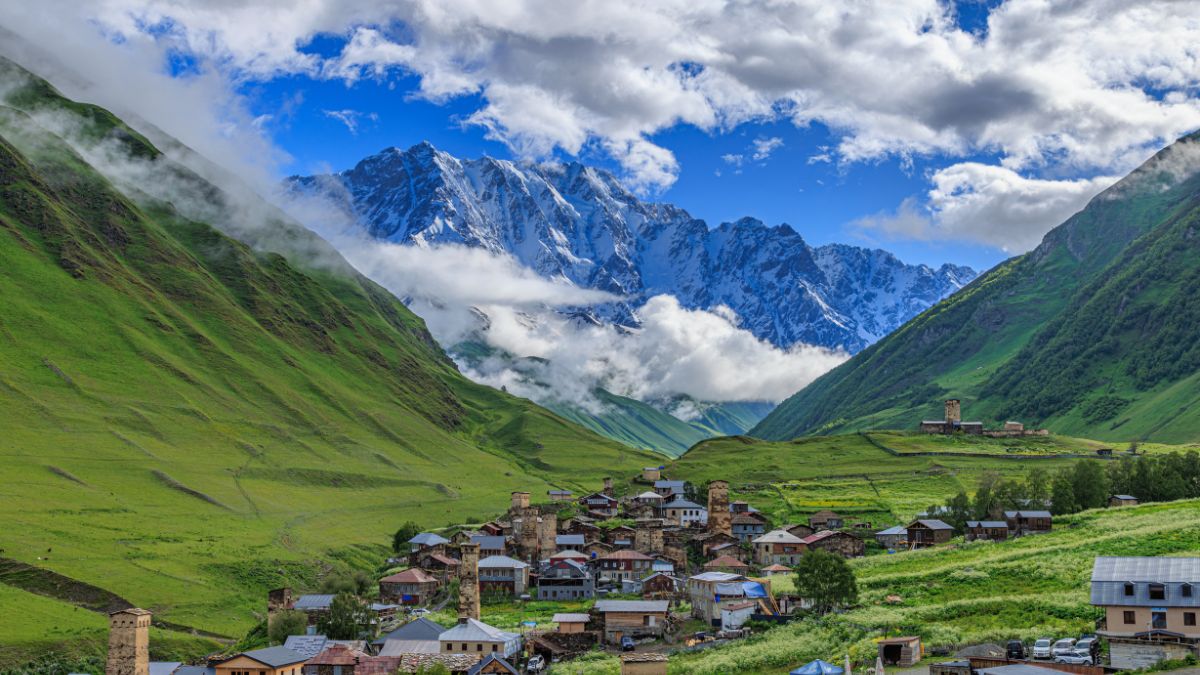
For a big adventure, most people head to the mountains. Kazbegi (Stepantsminda) has day hikes with glacier views, while Svaneti feels wilder, with multi-day treks between stone tower villages. Trails range from easy valley walks to steep passes that need good weather and proper kit.
The country is generally safe and very welcoming. Do avoid the border regions of Abkhazia and South Ossetia, which are off-limits. In the rest of the country, common sense city habits work fine.
Wine is a huge part of Georgian identity. Many small wineries in Kakheti are family run, and staying in a guesthouse there supports rural communities directly. Just remember to pace yourself if you are hiking the next day.

Kyrgyzstan: Yurt camps, alpine lakes, and proper mountain days
If you like the idea of the Alps without the prices, Kyrgyzstan should be high on your list. Around 90 percent of the country is mountains, which gives you near-endless trekking and horse-riding routes.
Bishkek is the usual entry point, but the best adventures sit around Karakol and Lake Issyk-Kul. Popular routes like the Ala-Kul trek are tough in places, with steep climbs and high passes, so they suit hikers with some experience and decent fitness. Horse treks are a gentler option and are often guided by local herders.
Crime against visitors is rare, though you should watch your wallet in busy markets. Political protests come and go, but they tend to be short and focused in big cities. In remote valleys, the bigger concern is the distance to medical help, so travel with a basic first-aid kit and do not push your limits.
Stay in yurt camps run by shepherd families where you can. Your money goes straight into mountain communities, and you get homemade bread, strong tea, and star-filled skies in return.
Mongolia: Roads to nowhere and nights under big skies
Mongolia feels built for slow, long journeys. Once you leave Ulaanbaatar, the tarmac often fades into dirt tracks, and the scenery does the heavy lifting.
Classic routes include loops through the Gobi Desert to see sand dunes, canyons, and dinosaur fossil sites, or journeys to Khuvsgul Lake in the north for hiking and horse riding. Most travellers hire a driver and guide or join a small group trip, since public transport is patchy once you leave the main corridors.
The country is very safe, with low crime and famously kind hosts. The real challenge is comfort. Toilets are often simple, showers irregular, and drives can be long and bumpy. For many, that is part of the charm.
To keep your impact low, follow your guide’s lead on water use, rubbish, and behaviour around herding families. Cash tips and buying local snacks in small shops make a big difference in remote areas.

Namibia: A gentle, self-drive introduction to wild Africa
Namibia is often described as Africa for beginners, and that is quite fair. It has good roads, clear routes, and plenty of wide open space. Yet it still feels raw, with desert, canyons, and one of the best safari experiences on the continent.
Most trips start in Windhoek, then swing north to Etosha National Park for self-drive wildlife watching, and west through Damaraland and the Skeleton Coast. Driving days can be long, but roads are mostly quiet and in decent shape. A basic level of confidence behind the wheel is enough.
The country is stable and generally safe, although you should avoid walking alone at night in cities and lock valuables in your car. On safari, following park rules and ranger advice is non-negotiable. Wild animals are exactly that.
Local community campsites and conservancies give you a way to support conservation directly. Staying in these places usually means fewer people and better chances of seeing desert elephants or rhinos.
For more crowd-light ideas, the suggestions in this guide to places to go in without crowds are a useful reference.
Oman: Wadis, mountains, and soft-sand deserts
Oman is one of the calmest countries you can pick for a big adventure. It is safe, politically stable, and known for almost old-fashioned hospitality.
Muscat works as your base, but the magic lies outside. You can hike on the rim of the Jebel Shams canyon, swim through turquoise pools in Wadi Shab, and sleep in a desert camp in the Wahiba Sands. None of these require expedition-level skills, just a basic level of fitness and decent footwear.
Wild camping is common and legal in most places, though you should always camp well away from villages and leave no trace. Dress modestly, especially in rural areas and when visiting mosques, and avoid loud behaviour near family picnic spots.
Spending money in small cafés, buying fruit at roadside stalls, and staying in locally owned guesthouses helps keep tourism income spread beyond high-end resorts along the coast.

Guyana: Rainforest journeys and one colossal waterfall
Guyana is South America’s shy corner. English is widely spoken, the population is small, and most of the country is rainforest or savannah.
Big adventures tend to centre on two areas. From Georgetown you can fly into the interior to see Kaieteur Falls, which sends water over a cliff five times higher than Niagara. With only a handful of people on the viewing platform, it feels almost unreal. Longer trips take you to the Rupununi region for river journeys, wildlife, and stays with indigenous communities.
In the capital, petty crime and robbery are more common than in the other countries on this list. Stick to trusted taxis, stay in well-reviewed guesthouses, and avoid wandering quiet streets at night. Once you are out in the interior with a reputable operator, the mood softens and daily life slows down.
Guyana’s community-led lodges are some of the best examples of responsible tourism in the region. Your stay supports local jobs and helps protect huge areas of intact forest.
For a wider view of where travel is heading this year, you can also browse Condé Nast’s round-up of the best places to go, then cross-check it against your own wish list.
How to travel these underrated adventure travel destinations responsibly
A few simple habits can keep your big trip both enjoyable and respectful:
- Go slow: Spend more time in fewer places. This cuts transport emissions and gives you deeper experiences.
- Support small businesses: Eat in family restaurants, book local guides, and pick guesthouses over big chains where you can.
- Cut single-use plastic: Carry a filter bottle or purification tablets, especially in mountain regions.
- Respect local norms: Dress modestly where that is the custom, ask before taking photos, and learn a few phrases, even if the language feels tricky.
- Stay informed: Before you travel, check your government’s advice and recent local news, especially for protests or border issues.
Ready to plan your own big adventure?
The countries above are not secret, but they are still some of the most rewarding underrated adventure travel destinations you can visit in 2026. They offer serious scenery, rich cultures, and just enough challenge to feel like a proper journey rather than a quick escape.
If you are happy with a bit of uncertainty, some long bus rides, and the odd cold shower, these places will probably suit you well. Start with one country that pulls at you, dig into routes and seasons, and sketch a loose plan.
The world is still full of quiet trails, small village cafés, and empty viewpoints. With a thoughtful approach and a curious mind, your next big adventure can easily sit far away from the usual pins on the map.

