

On some trips the landscape is the main event, on others it is the animals that steal the show. North America happens to offer both, side by side, from ice-bright Arctic shores to steaming Florida swamps and rainforest coasts. It is an entire continent that sometimes feels like a huge open-air gallery of fur, feathers, and fins.
In this guide, the focus is simple: where to go if you want to see north american wildlife in a real and respectful way. To keep it practical, everything is organised by region, so you can jump straight to the places near your home or your next big holiday. You will find famous parks, smaller corners that feel more personal, and a few once in a lifetime journeys for when you are ready to go all in on wild country.
Pacific Northwest: Rainforests, Coasts, and Whales
The Pacific Northwest always feels a little moody in the best way. Cool air, damp forest, tall cedars, and that soft grey light that seems to make every shade of green glow. It is also a region where the sea and the mountains sit very close together, which means your wildlife list can fill up fast.
In a single week you might watch elk in dripping rainforest, orcas slicing past rocky headlands, and sea stars clinging to tide pools at low tide. Because much of the coast is protected, the animals often go about their business quite close to roads, ferries, and footpaths. You feel like a polite guest, rather than a distant observer peering through gaps in a fence.
Two places stand out if you want a mix of easy access and real wilderness atmosphere.
Olympic National Park (Washington): Elk, black bears, and tide-pool life
Olympic National Park is a bit like three different parks folded into one. You have deep temperate rainforests, a rugged Pacific coast, and a ring of high mountains that catch the clouds. On my first drive through the Hoh Rain Forest, the mossy maples looked so theatrical that the Roosevelt elk seemed almost staged in front of them.
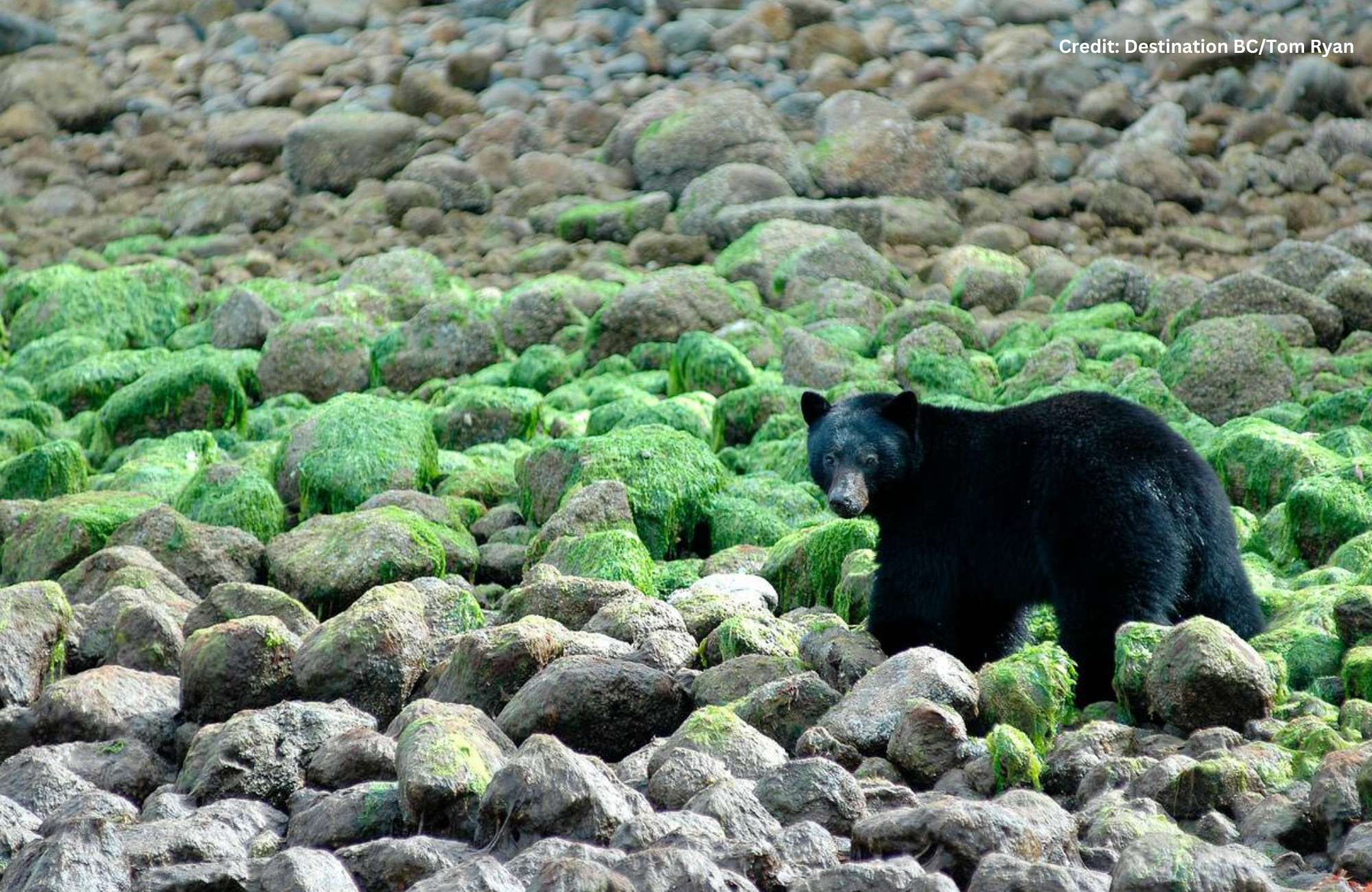
This is a good place to combine classic big mammals with smaller coastal life. You may see elk grazing in river bottoms, black bears working berry slopes, and river otters slipping through quiet side channels. At low tide, the beaches turn into outdoor aquariums, with sea stars, crabs, anemones, and small fish filling the rock pools.
If you want to plan around seasons and likely sightings, the National Park Service has a helpful page on wildlife viewing in Olympic National Park. For a deeper look at what lives here, the official list of animals in Olympic National Park is surprisingly fun to browse, especially if you like to tick off species. Local guides on Olympic wildlife watching trips can also give you a sense of which valleys or beaches are best at different times of year.
Spring and autumn feel particularly active, although summer brings easier driving and hiking. Around bears, keep food locked away, give them plenty of space, and stay in your car if one wanders near the road. It is their home, you are the visitor.

San Juan Islands (Washington): Orcas, seals, and sea birds
North of Olympic, scattered across the Salish Sea, the San Juan Islands feel like little stepping stones for wildlife. Ferries glide between forested shores, and it is hard not to keep one eye on the water the whole time.
This is classic orca country. From boat decks and headlands you may see orcas hunting, humpback whales breaching in the distance, and harbour seals basking on tide-washed rocks. Porpoises roll by almost casually. Overhead, bald eagles watch from fir trees, and in some seasons you might spot puffins and other seabirds darting low across the waves.
What makes the islands special is the combination of calm waters and a long whale season. It gives you a decent chance of a sighting without feeling rushed. When you pick a tour, look for operators who talk clearly about distance rules and who cut their engines or change course if animals come too close. The best days out on the water are calm, quiet, and respectful.
Rocky Mountains and Canadian Rockies: Big mammals and mountain scenery
The Rockies run like a spine through the continent, from the American Southwest up into Canada, and they feel made for big animals. Long valleys, high passes, and wide meadows give elk, moose, and bighorn sheep room to move, while forests and slopes shelter bears.
For a wildlife lover, this region can be almost too generous. You might spot elk from your lodge balcony, watch a line of bison cross a steaming river, then see a single wolf padding along a snowy ridge. The trick is to slow down and give each encounter space, rather than racing for the next viewpoint.
Two areas, one in the United States and one in Canada, show off the Rockies at their best.
Yellowstone and Grand Teton (Wyoming): Bison, wolves, and grizzly bears
Yellowstone and nearby Grand Teton are where many people fall in love with wild North America. The parks sit side by side, with open valleys, geothermal basins, rivers, and tall peaks that catch the first and last light of the day.
Yellowstone is one of the few places where you can still see large herds of wild American bison moving across the landscape. In Lamar Valley, if you are patient and have a pair of binoculars, you may also see grey wolves shadowing the herds or crossing distant slopes. Elk, pronghorn, black bears, and grizzly bears add to the cast, along with trumpeter swans on slow stretches of river.
Grand Teton, just to the south, gives you sharper mountain views and frequent wildlife around the Snake River. Moose often favour the marshy edges, and autumn brings bugling elk into low meadows.
For safety, treat your car as a mobile hide. Stay at least the length of a football pitch from bears and wolves, and a generous distance from bison and elk. Dawn and dusk are the best times for movement, and a simple pair of binoculars can completely change your experience.
Banff and Jasper National Parks (Alberta, Canada): Elk, moose, and mountain goats
Across the border, Banff and Jasper feel like the Rockies turned up a notch. The lakes have that famous turquoise colour, the peaks sit close to the roads, and wildlife seems perfectly happy to share the space.
Elk wander through the townsites of Banff and Jasper as if they have right of way, which, in a sense, they do. In the wetlands and river flats, patient watchers may spot moose browsing in the shallows. Along some highways, black and grizzly bears feed on summer berries, so it is common to see a quiet line of cars pulled to the side.
Higher up, bighorn sheep and mountain goats cling to rocky slopes and road cuttings, sometimes posing very neatly for photographs. The Icefields Parkway, which links the two parks, offers many chances to see several big mammals in a single day without leaving the tarmac.
Practical tips are simple. Stay in your car if a bear is near, drive on if an animal seems crowded, and never feed anything, even birds. It keeps the animals wild and you safer.
Alaska, Eastern U.S., Mexico, and the Arctic: Wildlife you rarely see elsewhere
Away from the Rockies and Pacific Northwest, four wider regions offer some of the most memorable wildlife encounters on the continent. They are more spread out on the map, yet each gives you something you will struggle to see anywhere else.
Alaska (Kenai Fjords and Denali): Brown bears, moose, and whales
Alaska feels almost oversized. Long distances, few roads, and a strong sense that the animals are very much in charge. In Kenai Fjords National Park, boat trips carry you past tidewater glaciers while humpback whales bubble feed nearby and orcas patrol the deeper channels. Sea otters float on their backs like sleepy surfers, and puffins dive with neat little splashes.
Inland, Denali National Park is classic bear and caribou territory. On clear days the huge bulk of Denali itself sits above the bus road, while grizzly or brown bears work the slopes below, digging for roots or chasing ground squirrels. Moose browse willow thickets, and Dall sheep rest on high, pale cliffs.
Summer is short but intense, with very long daylight hours that feel perfect for slow, steady wildlife watching. Because many areas are road free, guided buses and tours are often the safest and most practical way to explore.
Everglades National Park (Florida): Alligators, manatees, and wading birds
Head to Florida and the world changes again. The Everglades are a vast subtropical wetland, full of slow water, sawgrass, and small tree islands that rise just enough above the flood.
Here you trade bears for reptiles. American alligators line the banks of canals and ponds, and in some areas you might also see the rarer American crocodile. Nearby coastal waters and rivers can shelter West Indian manatees, those gentle, barrel shaped grazers. Above them all, roseate spoonbills, herons, and egrets give the sky little flashes of pink and white.
Dry season, roughly winter into early spring, often brings easier walking and better wildlife viewing. Boardwalks and boat tours keep you a comfortable distance from the water, but it still pays to treat every shoreline with respect.
Baja California and the Mexican Pacific coast: Grey whales, whale sharks, and sea turtles
Along the Baja California peninsula and the Mexican Pacific coast, the sea feels almost theatrical. In winter, grey whales arrive in sheltered lagoons to calve and rest. From small boats, under strict rules, you can sometimes watch them at very close range as they surface with that steady, ancient grace.
Farther south, places like La Paz offer snorkelling with whale sharks and encounters with sea turtles in clear, warm water. It sounds almost unreal, sharing the sea with animals this large, yet the experience is calm and slow rather than frantic.
Conservation rules are strong in many of these areas, and licensed guides help keep visits controlled and safe for the animals. Choose operators who talk clearly about rules before you even step on the boat.
Canadian Arctic and subarctic (Churchill, Manitoba): Polar bears and northern lights
The Canadian Arctic and subarctic feel like a final chapter, the place where ice meets sky. Churchill, on the shores of Hudson Bay, is famous for polar bears that gather near town in autumn as they wait for the sea ice to form. Special tundra vehicles keep visitors high and safe while bears wander across the frozen ground below.
In summer, the same region hosts large numbers of beluga whales in the river estuaries, and at night, when conditions are right, you may even see the northern lights.
Trips here tend to be expensive and tightly seasonal, but they also feel quietly unforgettable. Travel with experienced, ethical operators, and treat the Arctic as the fragile place it is.
Conclusion: Finding your own wild North America
From dripping Pacific forests to Florida swamps and Arctic ice, the regions in this guide show just how varied north american wildlife can be. You might start with easy roadside viewing in the Rockies, step up to a ferry ride among the San Juan Islands, then, one day, plan that big journey to Alaska or the Arctic.
The key is to match your trip to your comfort level, your budget, and the season, and to give each place enough time for the animals to reveal themselves. Pick one region that speaks to you, read a little more, and sketch out some dates. Wherever you go, keep wildlife welfare and your own safety first, and you will come home with stories that feel far richer than any souvenir.

