

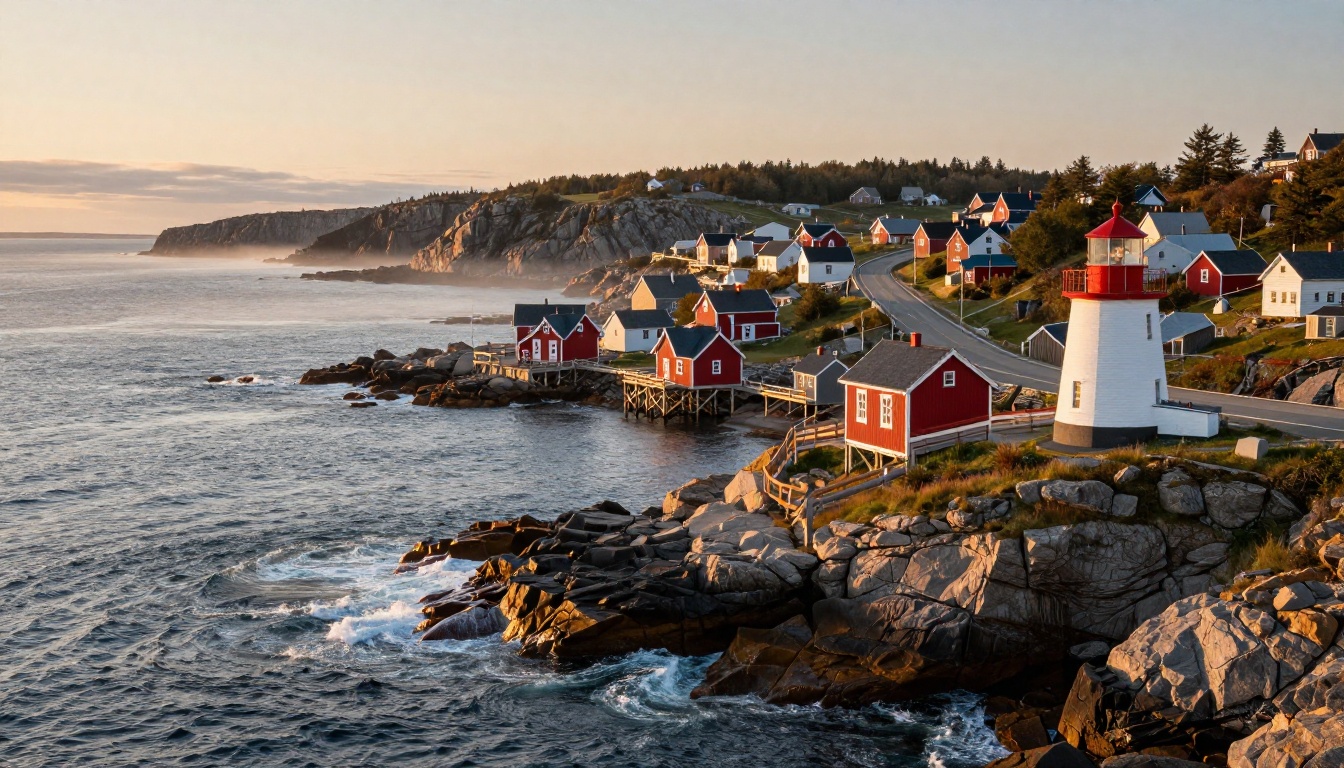
A nova scotia road trip can feel like a greatest-hits album, lighthouses, fishing towns, whale-watching water, and one of Canada’s most famous coastal drives. The trick is not trying to cram in every corner of the province.
This seven-day route keeps the big names, Halifax, Peggy’s Cove, Lunenburg, the Bay of Fundy side, and Cape Breton, but it stays honest about time on the road. You’ll still have a couple of longer driving days. Still, the pace feels enjoyable rather than frantic, which is exactly what most first-time visitors want.
Your 7-day route at a glance
This is the simplest version of the itinerary.
| Day | Route | Approx. driving | Stay |
|---|---|---|---|
| 1 | Arrive in Halifax, explore the city | 30 to 40 mins from airport | Halifax |
| 2 | Halifax to Peggy’s Cove, Mahone Bay, Lunenburg | 2.5 to 3 hrs total | Lunenburg or Mahone Bay |
| 3 | South Shore to Wolfville, via Annapolis Valley | 2.5 to 3.5 hrs | Wolfville |
| 4 | Bay of Fundy stops, then on to Baddeck | 4.5 to 6 hrs | Baddeck |
| 5 | Start the Cabot Trail, east side to Ingonish or Pleasant Bay | 3 to 4 hrs plus stops | Ingonish or Pleasant Bay |
| 6 | Finish the Cabot Trail, return to Baddeck | 3 to 5 hrs plus stops | Baddeck |
| 7 | Baddeck to Halifax | 4 to 5 hrs | Halifax or depart |
If you hate long driving days, drop Wolfville and give Cape Breton one extra night.
That trade-off matters. The full Cabot Trail works best over two days, and Halifax to Baddeck takes around 4 to 5 hours before stops.
Days 1 to 3, Halifax, Peggy’s Cove and the South Shore
Start in Halifax and keep day one light. After your flight, spend 2 to 3 hours around the waterfront, then head up to Citadel Hill if you still have energy. Dinner is easy here, think chowder, oysters, or a lobster roll. Stay downtown or near the harbour so you can walk the evening streets.
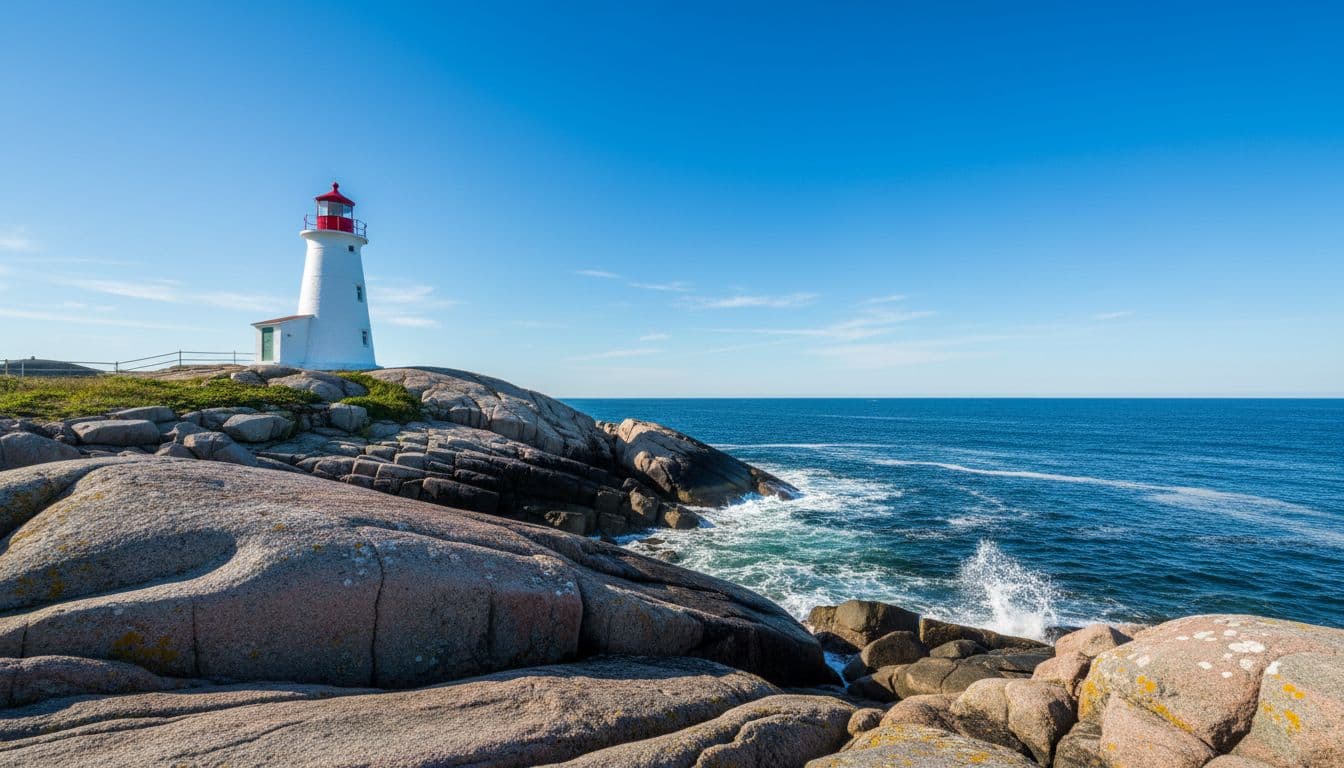
Day two is classic Nova Scotia. Leave Halifax early for Peggy’s Cove, because it’s quieter in the morning and the light is softer too. Give the lighthouse area 45 to 60 minutes. That sounds short, yet it’s enough unless you’re lingering with a camera. Keep well back from the dark, wet rocks, because the surf can be dangerous even on calm-looking days.
From there, roll along the South Shore. Mahone Bay is a good coffee stop, and Lunenburg deserves most of your afternoon. Give it 3 to 4 hours for the waterfront, colourful streets, and a proper lunch. If you like small detours, Blue Rocks is peaceful and close by. Sleep in Lunenburg or Mahone Bay, because both make the day feel unhurried.
On day three, head towards Wolfville through the Annapolis Valley. A stop at Grand-Pré works well if you want history with a quiet setting. Then settle into Wolfville for the night. It’s a smart base for food, wine, and Fundy views. If you want a few extra hotel and dining ideas, this 7-day itinerary with food and hotel ideas is a useful companion.
Days 4 to 7, Bay of Fundy tides and the Cabot Trail
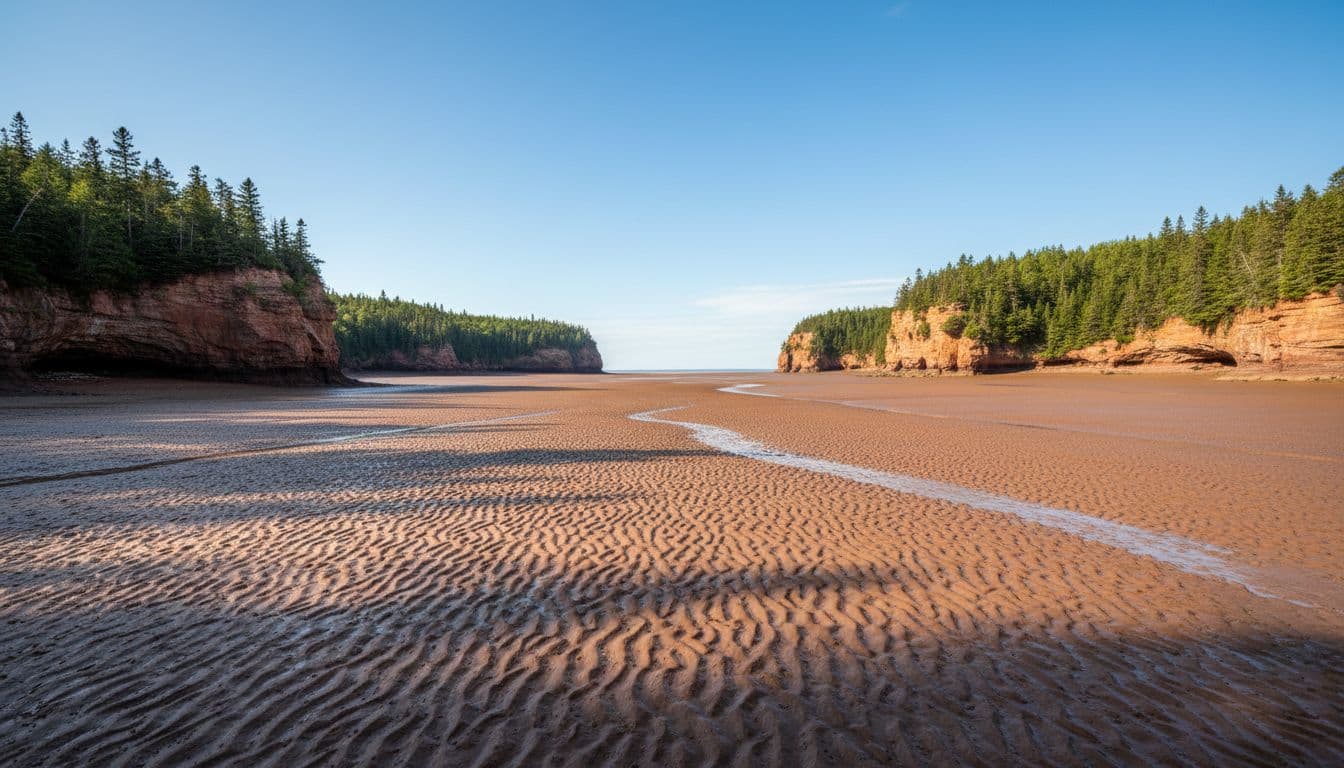
Day four is your longest transfer, so keep it focused. Pick one Bay of Fundy stop, not three. Burntcoat Head or Hall’s Harbour both work well, depending on tide timing. Give your chosen stop 1 to 2 hours. At low tide, the seabed looks almost unreal, like the sea forgot to come back.
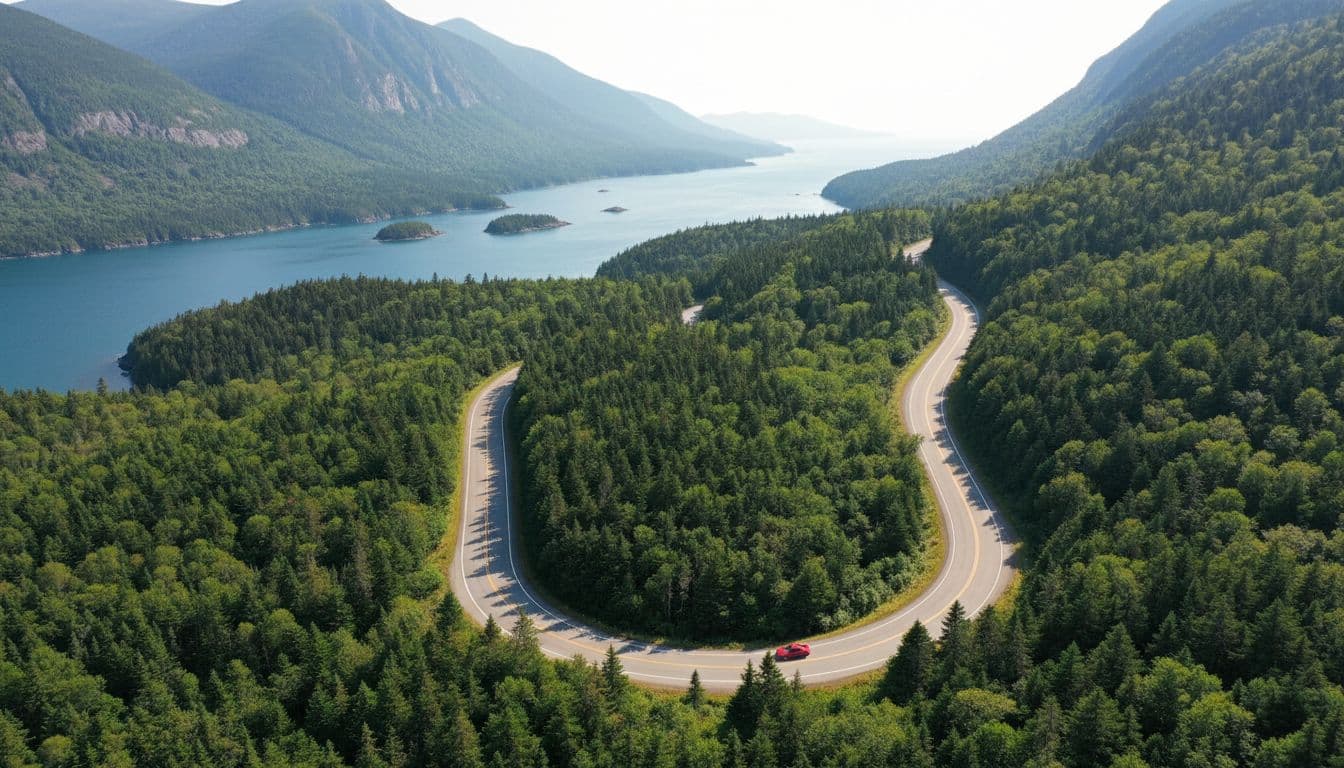
After lunch, drive on to Baddeck. It’s the best gateway for Cape Breton, and the waterfront is lovely for a low-key evening. Book here early in summer, because rooms go fast. Day five is where the road trip really opens up. Follow the eastern side of the Cabot Trail towards Ingonish. If the Englishtown ferry is running for the season, it makes the route smoother, but schedules can change. Plan on at least 1.5 to 2 hours of pure driving from Baddeck to Ingonish, more once you add viewpoints.
If you want one hike, make it Franey or Middle Head, both need around 2 to 3 hours. Then stay in Ingonish or Pleasant Bay. This split night makes the trail feel far more relaxed. For more route notes and stop ideas, these super-detailed Nova Scotia road trip notes are handy.
Day six covers the western side of the Cabot Trail. Don’t miss the Skyline Trail near Chéticamp, which takes about 2 to 3 hours and gives you that wide, wind-blown view everyone hopes for. If you’d rather skip hiking, swap it for a whale-watching trip from Pleasant Bay or Chéticamp in summer. Then loop back to Baddeck for your final Cape Breton night.
On day seven, drive back to Halifax in 4 to 5 hours. Break it up with lunch in New Glasgow or Tatamagouche. If your flight is the same day, keep the schedule simple and leave early.
Seasonal tips that make this itinerary work better
Summer, from June to September, brings the best access, warmer weather, and the most boat trips. Expect roughly 15 to 25°C. It also brings the highest prices. Autumn is gorgeous, especially from mid-September into early October, when the Cabot Trail starts to glow with colour.
Shoulder season can be a sweet spot. Late May and early June usually mean fewer crowds and easier parking. Still, hours, ferry schedules, park access, and seasonal closures can change. Cape Breton Highlands National Park is generally fully accessible from May to October, and the current daily fee is about C$8.50 per adult. Close to your trip, check Parks Canada, local ferry operators, and road updates on Nova Scotia 511.
Fuel up before long Cabot stretches, because stations are less frequent there. Also, keep cash or a card handy for small shops, and don’t count on perfect mobile signal. If you want another take on pacing, this coastal road trip guide offers a useful comparison.
A week in Nova Scotia goes quickly, but this route gives you the best bits without turning every day into a sprint. You get city time, lighthouse views, Fundy tides, and a proper taste of Cape Breton. If there’s one rule to keep, it’s this: leave room for the roadside stop you didn’t plan, because that’s often where the trip becomes memorable.

