

Touching down in Copenhagen for the first time feels a bit like stepping into a design magazine that happens to have excellent pastries. It looks polished, but day-to-day life is relaxed and human. This Copenhagen travel guide is here to make that first visit feel straightforward, not stressful.
If you are planning 2 to 4 days, you can see the big sights, get a feel for local neighbourhoods, and still have time to sit by the water with a coffee. Think of this as a calm, chatty friend walking you through the basics, with enough detail that you can land at Kastrup and know what to do next.
By the end, you will know where to stay, how to get around, what things roughly cost, and how to weave in both famous spots and more local corners.
First Impressions: Nyhavn, Harbours and Hygge

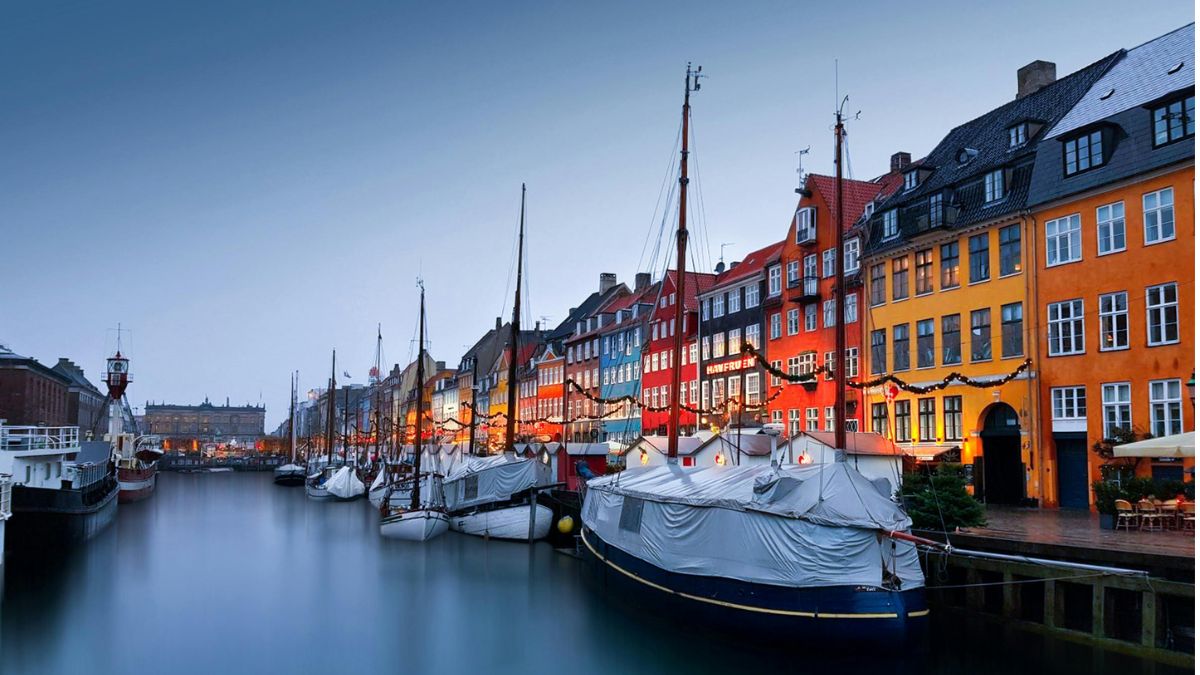
Photo by Efrem Efre
For most first-timers, Nyhavn is where it clicks. The bright houses, old wooden boats, and slightly chaotic mix of tourists and locals give you a neat snapshot of the city: pretty, well-kept, but not precious.
If you like to pre-plan, you might enjoy cross-checking your ideas with a structured itinerary like this 3-day Copenhagen itinerary for first timers on Bon Traveler. Use it as inspiration, then adjust to your own pace.
Getting from Copenhagen Airport to the City Centre
Copenhagen Airport (Kastrup, code CPH) is one of the easiest in Europe for public transport. You do not need a taxi unless you arrive very late or have lots of luggage.
You have three main options from Terminal 3:
Metro (usually the easiest)
- The metro station sits directly under Terminal 3.
- Trains run roughly every 4 to 6 minutes in the day.
- Get on M2 towards Vanløse. For most visitors, Kongens Nytorv or Nørreport are the key stops.
- The ride into the centre is around 15 minutes.
You can check practical details on the official airport metro page from Copenhagen Airport.
Train to Central Station
- Trains run from the station just by Terminal 3 to Copenhagen Central (København H).
- It suits you if you are staying near Tivoli, Vesterbro, or the Meatpacking District.
- You can read a clear overview of the different train options on VisitCopenhagen’s airport guide.
Bus
- Slower, but handy at night or to reach some suburbs.
- Use the DOT Tickets app or station machines for tickets.
For all three, you will be in the same ticket system. That is helpful later when you start using city passes.
Transport & Passes in 2025: What To Buy And When
Public transport in Copenhagen is clean, frequent, and easy to understand once you know your options.
Here is the simple version for 2025:
- City Pass (zones 1–4): Good for most tourists.
- Covers airport, metro, buses, and S-trains in the central area.
- Valid for 24, 48, 72, 96, or 120 hours.
- Best if you plan to move around a lot by public transport.
- You can check details and prices on the official City Pass page from DOT/VisitCopenhagen.
- City Pass Large:
- Same idea, but includes all zones in the Capital Region.
- Useful if you want to go out of town, for example to the coast or smaller towns.
- Copenhagen Card:
- A transport pass and attraction pass in one.
- Includes unlimited public transport across the region and free entry to more than 80 attractions.
- Good value if you want to visit museums, Tivoli Gardens, and castles.
- Have a look at the official Copenhagen Card site to see current prices and what is included.
- Single tickets:
- Fine if you are only hopping on a train once or twice a day.
- You buy them in the DOT Tickets app or at station machines.
For a typical 3-day visit where you are sightseeing every day, a 72-hour City Pass or a 72-hour Copenhagen Card usually works well. If you love museums and castles, the Copenhagen Card tends to win. If you mostly plan to walk and only use the metro a couple of times a day, single tickets or a 24-hour City Pass might be enough.
Where To Stay: Neighbourhoods That Suit First-Timers
Copenhagen is compact, but each area has a clear character. For a first visit, you probably want a place where you can walk to lots of sights, find food easily, and get home at night without a long journey.
Here are the main areas to consider:
Indre By (City Centre)
- Best for: First-time visitors who want everything on the doorstep.
- Feel: Historic streets, churches, Royal palaces, and lots of shops.
- Pros: You can walk to Nyhavn, Strøget, Rosenborg Castle, and many museums.
- Cons: Can be noisier and more expensive.
Nyhavn / around Kongens Nytorv
- Best for: Classic harbour views and easy metro access.
- Feel: Tourist-heavy by the water, calmer one or two streets back.
- Pros: Direct metro from the airport, great base for walking.
- Cons: Restaurants on the canal are pretty and pricey.
Vesterbro
- Best for: Food, bars, and a younger, creative feel.
- Feel: Trendy, a bit gritty in parts, great coffee and dining.
- Pros: Close to Central Station and Tivoli, still walkable to the centre.
- Cons: Some streets are lively late at night.
Nørrebro
- Best for: People who prefer a local, creative vibe.
- Feel: Multicultural, relaxed, full of independent spots and small parks.
- Pros: Great for food and people-watching, easy buses and metro.
- Cons: A little further from the classic sights, though still very reachable.
If you like comparing areas in detail, this clear breakdown of the best areas for first-timers on Bon Traveler’s where to stay guide is handy for planning.
For a first visit of 2 to 4 days, Indre By, Nyhavn, or Vesterbro usually give the best mix of comfort and convenience.
A Simple 3-Day Copenhagen Itinerary For First-Time Visitors
Think of this as a gentle framework, not a military schedule. Copenhagen rewards slow walking and cafés.
Day 1: Icons, Water, And Tivoli Lights
Morning: Nyhavn and the harbour
Start at Nyhavn before it gets too busy. Have a coffee along the canal, then take a short harbour boat tour. It gives you a quick sense of the city’s layout from the water.
Afternoon: Strøget, palaces, and park time
Walk from Kongens Nytorv along Strøget, the main pedestrian street, dipping into side streets and small squares. From there you can swing by Amalienborg Palace or continue up to Rosenborg Castle and the King’s Garden for a breather on the grass.
Evening: Tivoli Gardens
Finish at Tivoli, right next to Central Station. Go for the lights, music, and atmosphere, even if you skip the big rides. If you want more structure for your first day, this one-day guide to the main sights on Jared’s Detours fits neatly with this outline.
Day 2: Neighbourhoods, Food Markets, And Lakes
Morning: Torvehallerne food market
Head to Torvehallerne, the glass food halls near Nørreport. This is perfect if you like to try different bites without committing to a full sit-down meal. For a closer look at the stalls and what to try, the Torvehallerne guide from VisitCopenhagen is a helpful reference.
Try smørrebrød (open sandwiches), local pastries, or simple Danish porridge. It is an easy place to order even if you are shy about new food.
Afternoon: The Lakes and Nørrebro
From Torvehallerne, stroll along The Lakes, watching locals walk dogs and cycle to work. Continue into Nørrebro for independent shops, small galleries, and relaxed cafés. Superkilen Park, with its bold design and colours, is worth the detour if you like urban design.
Evening: Dinner in Vesterbro or Meatpacking District
Take the train or a walk to Vesterbro. The old Meatpacking District is full of casual restaurants and bars, many with outdoor seating when the weather allows.
Day 3: Bikes, Design, And The Water
Morning: Bike or walk around the harbour
If you feel ready, rent a bike through Bycyklen and follow the harbour front. It is a pleasant way to see the Opera House from across the water, the Little Mermaid, and some quieter stretches of the city.
If you prefer to stay on foot, pick a chunk, like Nyhavn to the Little Mermaid, and wander along the promenade.
Afternoon: Design and museums
Spend the afternoon in one or two key spots, such as the Danish Architecture Centre or Designmuseum Danmark (check current opening times). If you have a Copenhagen Card, this is where it earns its keep.
Evening: Relaxed last dinner
End with a simple dinner near your hotel, or a takeaway enjoyed by the water if the weather plays along.
If you want a more detailed breakdown for 2 full days, this 2-day Copenhagen itinerary for first timers from Discover Over There works well alongside the outline above.
Biking In Copenhagen: Safe, Calm And Very Local
Copenhagen’s bike lanes look busy, but they are quite orderly once you know the basics. The city’s shared bike system, Bycyklen, lets you rent a bike through an app, pick it up at a docking station, and pay by the hour.
A few simple rules make things smoother:
- Stay in the bike lane, not on the pavement or road.
- Keep to the right, overtake on the left.
- Use hand signals when you turn or stop. Locals often raise a hand to show they are slowing down.
- Avoid sudden stops in the middle of the lane for photos.
If you feel nervous, start at a quieter time of day, or use a bike only for simple trips along the harbour paths.
Easy Local Food For First-Time Visitors
You do not need to book a Michelin restaurant to eat well in Copenhagen, though you certainly can if you wish.
For a first visit, aim for:
- Torvehallerne for grazing and tasting lots of small things.
- Casual smørrebrød cafés in the centre or Nørrebro.
- Bakeries for cinnamon buns (kanelsnegle) and cardamom buns.
- Street food halls like Reffen in summer for a mix of cuisines, music, and harbour views.
Prices in Copenhagen are on the higher side. A coffee is usually budget to mid-range, street food and casual meals sit in the mid-range bracket, sit-down dinners with drinks can feel expensive. Planning one “special” meal and balancing it with market food and picnics is a good approach.
Final Thoughts: Your Copenhagen Trip, Your Pace
Copenhagen works well for planners and wanderers alike. You can follow a detailed Copenhagen travel guide, such as a 3-day plan filled with castles and museums, or you can keep it to a few anchors like Nyhavn, Tivoli, and Torvehallerne, then fill the gaps with slow walks and café stops.
The city is compact, safe, and easy to move around. With a simple pass on your phone, a rough idea of neighbourhoods, and a short list of must-sees, you are already most of the way there. Let yourself enjoy the small moments too, like watching cyclists glide past while you drink your coffee. That quiet, everyday side of Copenhagen is part of the city’s real magic.

