

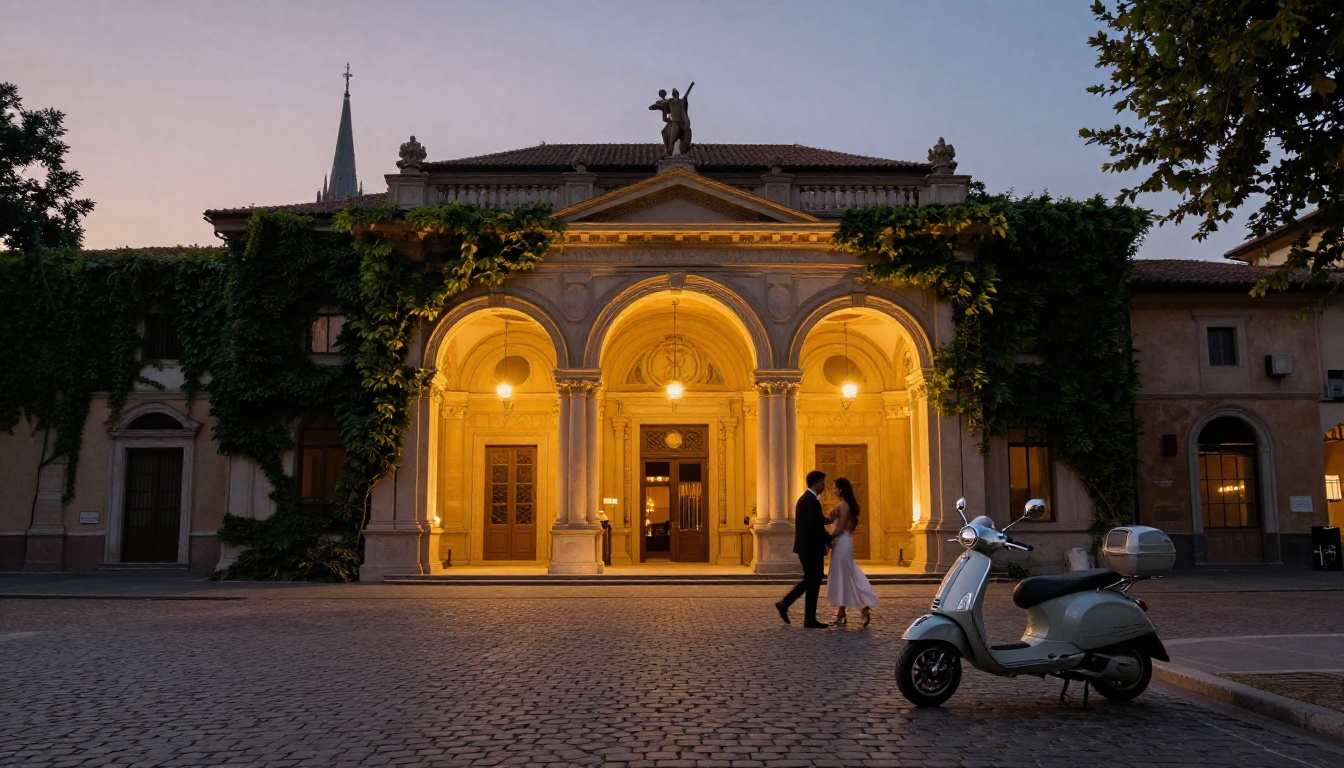
There’s a special kind of shiver in hearing opera in Italy, where the art form grew from courtly experiment into a national obsession. The voices feel bigger, the theatres feel older, and even a simple pre-show drink can seem charged with drama.
If you’re planning an opera-focused trip, Italy makes it easy to mix great performances with food, history, and handsome train journeys. A little planning helps, though, especially with dates, tickets, and theatre etiquette.
Start with the cities that suit your taste, then build the rest of the holiday around the music.
Start with the Italian cities every opera fan should know
Italy has no shortage of opera stops, but some cities work better than others for a first trip. A good itinerary balances famous theatres with places that still feel lived in, not staged for visitors.
Milan for La Scala and a classic grand opera night
Milan is the obvious starting point, and for good reason. Teatro alla Scala is one of the best-known opera houses in the world, and the name still carries a quiet charge. Even from the square outside, it feels like a place where reputations are made.
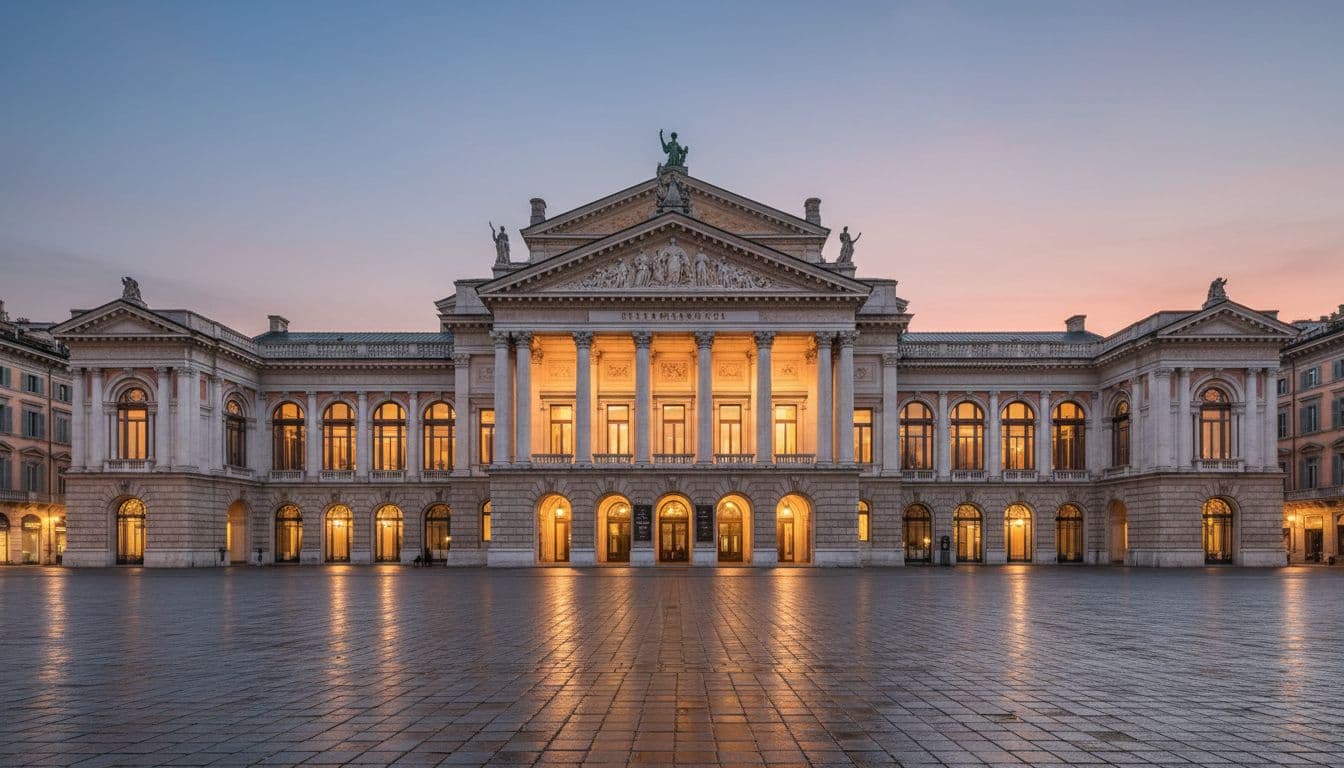
Inside, the house is elegant rather than flashy, and that restraint is part of its charm. The attached museum is also worth your time because it adds context to the evening. You’ll see costumes, portraits, instruments, and material linked to the singers and composers who shaped opera history.
Milan suits travellers who want prestige without fuss. It’s easy to reach by rail, the city is compact enough for a short stay, and the wider cultural scene is strong. You can spend the afternoon among art and design, pause for aperitivo, then step into a theatre that has set the standard for generations.
Verona for open-air opera in a Roman arena
Verona offers something quite different. Instead of velvet boxes and gilded ceilings, you get a Roman amphitheatre under the night sky. The Verona Arena turns opera into spectacle on a grand scale, and that scale matters the moment you take your seat.
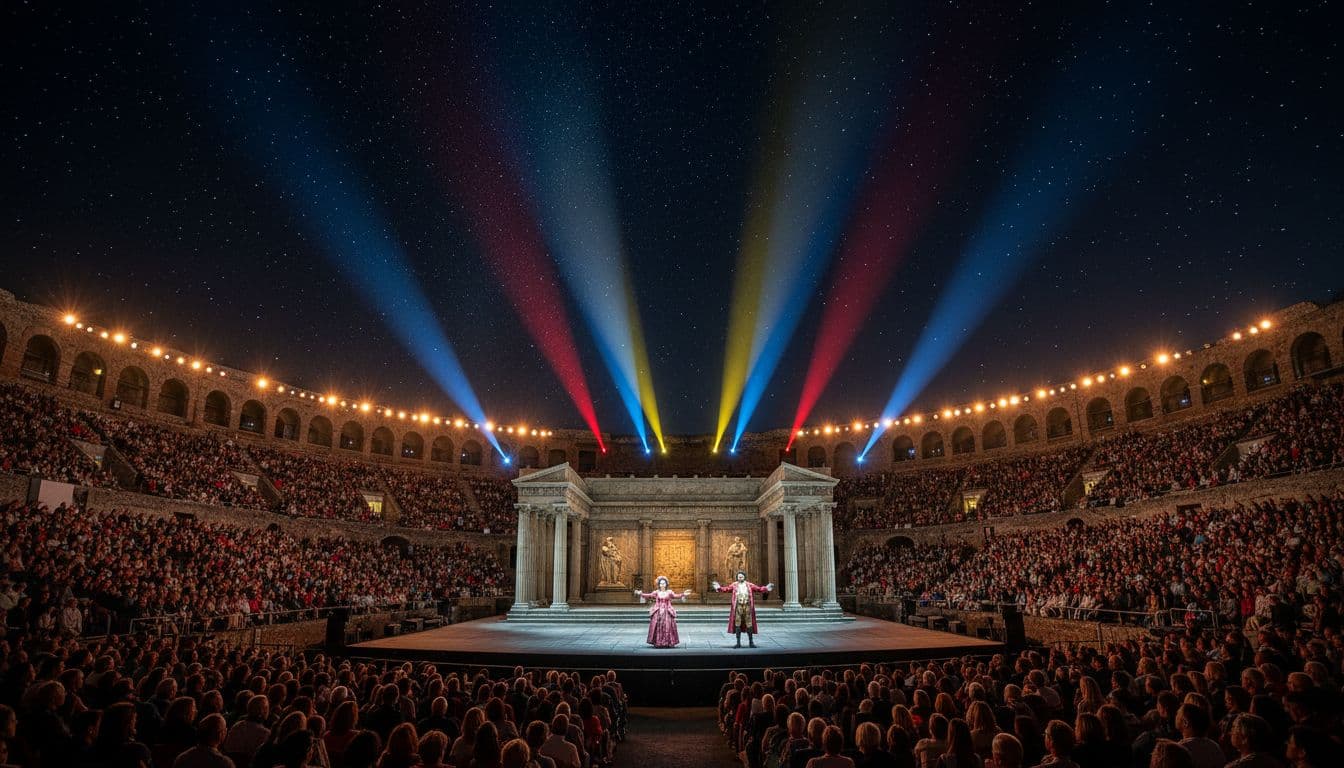
Summer performances here feel more like shared ritual than formal night out. The open air changes the mood, and the big staging suits crowd-pleasing works such as Aida and Carmen. Even people new to opera often warm to Verona quickly because the setting does part of the storytelling.
For couples, it’s hard to beat. The city itself is walkable, handsome, and easy on the eye. A slow dinner, a riverside stroll, and an arena performance can turn into one of those travel memories that sticks for years.
Venice, Naples and Parma for a deeper opera journey
After Milan and Verona, a second layer of opera Italy opens up. Venice, Naples, and Parma each bring a different note, and together they make a richer itinerary.
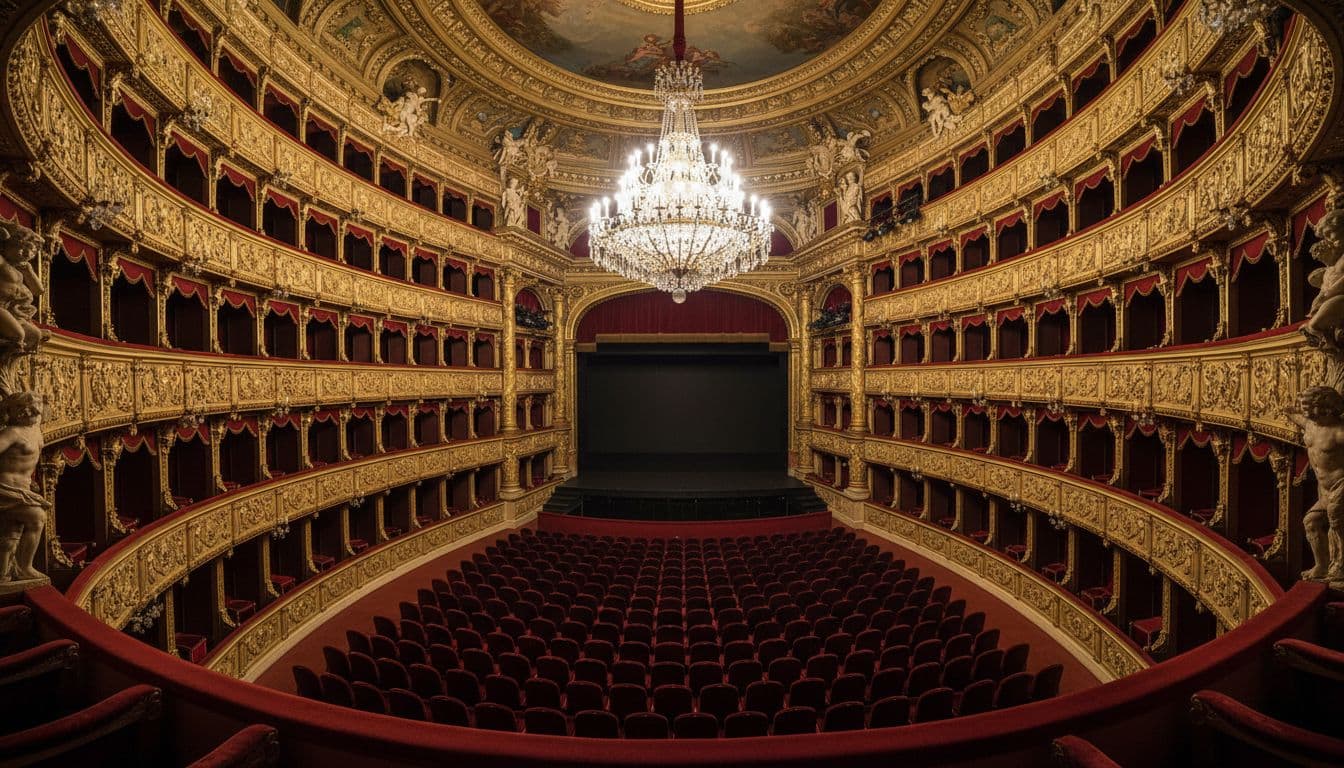
Venice gives you Teatro La Fenice, a theatre with a dramatic story of destruction and rebirth. Its interior is almost absurdly beautiful, like stepping inside a jewel box. Naples, by contrast, has Teatro di San Carlo, one of Europe’s great historic houses, with a long tradition and a city around it that feels bold, noisy, and full of appetite.
Then there’s Parma, which rewards anyone with a soft spot for Verdi. The city is closely tied to the composer, and that link gives the place a sense of purpose. Parma feels less showy than Milan and less theatrical than Venice, yet that’s exactly why opera fans like it. It lets you sink into the subject, not simply tick off a famous venue.
If you want one headline theatre and one more personal stop, pair Milan with Parma or Venice.
Choose the best time to visit for performances, festivals and easier planning
Timing shapes the whole trip. Some travellers want a big summer night in the open air, while others prefer a winter city break with an indoor performance and fewer tourists by day.
This quick guide makes the choice easier:
| Season | Best for | Main upside | Main drawback |
|---|---|---|---|
| Summer | Verona Arena and festival energy | Long evenings, outdoor spectacle | Hot weather, popular dates sell fast |
| Autumn | City breaks and theatre season | Mild weather, good cultural mix | Some schedules start later in the season |
| Winter | Major houses and festive trips | Strong indoor programmes, cosy atmosphere | Shorter days, holiday dates book quickly |
| Spring | Balanced opera travel | Pleasant weather, easier sightseeing | Easter periods can be busy |
The best season depends less on budget than on the kind of night you want.
Summer is best for big outdoor spectacles
If your dream is opera under the stars, summer wins. Verona is the main draw, and the atmosphere is half performance, half festival. Streets stay lively late, dinners stretch out, and the whole evening feels a touch cinematic.
That said, summer needs earlier planning. The most popular titles and weekend dates go first, especially in July and August. Heat also matters. Even when the performance starts late, the day can be warm, so light layers and water help.
Autumn to spring brings opera season in historic theatres
For classic theatre-going, autumn through spring is often better. Many major houses run their main seasons during these months, so you’ll find a broader range of productions inside historic venues.
Cooler weather also makes city-hopping easier. Milan, Venice, Naples, and Parma all suit shorter cultural breaks, and daytime sightseeing is more comfortable than in midsummer. Crowds don’t disappear, of course, but some destinations feel more manageable outside the hottest months.
Know how to book tickets and avoid common mistakes
Opera booking can look intimidating at first glance. In practice, it’s much simpler once you know what matters most, and what doesn’t.
Where to buy official opera tickets in Italy
Start with the official website of the opera house. That’s usually the safest place for current schedules, seat maps, and performance notes. If a date is sold out, trusted ticket partners can help, but official channels should come first.
Popular performances vanish fastest. Opening nights, holiday dates, and famous titles tend to go early, especially at La Scala and the Verona Arena. Because of that, it’s smart to decide your cities first, then book the performance before locking in the rest of the plan.
The biggest booking mistake is planning flights and hotels first, then finding the opera you wanted has sold out.
How seating, dress codes and surtitles affect your night
Not every expensive seat is automatically the best seat. Stalls place you close to the action, which some people love. Boxes add atmosphere and a sense of occasion. Higher seats often cost less and can still offer strong sound, especially in traditional theatres built for the human voice rather than amplification.
Dress codes are less severe than many visitors fear. You don’t need ballgowns or black tie for most standard performances. Still, smart clothing is the safe choice, especially in Milan. Think polished rather than stiff. Trainers, beachwear, and sloppy travel clothes can feel out of place.
Surtitles matter too. They’re the small translated lines shown during the performance, and they can make a huge difference if you don’t know the libretto. Check in advance whether the theatre offers Italian-only text or added English support. That small detail can change the whole evening from baffling to brilliant.
Build an Italy trip around opera without missing the local culture
A good opera holiday shouldn’t feel like a string of late nights and hotel check-ins. Italy works best when the performance sits inside a fuller day, with room for food, streets, art, and a little aimless wandering.
Plan easy rail routes between Italy’s top opera cities
One of Italy’s strengths is how well its main cities link by train. You can build a neat route without needing a car, which keeps things simple if you’re staying in historic centres.
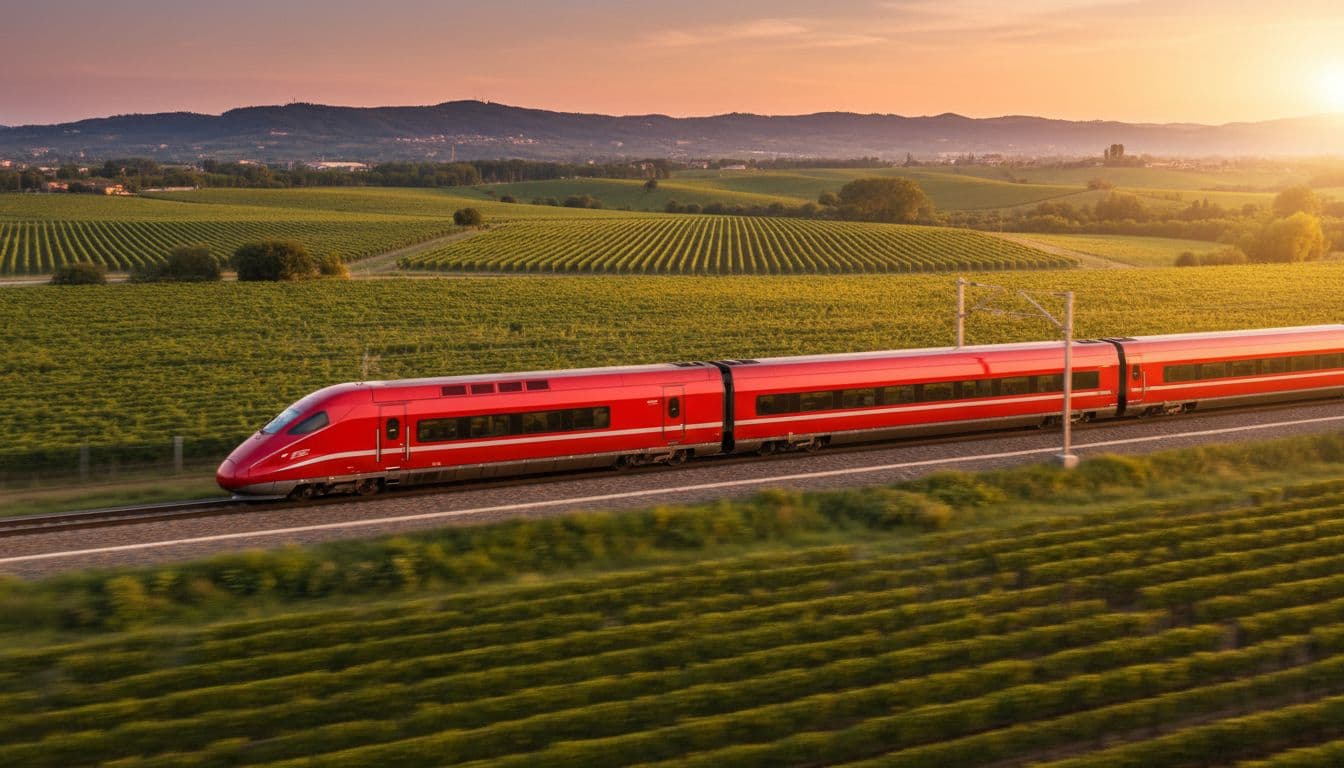
A classic first route is Milan, Verona, Venice. It’s smooth, scenic, and easy to pace over a week. Another strong option is Bologna, Parma, Milan, which suits travellers who want less fanfare and more musical depth.
Regional detours can still make a self-drive trip appealing, especially if you want country hotels or Verdi-linked places outside the main rail spine. For most opera breaks, though, trains are the calm, practical choice.
Pair each opera stop with food, history and daytime sights
The best opera trips keep the music in conversation with the city around it. In Milan, that might mean an afternoon museum visit followed by aperitivo near the theatre. In Venice, it could be a canal-side evening before a performance at La Fenice. Parma invites slower pleasures, with Verdi history, local markets, and food that deserves its own applause.
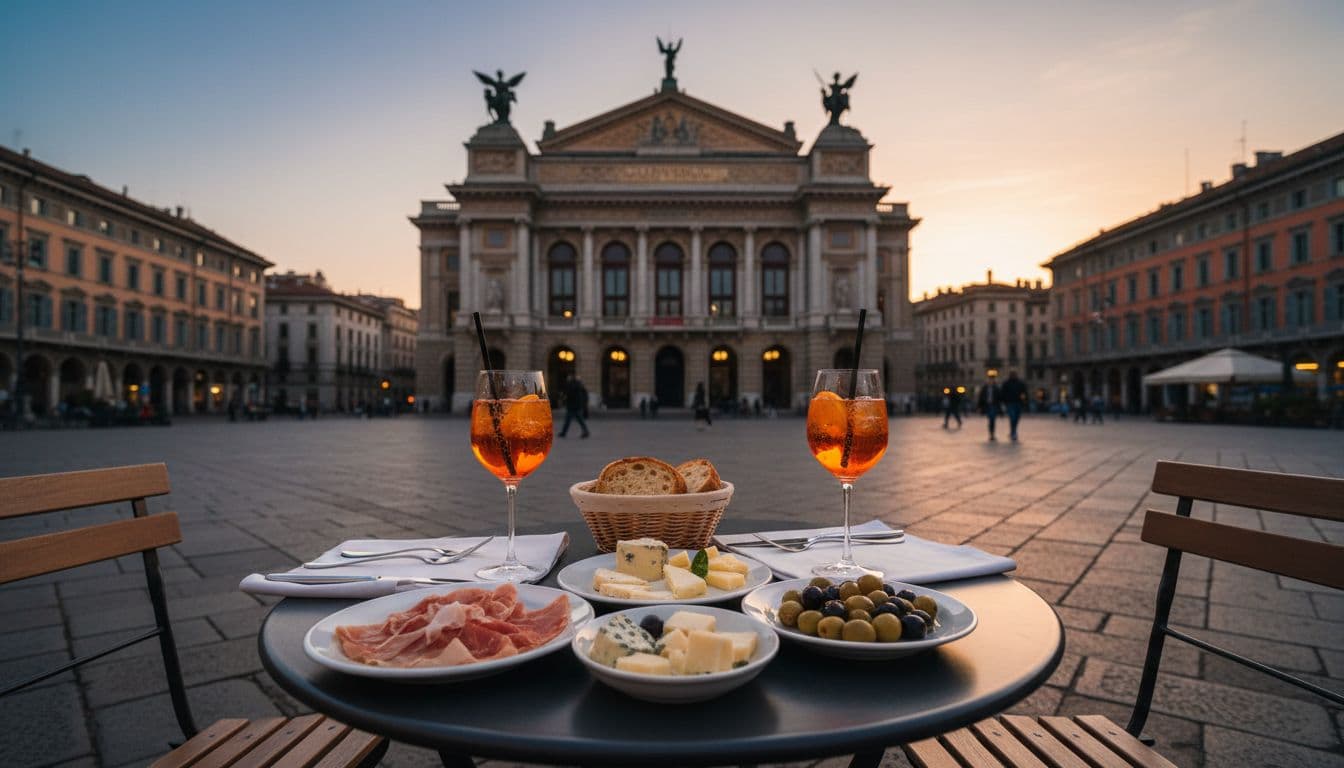
Even small rituals add to the mood. A coffee in a historic café, a quiet church with a composer link, or a market lunch before an evening show can make the trip feel whole. Opera doesn’t need to sit apart from ordinary travel pleasures. In Italy, it rarely does.
That’s the real joy of it. The theatre may be the reason you go, but the city wraps around the night like the overture before the curtain rises.
Italy gives opera lovers something rare, a chance to hear great music in places where it still feels woven into daily life. Whether you choose La Scala’s polish, Verona’s open sky, or Parma’s Verdi roots, the right trip is the one you can enjoy at a comfortable pace.
If you’re new to opera travel, start with one or two cities, not five. Book the key performance early, leave room for long lunches and slow walks, and let the wider culture carry the rest.
That’s when Italy for opera lovers stops being a theme and starts feeling like a holiday you’ll want to repeat.

