

Ever walked into a packed viewpoint, squeezed your way through selfie sticks, then thought, there must be a quieter way to do this? The big hitters get all the hype, but some of the most memorable trips happen in places where you can actually hear the wind in the trees.
This is where underrated national parks come in. They have grand views, proper trails, real wildlife, and, best of all, space to breathe. You still get the sense of scale and drama, just without the coach loads.
If you are planning a nature‑heavy road trip and want to skip the queues, these lesser known parks are a good place to start. Think huge skies, empty trails, and that gentle feeling that you have discovered somewhere just before everyone else does.
Why underrated national parks are worth your time
Quiet parks give you a different kind of trip. You notice small details, like the sound of your boots on gravel or the way light moves across a ridge during one long afternoon.
They also suit flexible, independent travellers. Campsites are easier to book, rangers have more time to chat, and viewpoints are not full of parked cars. You can compare your ideas with other hikers by browsing a wider list of underrated national parks in America, then shape a route that fits your time and energy.
Below are five parks that rarely make the headline lists but stay with you for years.

Great Basin National Park, Nevada: Stars, caves, and ancient trees
Great Basin feels like it should be famous. It has 4,000 metre peaks, ice‑cold alpine lakes, and some of the darkest skies in the United States, yet many people blast past on the highway and never stop.
The first time I arrived, it felt almost odd to have such views with so few people around.
What to do
- Walk the Bristlecone Trail, an easy to moderate 4.5 km loop that takes you to gnarled, ancient bristlecone pines.
- If you are up for it, hike towards Wheeler Peak, or just visit the lake below it for a shorter day.
- Book a guided tour in Lehman Caves for limestone formations and that strange quiet you only get underground.
Practical tips
- Nearest hubs: about 4.5 hours from Salt Lake City or Las Vegas by car.
- Best season: late June to September for snow‑free trails, September for cooler days and autumn colour.
- Nights are cold, even in summer, so pack warm layers.
- This is big mountain country, so watch the forecast and turn back if storms build.
For more low‑key ideas, the off‑the‑beaten-path national parks guide from My Itchy Travel Feet is a handy extra read.
North Cascades National Park, Washington: Alpine drama without the crowds
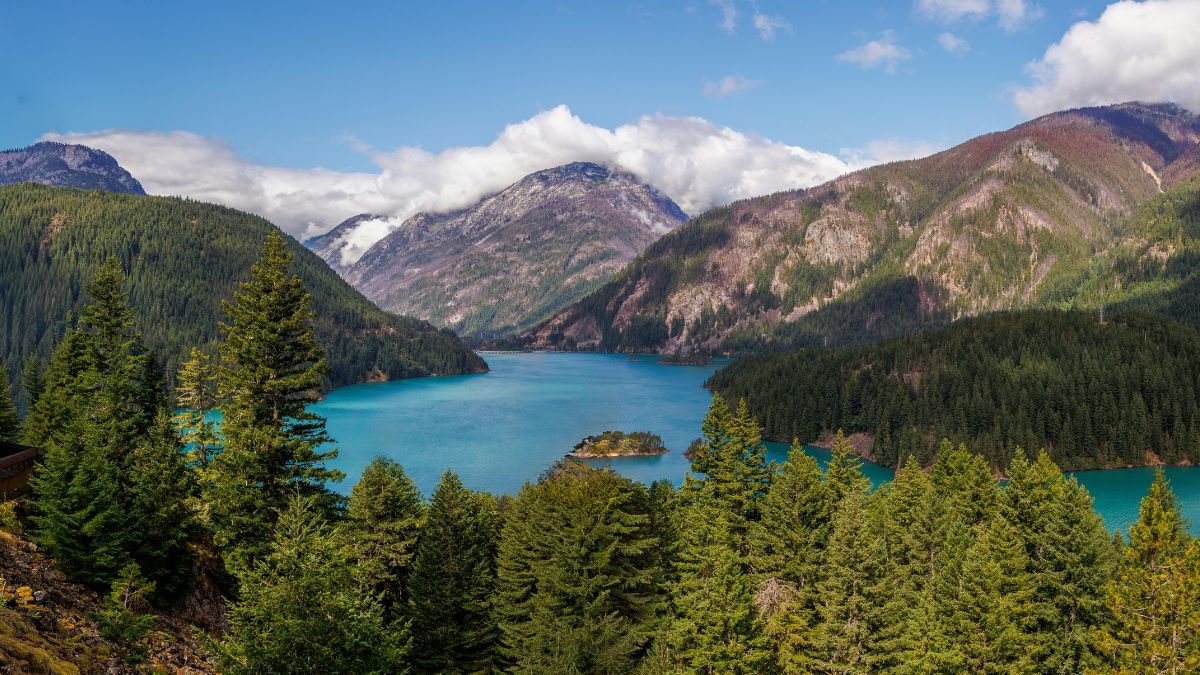
If you like sharp peaks and turquoise water, North Cascades feels like a painting come to life. It sits only a few hours from Seattle, but visitor numbers are tiny compared with the better known parks.
The main road, Highway 20, threads between deep valleys and jade green reservoirs. Every corner seems to hide another ridge.
Key trails
- Maple Pass Loop, about 11 km and moderately hard, gives a classic view of ridges and lakes. In autumn, the larches turn gold and the hills glow.
- Thunder Knob is shorter and easier, with good views over Diablo Lake for less effort.
- If you prefer short walks, there are gentle paths to lookouts right off the road.
Practical tips
- Nearest hub: Seattle, then around 2.5 to 3 hours by car to the main trailheads.
- Best season: July to early October. Snow hangs on late at higher points.
- Check trail conditions and snow reports before hiking, as even in early summer some routes are still icy.
- Keep food locked away, both for your safety and for the health of bears and smaller wildlife.
Guadalupe Mountains National Park, Texas: Desert peaks and quiet canyons
Guadalupe Mountains feels wild in a way that is hard to fake. The peaks rise out of the desert like a stone ship, and at night the stars look sharp enough to cut.
Crowds are rare here, although the main trail car parks can still fill on autumn weekends.
What to do
- Tackle the Guadalupe Peak Trail if you are fit enough. It is about 13.5 km, steep and rocky, but you stand on the highest point in Texas at the top.
- For something gentler, walk into McKittrick Canyon. In late October and early November, the trees in the canyon turn red and gold, a surprise after so much scrub and rock.
- There are shorter nature trails around the visitor centre if you only have a couple of hours.
Practical tips
- Nearest hub: El Paso, roughly 1.5 to 2 hours away by car.
- Best season: October to April. Summer heat can be fierce and there is very little shade.
- Carry more water than you think you need, a hat, and plenty of sun cream.
- Stay on marked paths, as the terrain is rough and help can be a long way off.
If you want even more remote ideas, this round‑up of the least visited national parks to skip the crowds is a good companion read.
Channel Islands National Park, California: Britain‑style coastal walk, American wild feel
Channel Islands feels like a mini expedition, although it sits just off the busy Southern California coast. You leave the mainland by boat, watch dolphins follow in the wake, then step onto islands with no cars and very few buildings.
It has the sea cliffs and big skies of a coastal walk in Britain, but with sea caves, kelp forests, and tiny island foxes.
What to do
- Take a day trip to Santa Cruz Island. The hike to Potato Harbor is gentle to moderate and gives wide views over pale cliffs and bright blue water.
- Try sea kayaking or snorkelling tours if you like being on (or in) the water.
- Pack a picnic, as services on the islands are very limited.
Practical tips
- Nearest hubs: Los Angeles or Santa Barbara, with boat trips leaving from Ventura or Oxnard.
- Best season: spring for wildflowers, late summer and early autumn for calmer seas.
- Boats can sell out in peak periods, so book ahead.
- Swell and wind can change quickly, so if you are prone to seasickness, bring medication.
For more coastal style trips with fewer people, there are extra ideas in this underrated US national parks bucket list.
Congaree National Park, South Carolina: Cathedral forest on floodplain water
Congaree is the polar opposite of a rocky mountain park. It is flat, humid, and full of life. Tall pines and hardwoods rise out of dark water, and in the right light the whole forest feels like a green cathedral.
It is one of the easiest underrated national parks to visit if you are travelling along the US east coast, and yet many people have never heard of it.
What to do
- Stroll the Boardwalk Loop, an easy 3.5 km walk that keeps your feet dry while you move through old‑growth forest.
- Hire a canoe or kayak and paddle along Cedar Creek for a closer look at the swamp.
- Watch and listen at dusk for barred owls and other birdlife.
Practical tips
- Nearest hub: Columbia, South Carolina, less than an hour away by car.
- Best season: spring and autumn for pleasant temperatures and fewer insects.
- Summer can be hot and mosquito heavy, so bring repellent and light long sleeves.
- Flooding is part of the park’s natural cycle, so always check current conditions before you go.
If you want more quiet park ideas in one place, a guide to underrated national parks in the United States can help you cross‑reference different regions.
Final thoughts: choose quiet, travel slower
Crowds do not vanish completely, even in these quieter corners, but the rhythm changes. You get time to stand still, to really look, and to feel water, rock, and forest as more than a backdrop.
Pick one of these parks, build a few days around it, then treat it as a test of how much you enjoy travelling slower and quieter. Pack good boots, a map, and respect for local rules, and you are already most of the way there.
Most of all, let at least one underrated national park surprise you this year. You may find it shapes how you plan every trip after that.

