
If you are already daydreaming about a big 2026 escape, Argentina deserves a serious look. Long trips feel precious, and you probably want somewhere that feels exciting, different, and still kind to your wallet. That mix is exactly where Argentina travel shines right now.
You get bold variety in one country, from tango-filled streets to glaciers, waterfalls, and high desert plateaus. There is rich culture, long lazy dinners, and wine that somehow tastes even better with the Andes on the horizon. Thanks to the exchange rate, many visitors also find their money goes further here than at home.
Argentina travel in 2026 lets you blend city life, wild nature, and deep-dive foodie experiences in a single trip. If you like journeys that feel big and generous, this is one to start planning early.
Argentina’s landscapes: from tango streets to glaciers and waterfalls
Argentina often feels like several countries tucked into one long slice of land. That is a big part of its pull for a 2026 trip. In two or three weeks you can move from a grand European-style capital to ice-blue glaciers, wine valleys, and jungle paths soaked in spray.
For a wider feel of what each region offers, it is worth browsing the complete guide to Argentina from Lonely Planet. Then you can start shaping it into something that fits your own style.
Buenos Aires: lively capital for culture, cafés, and nightlife
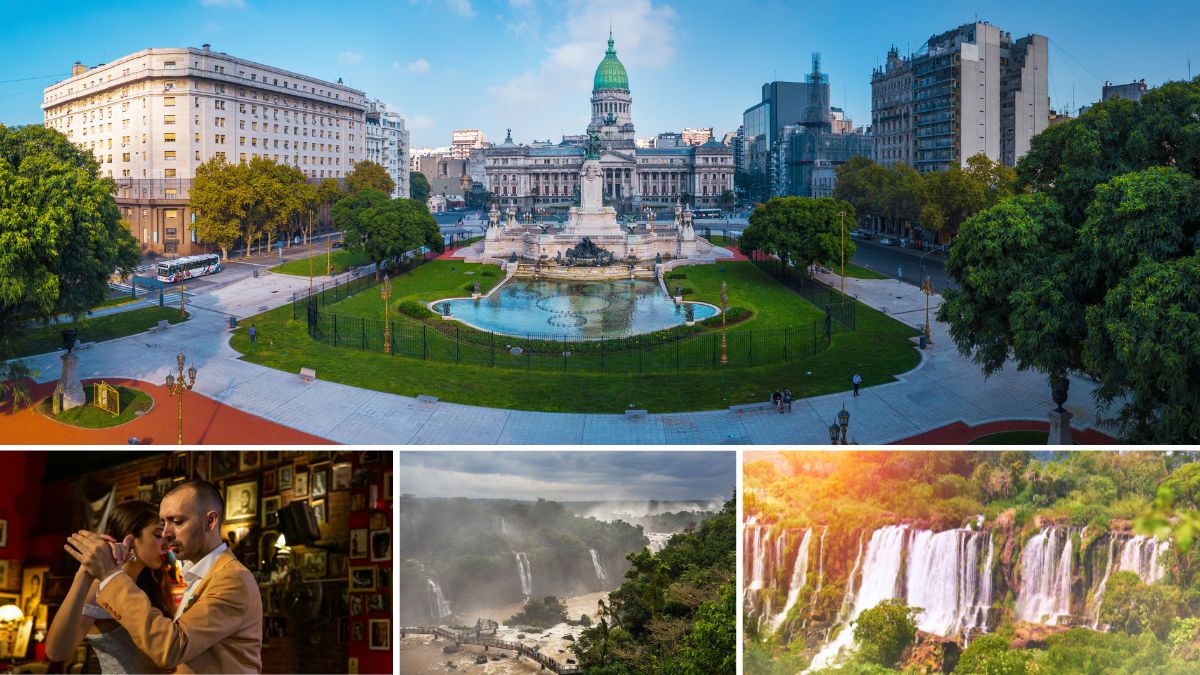
Most international flights land in Buenos Aires, so it is an easy anchor for any plan. The city rewards slow wandering. Palermo has leafy streets, smart boutiques, and bars that fill up late. San Telmo brings cobbles, Sunday antique markets, and tango dancers spinning in the square.
You can watch a polished tango show, or, if you feel brave, try a beginner class in a local studio. Street art tours take you into quieter barrios, where huge murals peel back the city’s past and present. Between it all, café culture keeps you fuelled, with medialunas and tiny glasses of soda water on the side.
Patagonia and the Lakes District: big mountains and wild spaces
Head south and Argentina turns into a wide, wild stage of peaks and ice. Bariloche, in the Lakes District, feels like a mix of Swiss village and Argentine town, with chocolate shops, clear lakes, and hiking trails that start almost from the pavement.
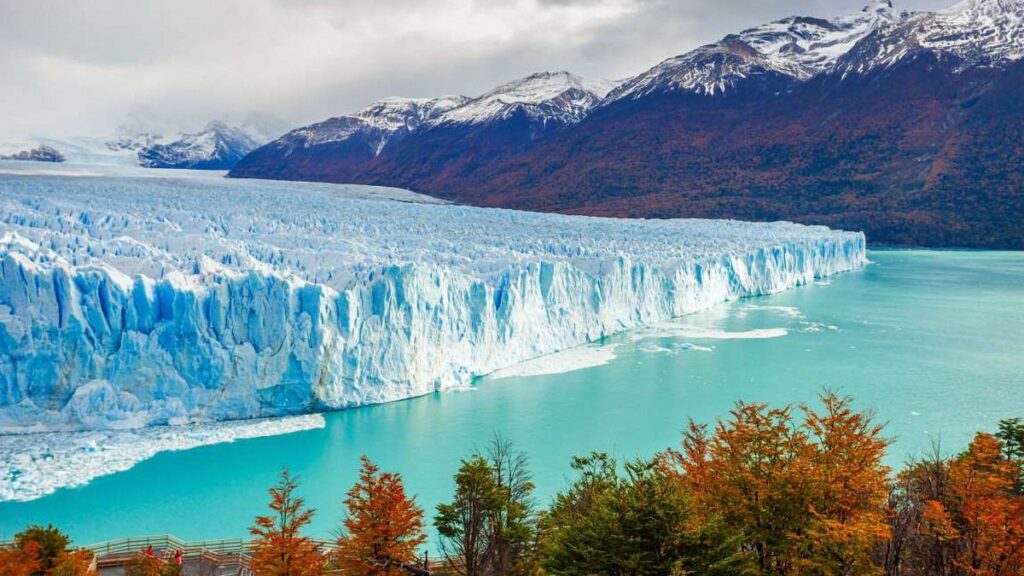
Further south, El Calafate and El Chaltén sit close to massive glaciers and jagged peaks. Walking on the walkways near Perito Moreno Glacier, hearing the ice crack and crash, feels almost unreal. Late November to early March works best for these southern regions in 2026, especially if you are sneaking away from a northern winter and craving long light evenings.
Iguazú Falls and the north: jungle, salt flats, and colourful hills
Iguazú Falls sits right on the border with Brazil and is one of those sights that actually lives up to the hype. Walkways lead you above and below the cascades, and boat trips take you close enough to feel the roar in your chest. It is busy, yes, but worth every step.
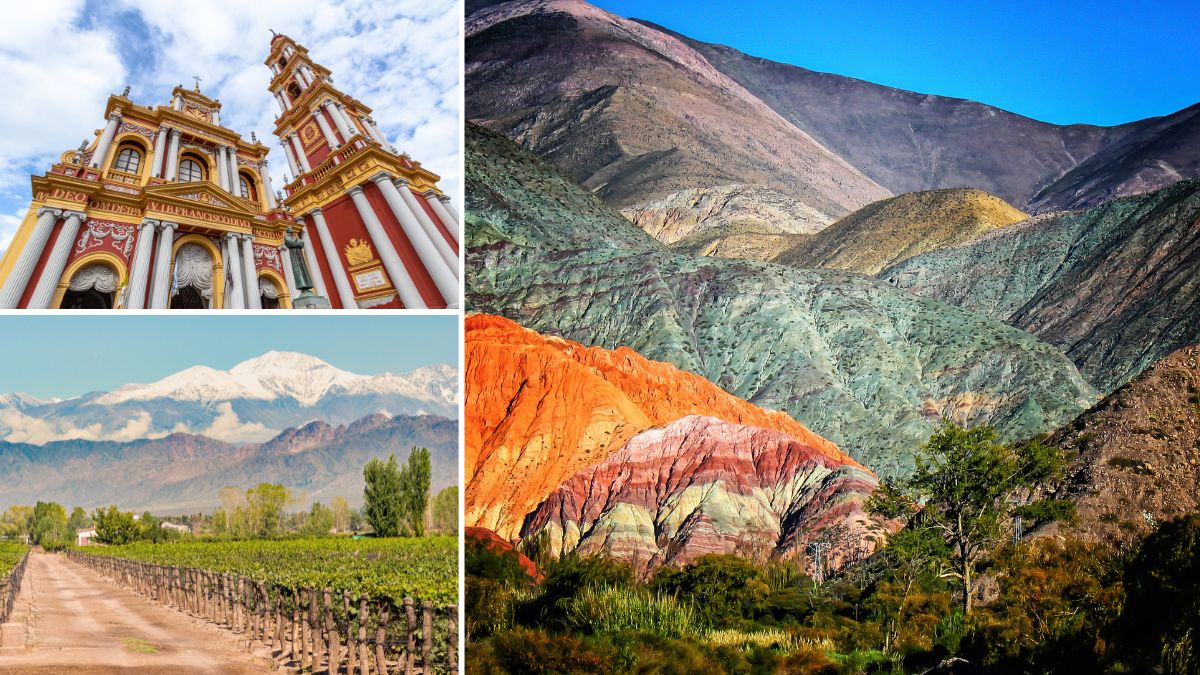
In the northwest, around Salta and Jujuy, the air feels different again. You get high valleys, white salt flats, and hills striped in pink, green, and purple. Little towns hum quietly in the sun, with plazas, churches, and simple grills. Spring and autumn (roughly September to November and March to May) are often the most comfortable times here, when the heat softens and the light is gentle.
Mendoza wine country: vineyards with mountain views
Mendoza is the heart of Malbec country and feels built for slow afternoons. Vineyards stretch out towards the Andes, with tasting rooms, poolside loungers, and long lunches under vines.
You can visit bodegas by bike, by car, or on a small-group tour, moving from crisp whites to deep reds across the day. March brings harvest festivals, parades, and open-air events, so a 2026 visit at that time adds a little extra sparkle if you love wine and food.
Culture, lifestyle, and food: what makes Argentina travel feel unforgettable
The scenery hooks many people, but it is the daily rhythm that tends to stay with you. Argentines take time to talk, argue about football, and linger over coffee in a way that can feel like a gentle reset.
Tango, fútbol, and café culture: everyday life with passion
In Buenos Aires, tango is both performance and social glue. You can watch dancers in grand theatres, or stumble upon couples dancing in a park at sunset. Some nights, neighbourhood milongas open their doors, and even beginners are pulled into the swirl.
Football is another shared heartbeat. You do not have to score tickets to a Boca or River match to feel it. Watching a game in a crowded bar, hearing the songs, and seeing kids in replica shirts racing around the pavement gives you a real sense of place.
Café culture adds a calmer thread. Locals sit for ages over one coffee, talking politics, gossip, and plans. The cities have a European feel in their buildings and boulevards, but with Latin noise and warmth layered on top.
Food and wine: from world-class steak to veggie friendly menus
Argentina is famous for steak and asado, and you will find parrillas on almost every corner. A simple bife with chimichurri, a glass of red, and a plate of chips can feel like a feast.
Street food has its own stars: empanadas packed with beef, cheese, or sweetcorn, and smoky choripán eaten in a park. Italian roots run strong, so you will see pizza, fresh pasta, and helado on many menus.
It is not all meat, though. Big cities like Buenos Aires and Mendoza now have plenty of vegetarian and vegan places, from plant-based grills to creative tasting menus. Mix that with tastings in Mendoza and other wine regions, and you have a very happy side to any Argentina travel plan.
Local rituals: mate, late dinners, and friendly hosts
Some of the best memories come from small habits. Mate, a strong herbal drink shared from a gourd, is one of them. Friends pass it around in parks, on buses, and in living rooms. If someone offers you a sip, it is usually a sign they are happy you are there.
Dinner often starts late, around 9 pm or later, especially in bigger cities. At first it can feel odd, but you soon fall into the rhythm of slow evenings and long chats. Many visitors find locals keen to talk, share tips, and offer help, especially outside the tightest tourist zones.
Why Argentina can be great value in 2026 and how to plan smart
Practical details can make or break a big trip. The good news is that with a little planning, Argentina can feel both rich in experience and kind to your budget.
Value for money: how Argentina’s economy can work in your favour
Argentina has had a bumpy economic ride, with inflation and currency swings. For visitors, that can mean strong value when you use fair and up-to-date exchange options. Eating out, local transport, and even some mid-range hotels often feel cheaper than in much of Europe or North America.
It helps to keep a flexible budget and check exchange rates towards late 2025 and through 2026. A solid guidebook, like this ARGENTINA Travel Guide 2026 on Amazon, can give extra tips on where to save and where to splash out.
Best time to visit Argentina in 2026 by region
Because the country is so long, seasons vary a lot. A simple way to think about it:
- Buenos Aires and Mendoza feel best in spring and autumn, when days are warm and nights are mild.
- Patagonia and Bariloche work well from late November to early March, when trails are clear and days are longer.
- Iguazú Falls, Salta, and Jujuy are more pleasant in spring and autumn, when humidity and heat drop a little.
For a bit more weather detail, you can check overviews like this guide on the best time to visit Argentina in 2025/2026. Then match your 2026 dates to the regions that call you most, instead of trying to see everything at once.
Travel basics for 2026: visas, money, safety, and payments
Many visitors from the UK, EU, US, and Canada can enter Argentina visa free for short tourist stays, often up to 90 days. Rules can change, so always check official government sites before booking.
The currency is the Argentine peso. Cards are widely used in cities, larger shops, and hotels, but it is still wise to carry some cash for markets, kiosks, and small cafés. As in any big city, keep an eye on your bag in crowded spots, use registered taxis or ride apps, and avoid waving your phone around late at night.
Before a 2026 trip, check your own government’s travel advice and any health guidance, especially if you are visiting jungle or high-altitude areas.
Sample 2026 trip ideas: easy ways to build your Argentina itinerary
If you like classic highlights, a 10 to 14 day route linking Buenos Aires, Iguazú Falls, and either Mendoza or Bariloche works well. You get city buzz, a major natural wonder, and either wine country or lakes and mountains.
For a more active escape, you could build a Patagonia-focused adventure around El Calafate, El Chaltén, and Bariloche. Think day hikes, glacier walks, and time by the water, with a few nights in Buenos Aires on either side.
Food and wine fans might pair Buenos Aires with Mendoza, adding vineyard stays, cooking classes, and long lunches. Those keen on something a bit different could head north, with a loop through Salta, Jujuy, and perhaps Iguazú, mixing quiet towns, bright hills, and jungle skies. If you prefer a guided approach, companies like Intrepid Travel’s Argentina tours offer set routes that still keep things small and local.
Conclusion
Argentina travel in 2026 offers a rare mix of epic scenery, late-night culture, and long, generous meals that linger in your memory. You can dance through Buenos Aires, walk under waterfalls, sip Malbec under the Andes, and still feel you are getting strong value for money.
Planning now means you can match the right regions to the right seasons, and shape a route that fits your pace. Save this guide, start sketching your dream itinerary, and maybe peek at flights into Buenos Aires. Your future self, glass of Malbec in hand, might be very glad you did.
